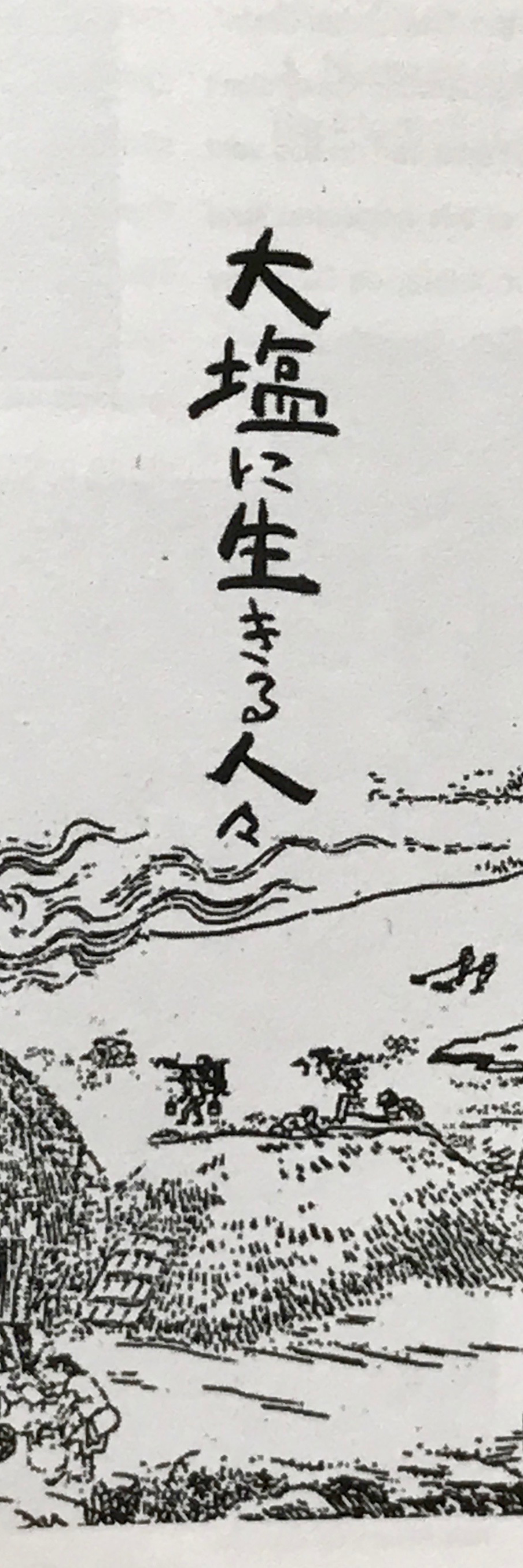
Oshio 大塩的形

1990 1999 2001 2002 2003 2004 2005 2006 2007 2008 2009 2010 2011 2012 2013 2014 2016

Introduction

JDW Basis of Selecting OSHIO:

Basic Inquiry:
Land Development at a Crossroad

Q: CONTINUITY?
Vast Natural Coastal Ecology
Oshio Matogata Villages
Halted: Historic Salt Farming
Local Economy Base

Q: TRANSFORMATION?
Development or Conservation?
Imagining the Next Generation Community

JDW Agenda/Actions:
Envisioning Autonomous Futures
Proposals for Community Form and Conservation

Toshinaga Moriya

“People all have their native place, born of the local earth, raised with the natural surrounds of the mountains and the sea, harboring countless memories from living in this town;

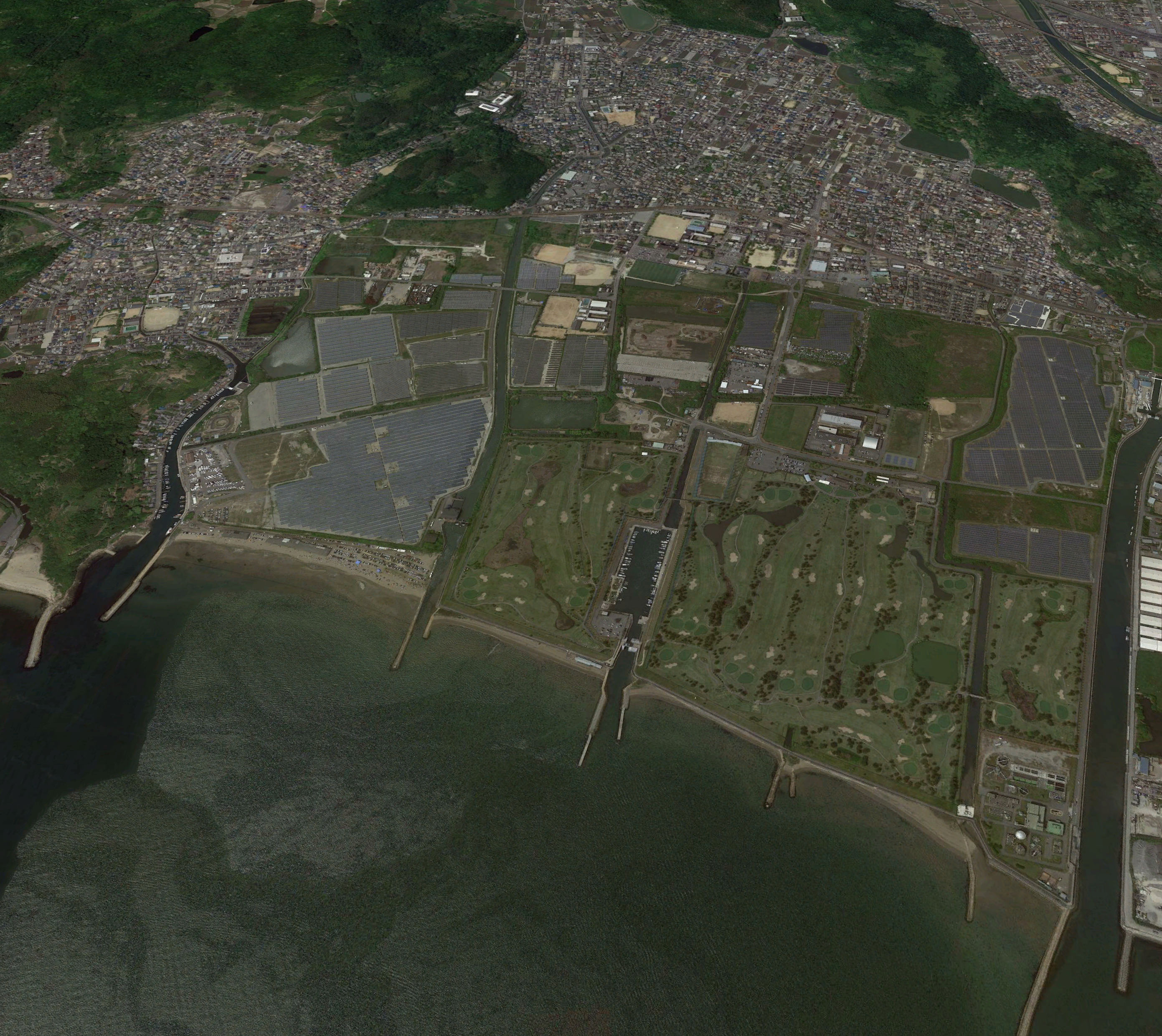
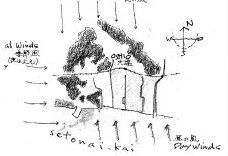
My native land is enclosed by mountains on three sides with the fourth side a sandy coastline reaching deep inland from the shores of the Setonaikai sea;

This region was blessed with dry daytime winds and mild temperatures throughout the year which were ideal conditions for salt-farming, a native industry that has sustained the life and economy of the people of Oshio for generations.”

Toshinaga Moriya, Oshio Resident

Oshio-Matogata: Land Development at a Crossroads

Continuity/Transformation in Architecture and Community Form

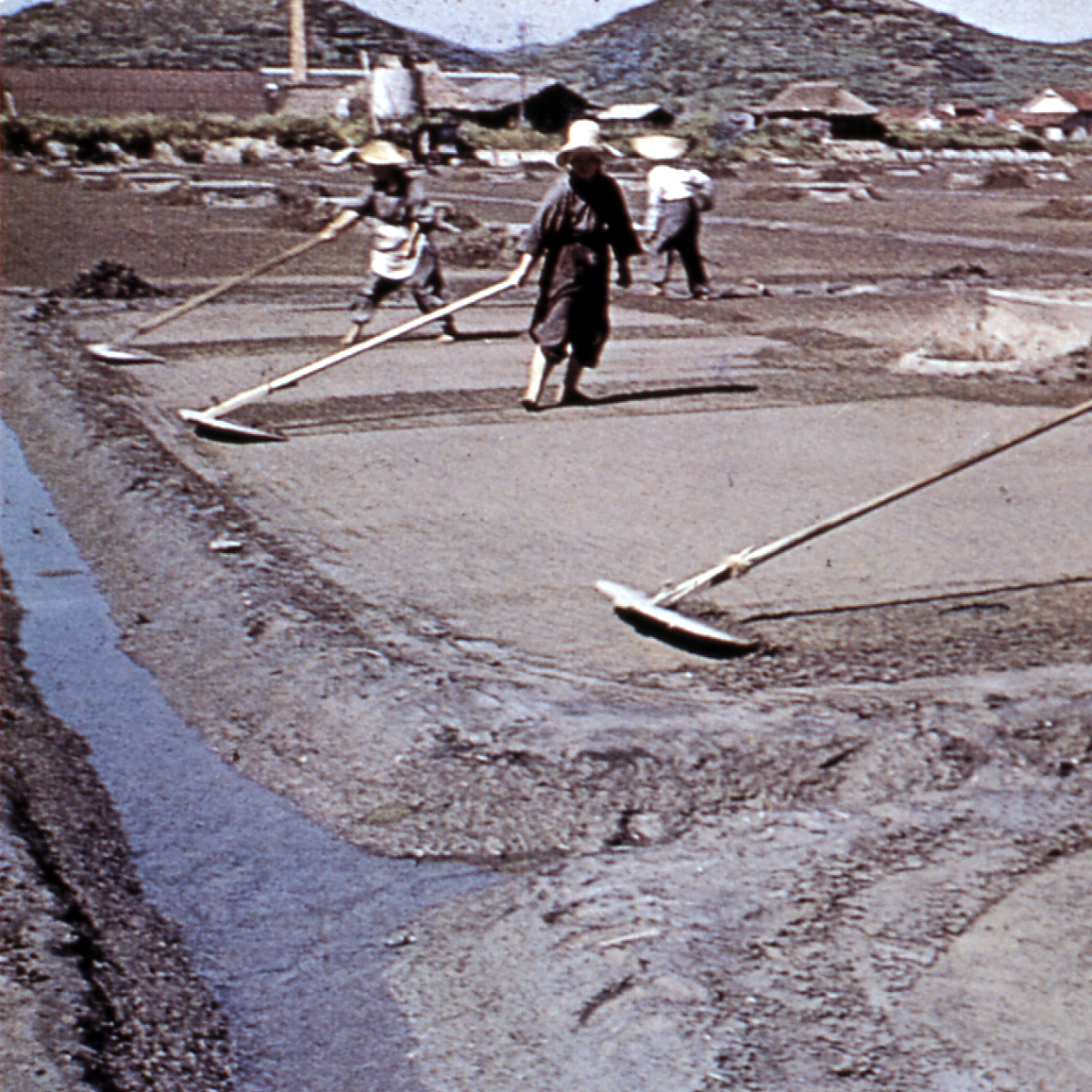
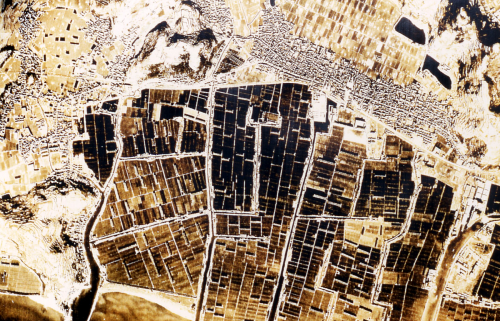
Solar evaporation, favorable climate and human labor thrived harmoniously for nearly a thousand years...

Scroll right >

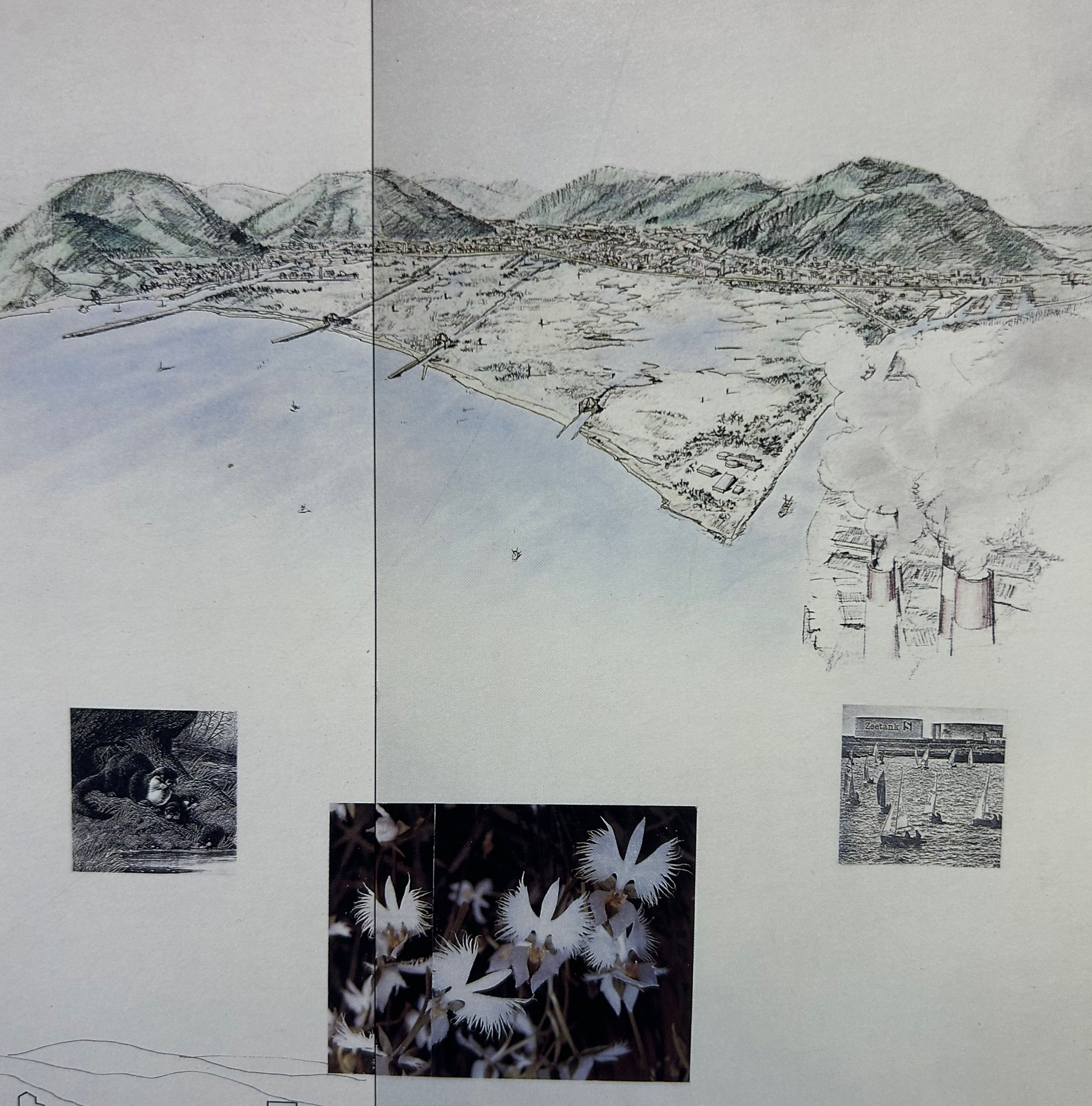
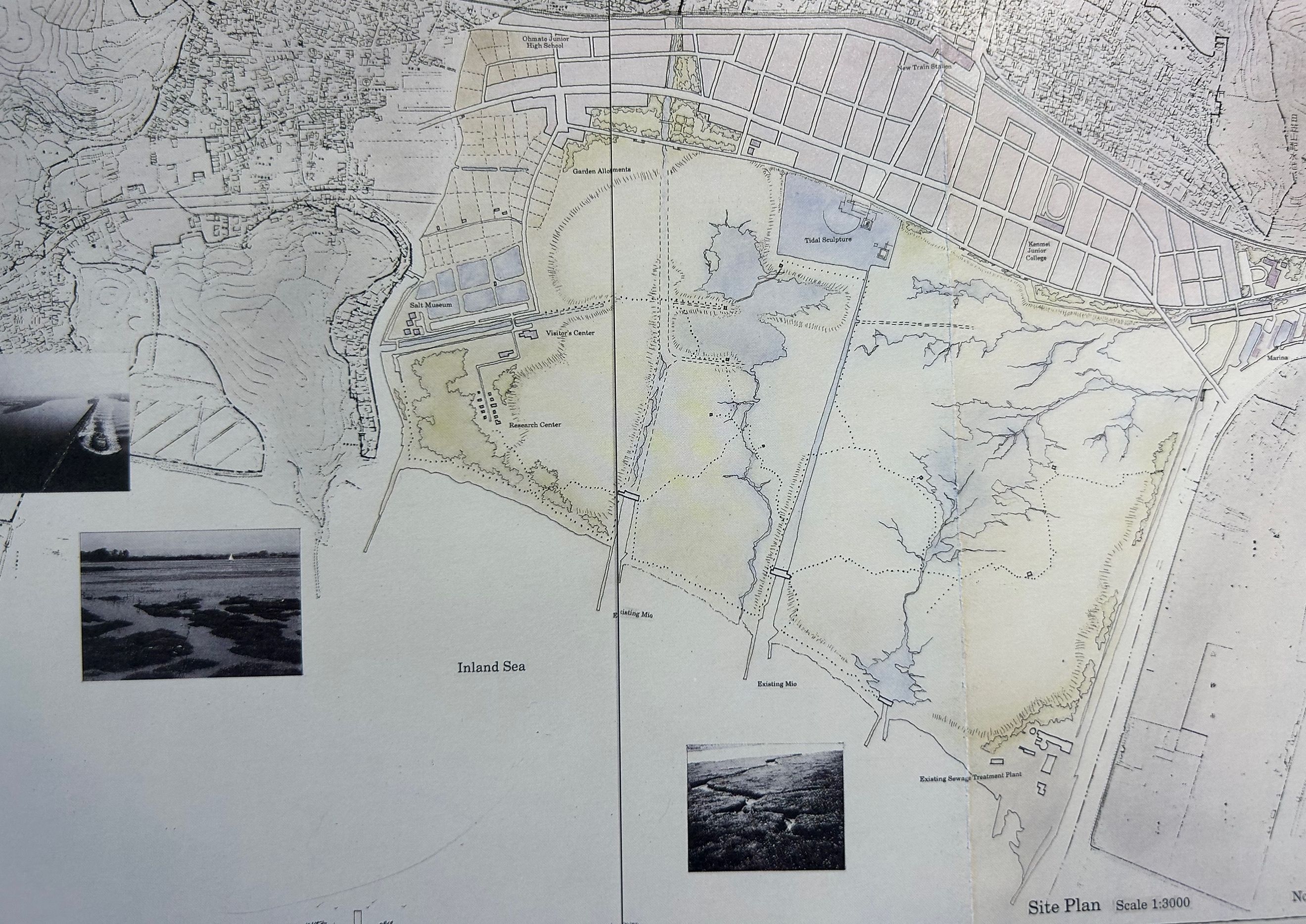
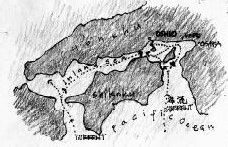
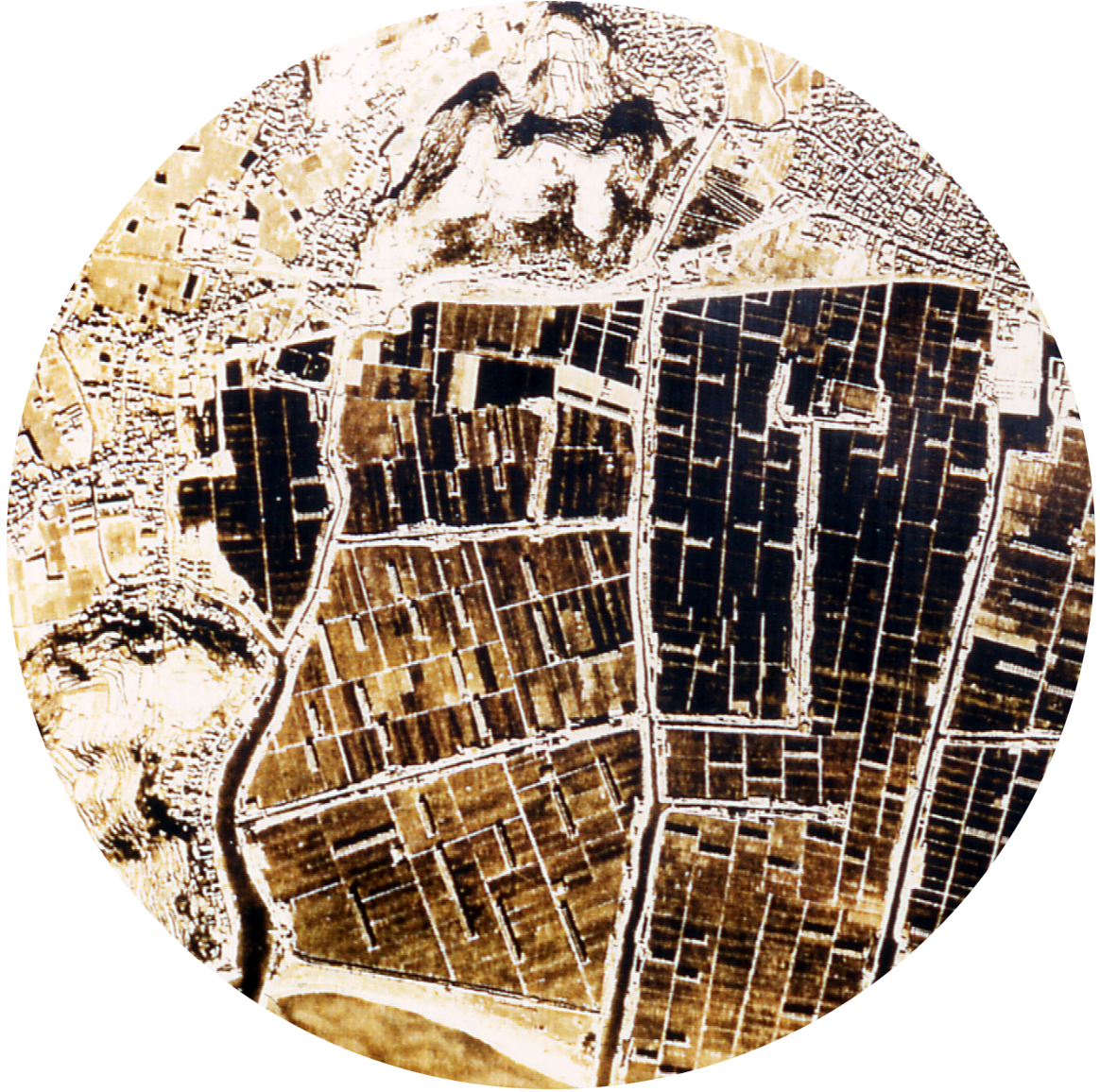
Himeji's Oshio-Matogata (大塩・的形) sprawls vacant along the extensively industrialized coastal land facing Japan's Inland Sea. Flanked by giant petrochemical, ship-building industries and powerplants which are powering the region's mighty economic ascent of the early 1970's, the large silent emptiness here is a bewildering sight.

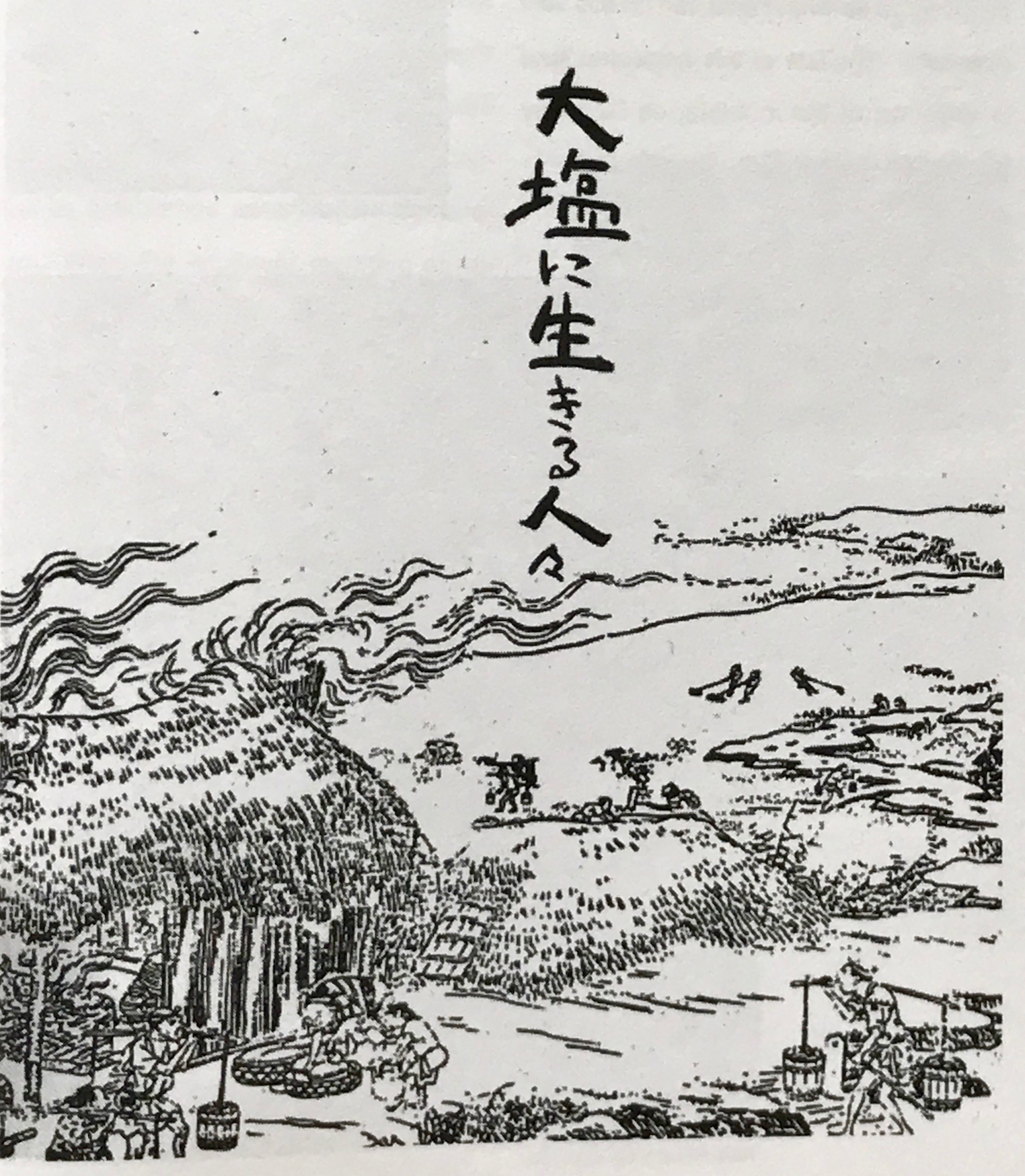
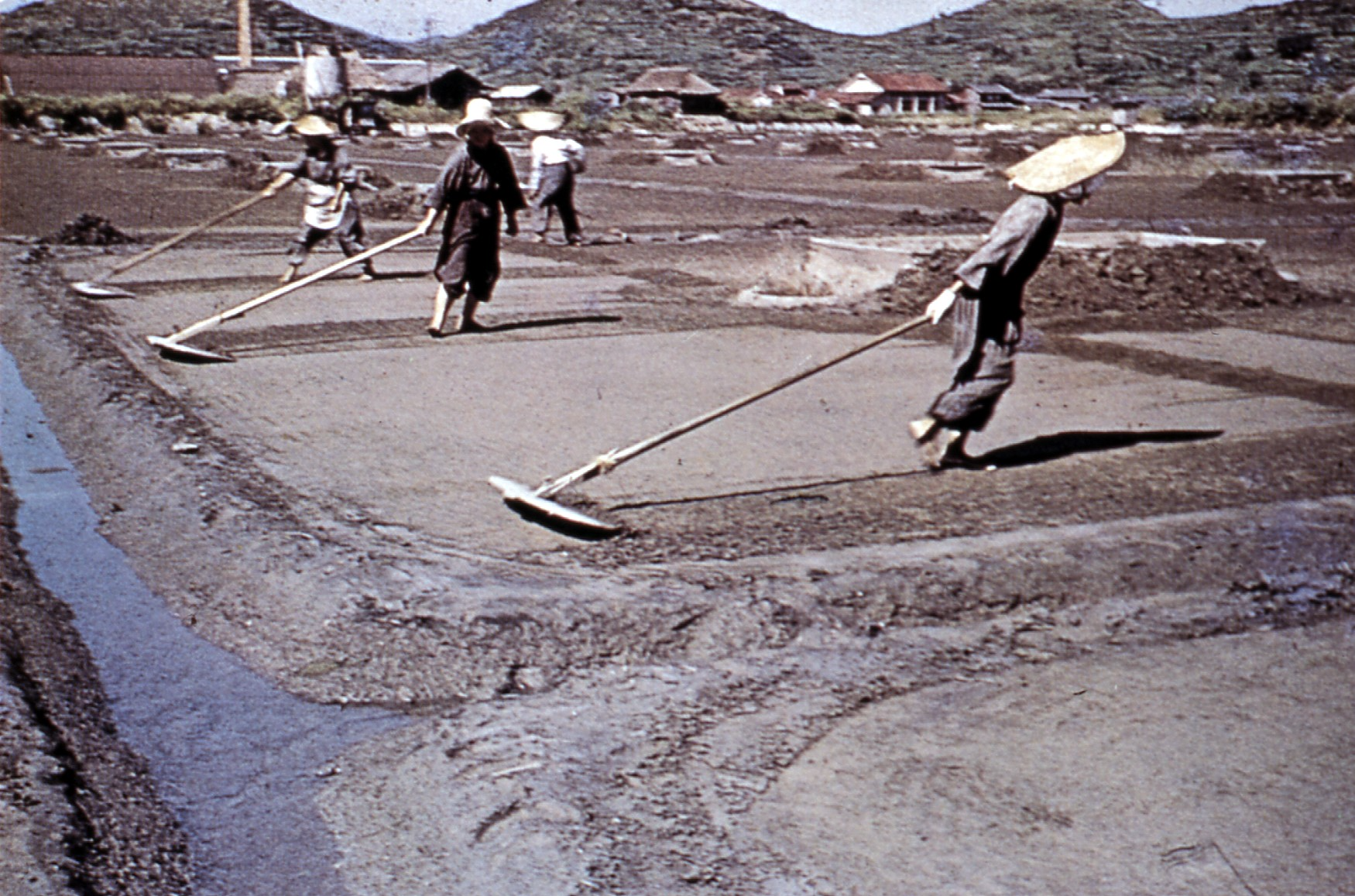
The town of Oshio(大塩)meaning "large salt", had existed as a prosperous salt-farming settlement at this location - a shallow shoreline where the tidal waters converge from east and west leaving a generous deposit of salt in the sand.

Solar evaporation, favorable climate and human labor thrived harmoniously for nearly a thousand years...

...until the 1970's when the government halted all non-mechanized salt production. Oshio suddenly faced an unknown future thrusted upon them from outside.

1990: The Creation of a Japan Design Workshop

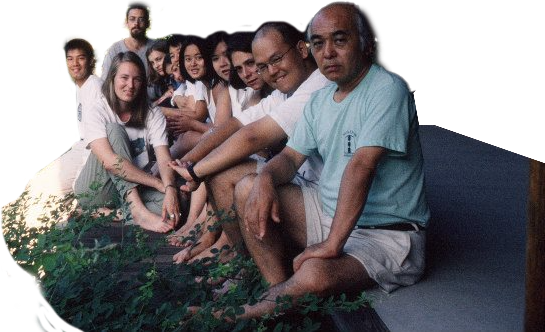
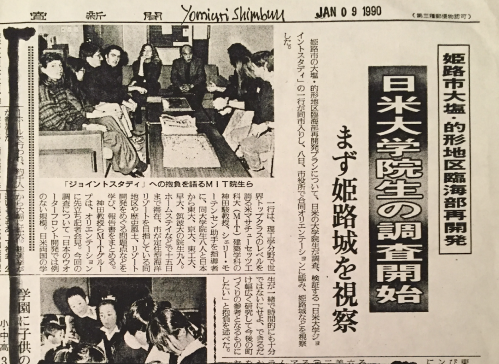
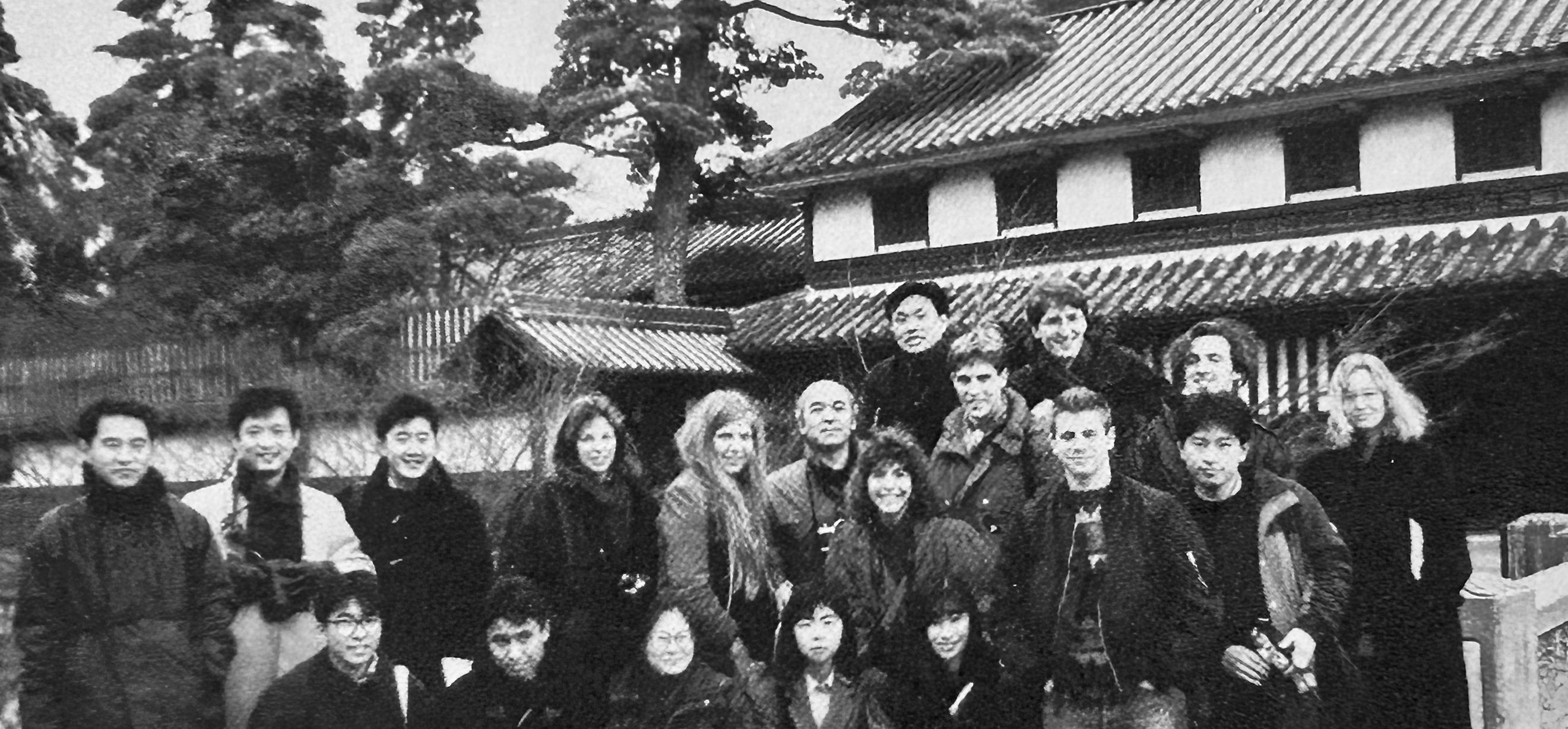
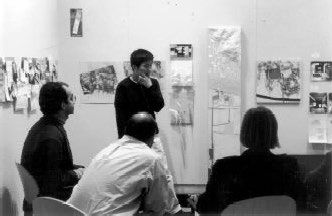
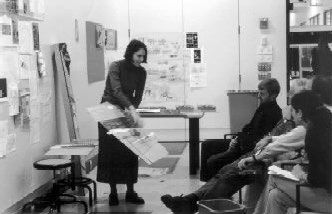
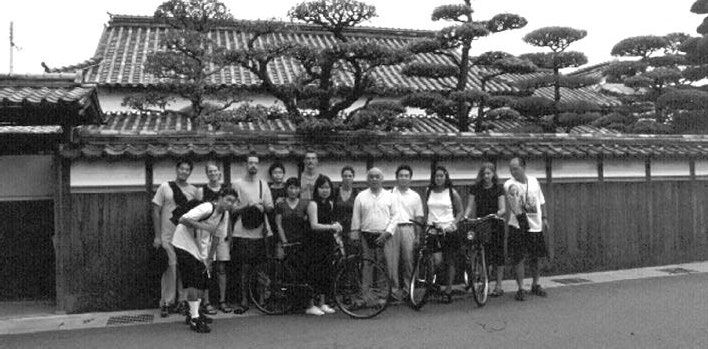
During the short span of one semester in 1990, eight MIT graduate students with eight Japanese counterparts visited Oshio, listened to experts, conducted site observations and interviews with local residents.

Scroll right >

The Himeji/MIT Design Studio was initiated at the invitation of the Mayor of Himeji on the city's recent award from the central government's "Resort Development Project" funding. This in turn occasioned the first MIT Japan Design Workshop directed by Professor Shun Kanda at the MIT School of Architecture & Planning.

Who is thinking about these issues?

who decides?

who benefits?

who will live here?

Are there guiding visions?

precedents to emulate?

...complex and ambitions topics for anyone to tackle.

Scroll right >

We were in fact meeting with the last generation of people who had toiled at the salt-fields, hearing in awe of their legacy, their personal experiences and their forefathers', while glancing at their sun-darkened complexion, hands and fingers. Looming in our minds were myriad questions surrounding imminent land development, the past and future form of communities, development vs. protection of the extant seacoast estuarian environment.

Who is thinking about these issues?

who decides?

who benefits?

who will live here?

Are there guiding visions?

precedents to emulate?

...complex and ambitions topics for anyone to tackle.

The sixteen Japanese and American student members carried on exceptionally well, producing fresh insights with imaginative potentialities of architecture and planning, with enthusiastic creative dedication.

The MIT team offered two recommendations to the mayor.

Scroll right >

Both ideas stemmed from our reaction against the generally over-industrialized development and landfilling along Japan’s coastal cities and consequent ecological damage and air/water pollution destroying the waterfront environment. Our proposal strongly disagrees with the current plans to construct a national coastal highway cutting across this site.

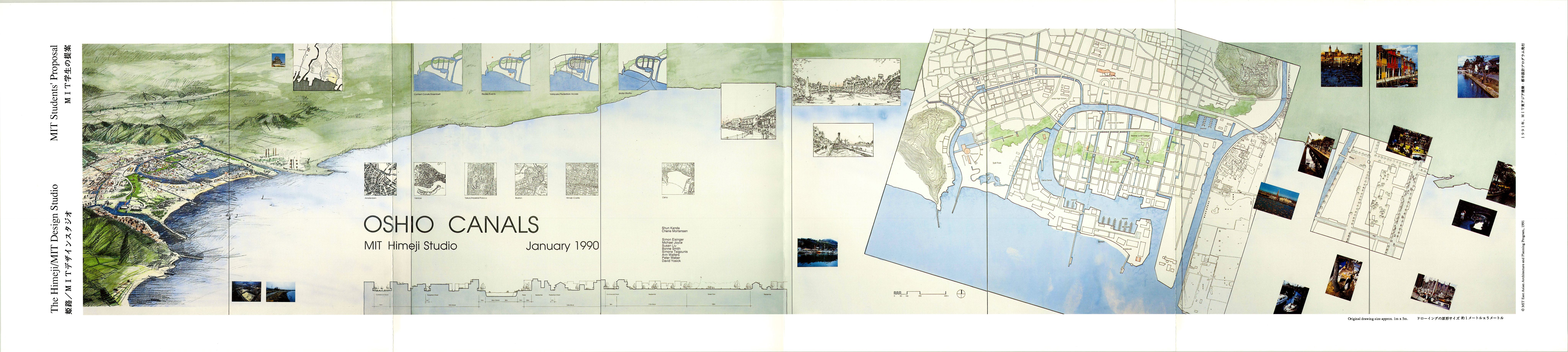
The first was a proposal for a waterway-based development, the “Oshio Canals.”

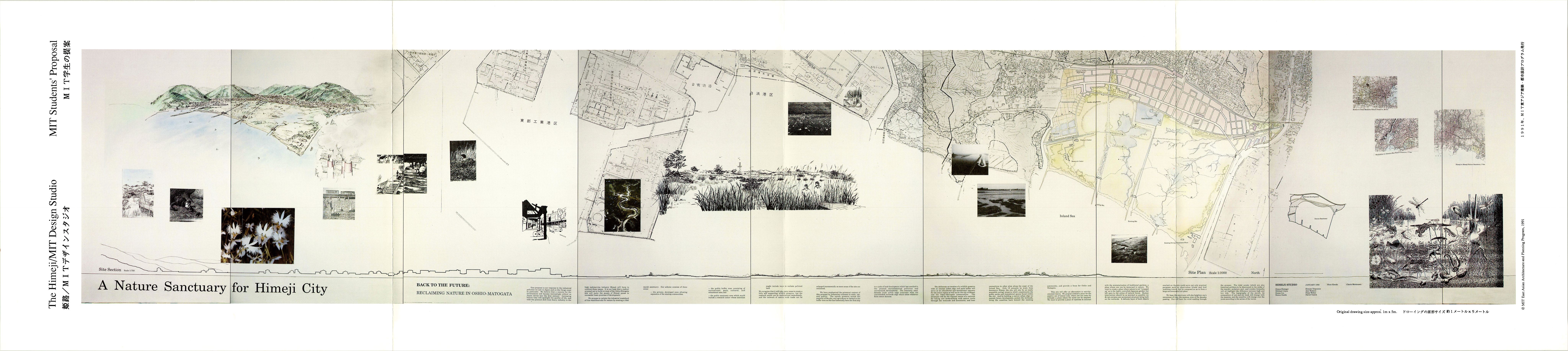
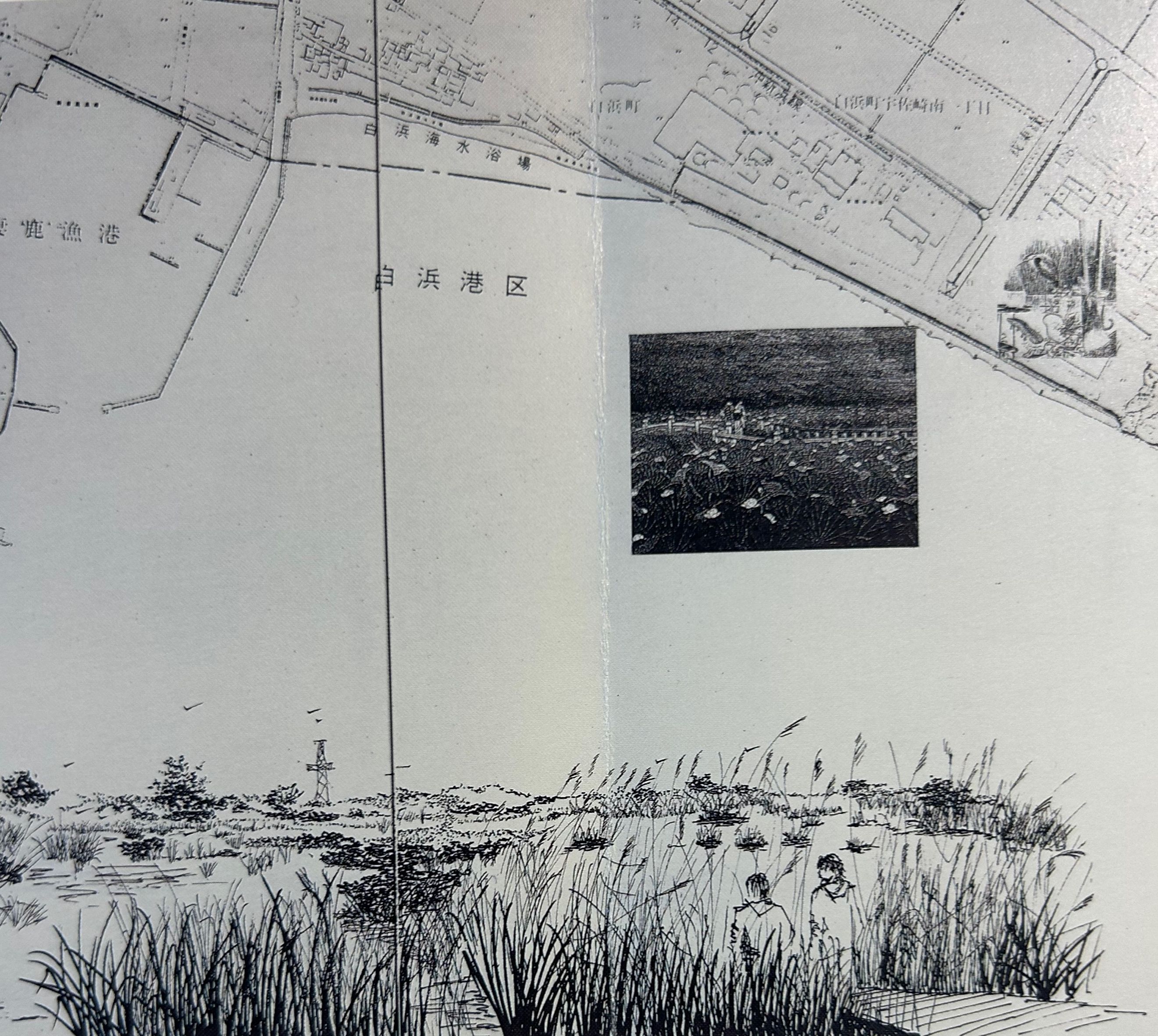
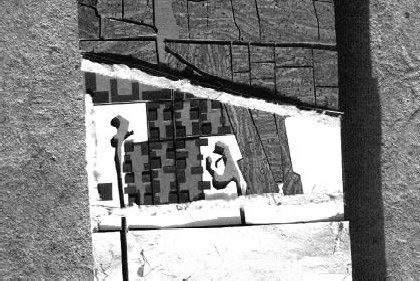
The second, “A Nature Sanctuary”, was a radical proposal not to build on most of the former enden site. The scheme would reclaim the former enden wasteland by creating a renewed habitat – for coastal flora and fauna including the nojigiku plant, certain waterfowl, and crustaceans.

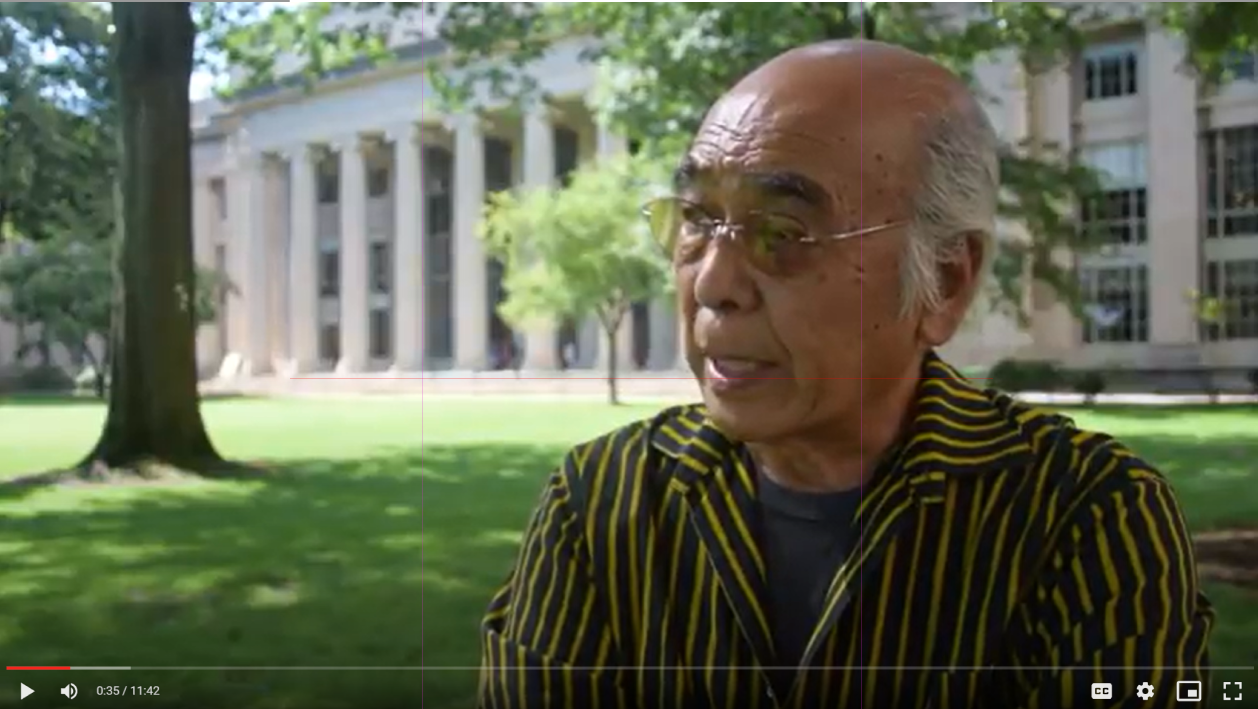
Watch Professor Shun Kanda talk about the intervention in Oshio and creation of the Japan Design Workshop:

Scroll right >

This is a stitch that contains the full text transcript of the video. Not yet AI generated but make a placeholder please

“There was significant demand in Japan for a new vision, both in terms of reviving older city centers and new land development.

It was during this economic boom that we were asked by a town in western Japan, called Oshio, which is part of the city of Himeji.

We were invited as outsiders, eight or nine graduate students of the MIT Department of Architecture, what I referred to as the SWAT team, eager to step outside the classroom and tackle real-world problems.

Given our students' lack of detailed knowledge, we approached the project physically and viscerally, which actually helped generate new ways of thinking about the future of the place.

The process involved quickly gathering research and information, analyzing it, organizing it, and then presenting it to people we had never met before.

One memorable instance was a young member of a family that owned the salt flats. He had resisted selling out to developers.
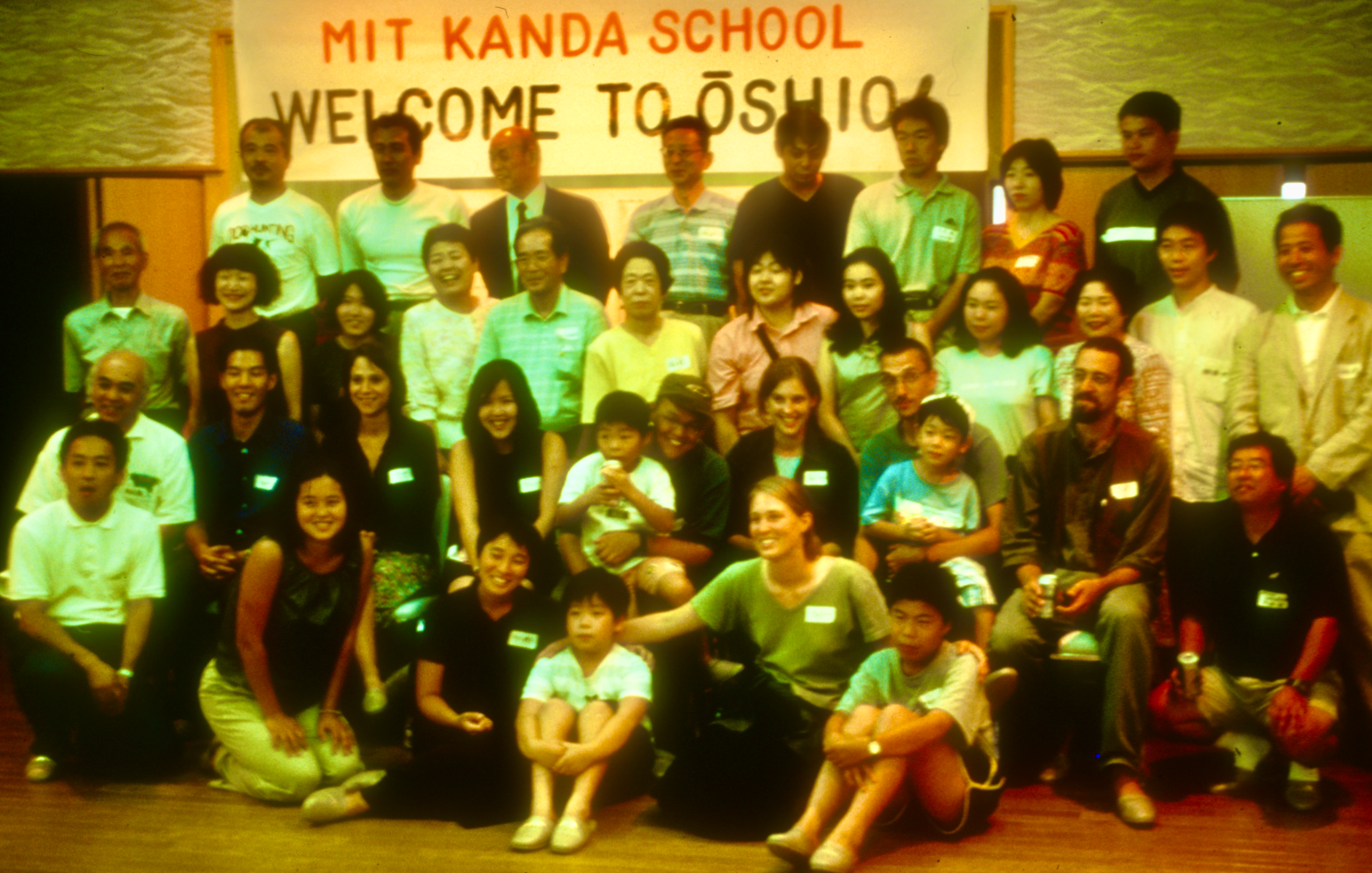
1990: all the students

1999: Housing and Community Design Proposal

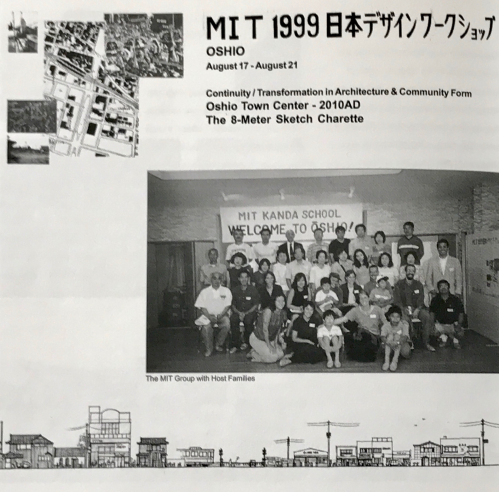
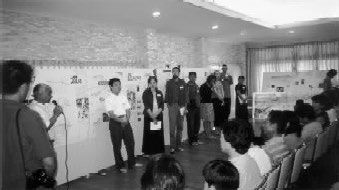
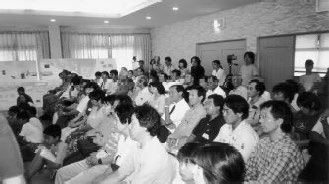
Nearly ten years passed, and Professor Kanda returned to Oshio with another team of MIT students.

This time, the invitation for this visit came directly from the people of Oshio-Matogata, no longer through the mayor's office.

*add clarity that this time it was through the people, no longer the mayor's route*

Scroll right >
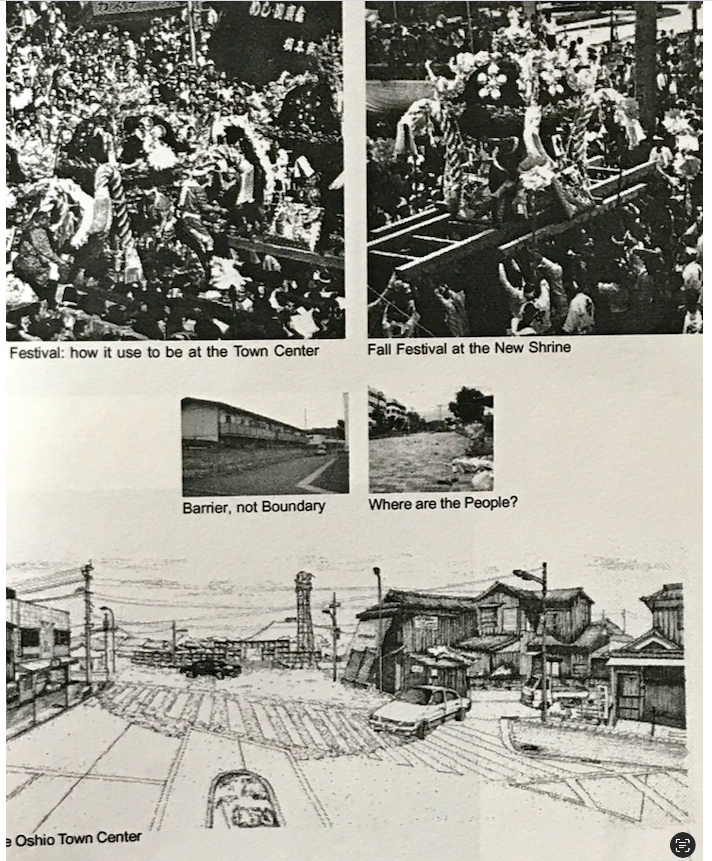
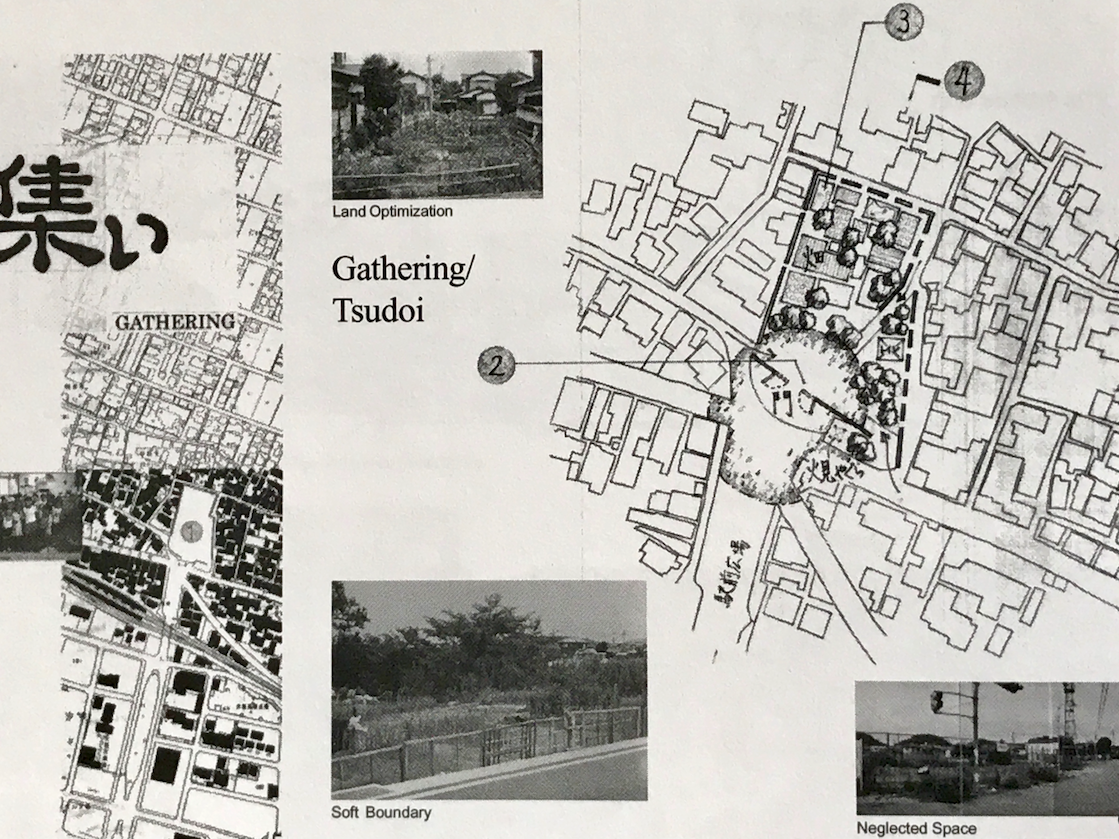
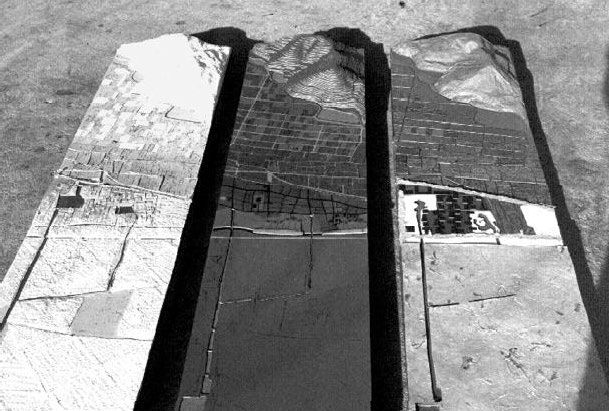
The 8-Meter Sketch Charette for Oshio Town Center, 2010AD (August 17-August 21, 1999)

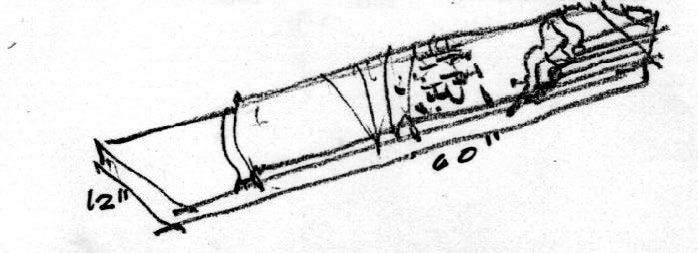
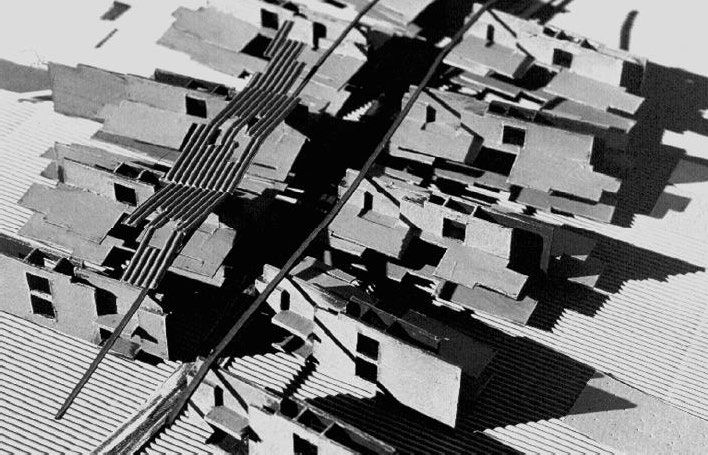
The study proposed a 2-km "Topologic Slice" describing the ecological structure of the environment extending from the hills to the shoreline.

Scroll right >

We directed our attention to the history and ecology of a place such as Oshio-Matogata. As architects and planners, our interests lie in finding forms of sustainable development for the site of the former salt-fields. We believe that there is a new life for this coastal land which can continue the previous history of coevolution between people and place.

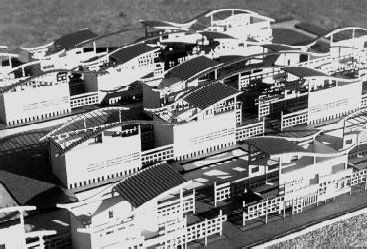
Within the “Topologic Slice”, an appropriate typology of housing was proposed.

Scroll right >

Their design was primarily based on utilizing the prevailing ocean breeze. A large collective roof captures the year-round solar energy. Assuming the same density as in the existing town, this new housing stock may encourage the younger generation to remain in the community which is now increasingly left with an aging population.

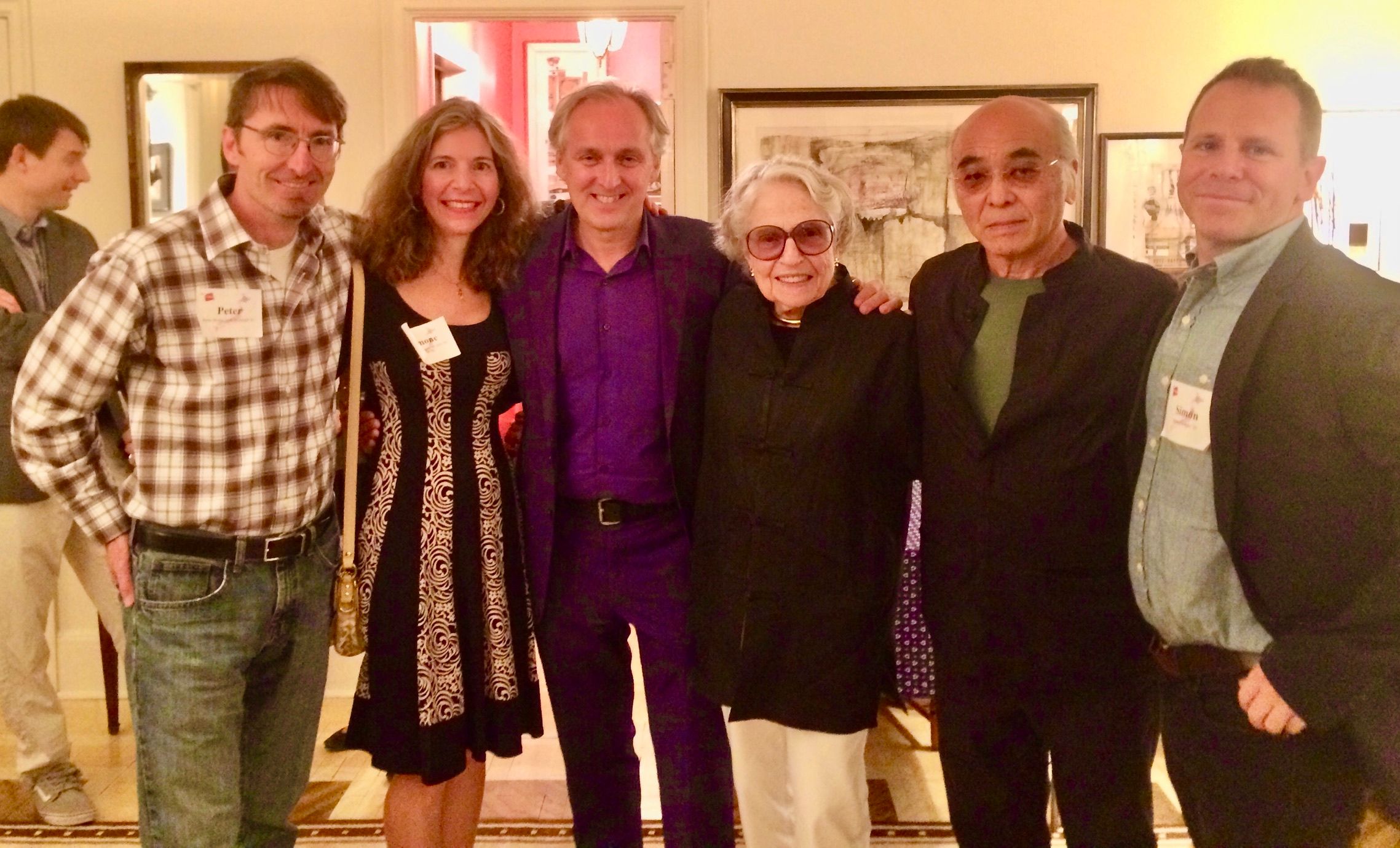
2017: OSHIO JDW 1990 Members Reunited

After 27 years in NYC

Peter Weber, Simone Tsigounis, Michael Joyce, GK, Shun Kanda, Simon Eisinger

Oshio Participants by Year

1990

  • Simon Eisinger BSAD
  • Susan Liu MArch

1999

  • Laurie Griffith MArch
  • Mark Jewell MArch

At My Feet

And why did I end up taking so many pictures of my feet, anyway? Are there that many more details within the footscape of Japan compared to other places I have been?
~JDW Student 2008

Next Book:

Kyoto 京都町家