Tokyo 東京参道

1990 1999 2001 2002 2003 2004 2005 2006 2007 2008 2009 2010 2011 2012 2013 2014 2016

Introduction

JDW Basis of Selecting TOKYO:

Basic Inquiry:
Endearment of Omotesando

Q: CONTINUITY?
Idiosyncratic urban morphology on Auto-Pilot

Q: TRANSFORMATION?
Recalcitrant Resiliency Without a Cause

JDW Agenda/Actions:
with Omotesando as stage, enact a street performance inviting the public to participate in the question:
What the...is going on here?

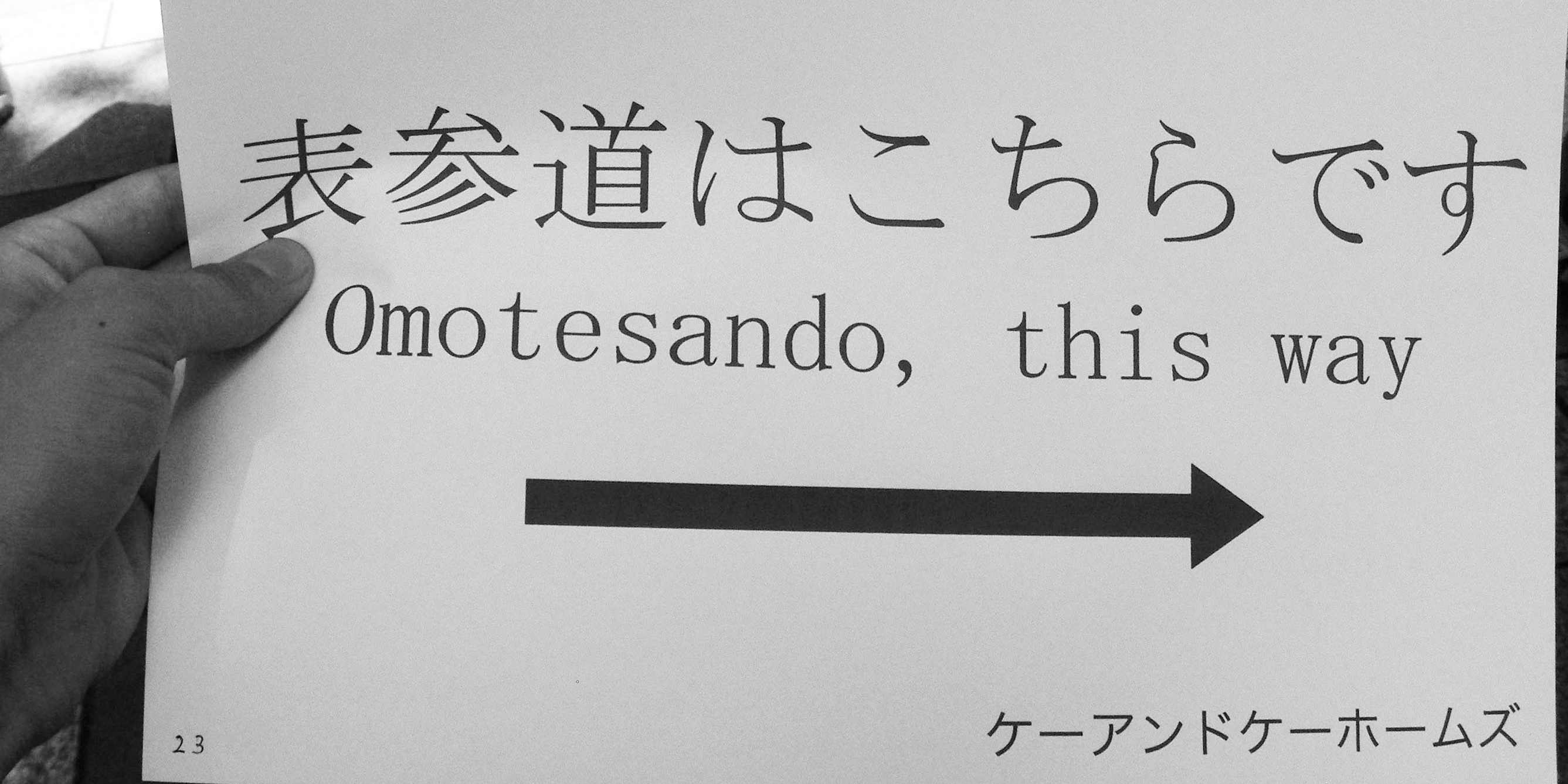
"Hatena...? good gracious! what the .... is going on here?" We want to answer the question by feeling the environment. Hatena is not a question that can only be answered mentally or by sight, but a question that can be answered through palpable sensations.

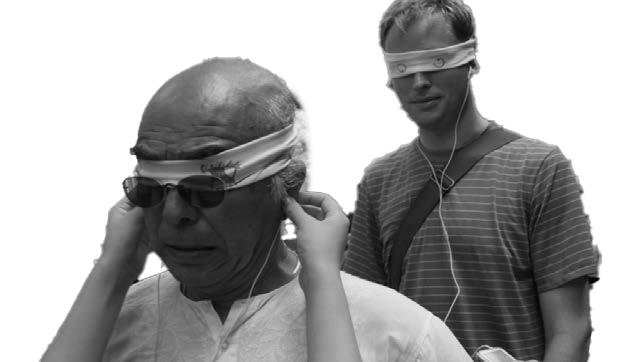
Omotesando has much more than the high-end shopping fanfare and glamorous architecture that it is known for. It is a place of enduring landscape and environmental subtleties. We want to awaken these sensitivities through felt experience. Masking the usual dominant senses of sight and sound, this performance allows participants to contemplate the question of Hatena? at Omotesando with their entire being.

“we will try to capture this giant amoebae, incomprehensible as a discrete physicality yet coherent in its semblance of virtual reality”

Scroll right >

Tokyo, a city known more as an urban phenomena undergoing perpetual transformation –

we will try to capture this giant amoebae, incomprehensible as a discrete physicality yet coherent in its semblance of virtual reality

if one can become embedded in its web-like existence - of an exceptional metropolitan chaos and speed, a dynamic aggregation of 21st century urban-villages. We will attempt a 48-hour workshop focused on the iconoclastic and popular Omotesando lined with global superstar architects’ boutiques and trendy commercial establishments. Our activity will consist of a gut-level response by the team of students to – “what the ..…..going on here?!” – conveyed by an ad-hoc street-performance in public.

OMOTESANDO 表参道

“Front Path to the Shrine”

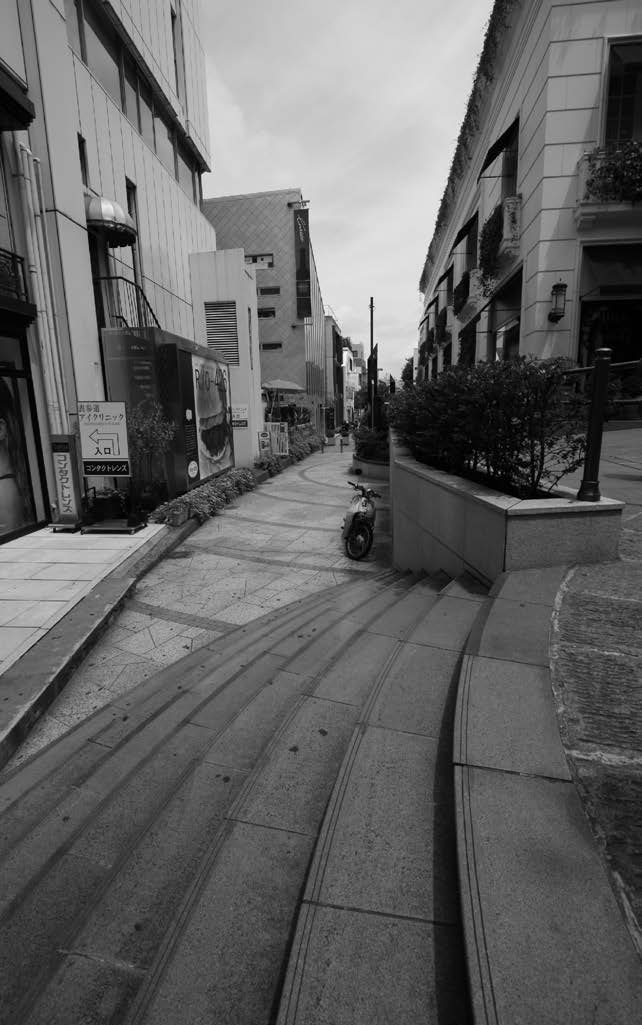
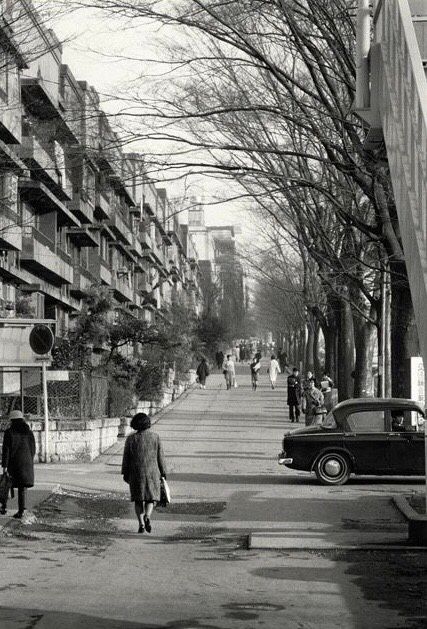
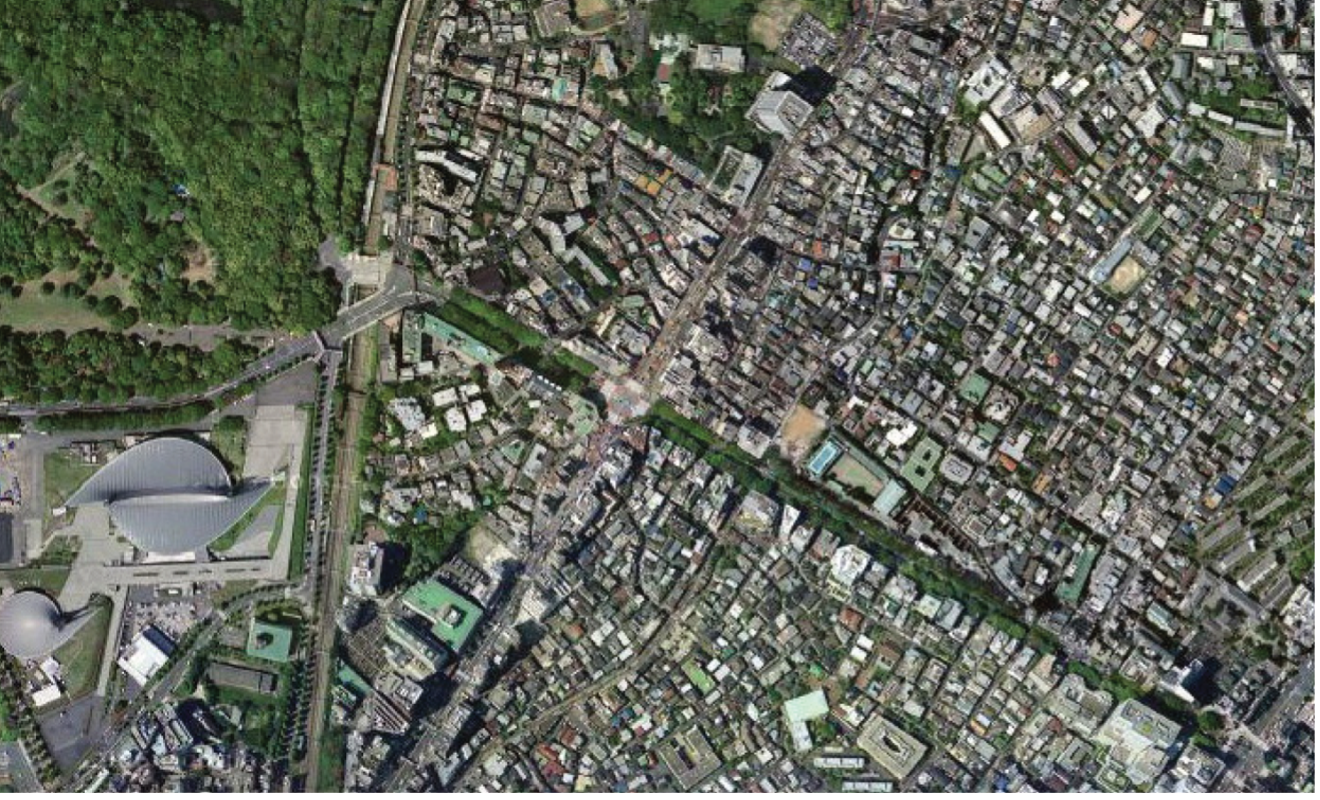
Omotesando c.2008 Approach to Meiji Shrine
Scroll right >

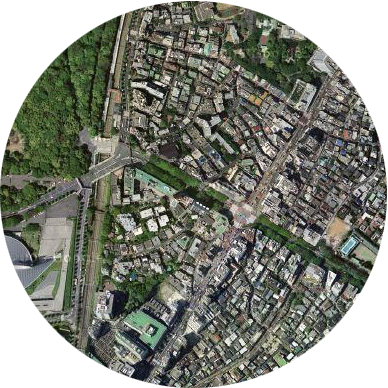
Omotesando 表参道 in name serves as the main approach to Meiji Shrine--Tokyo’s largest Shinto shrine, hidden in the heart of Yoyogi Park.

Scroll right >

Omotesando 表参道 in name serves as the main approach to Meiji Shrine--Tokyo’s largest Shinto shrine, hidden in the heart of Yoyogi Park.

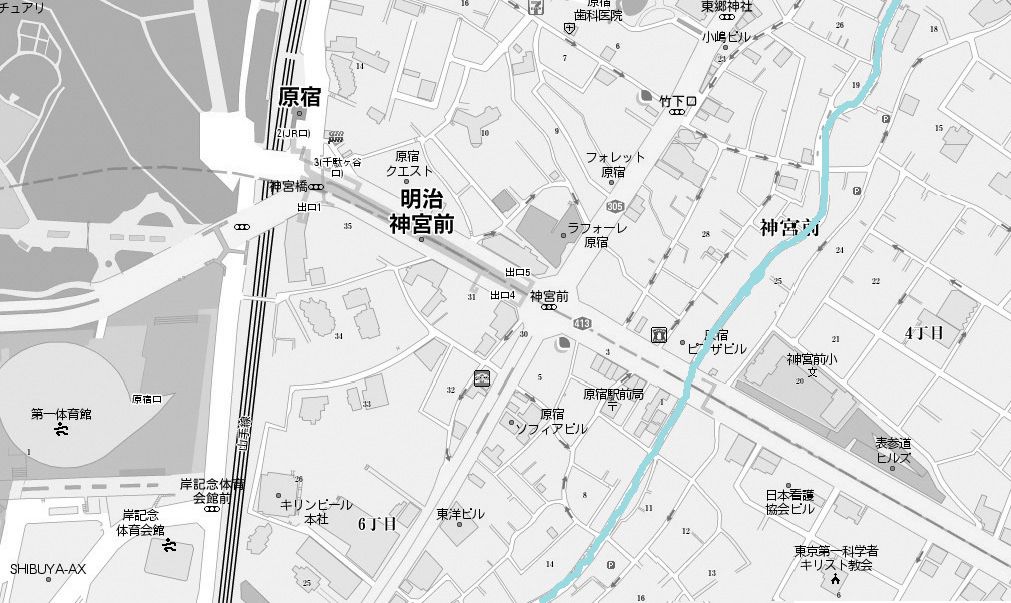
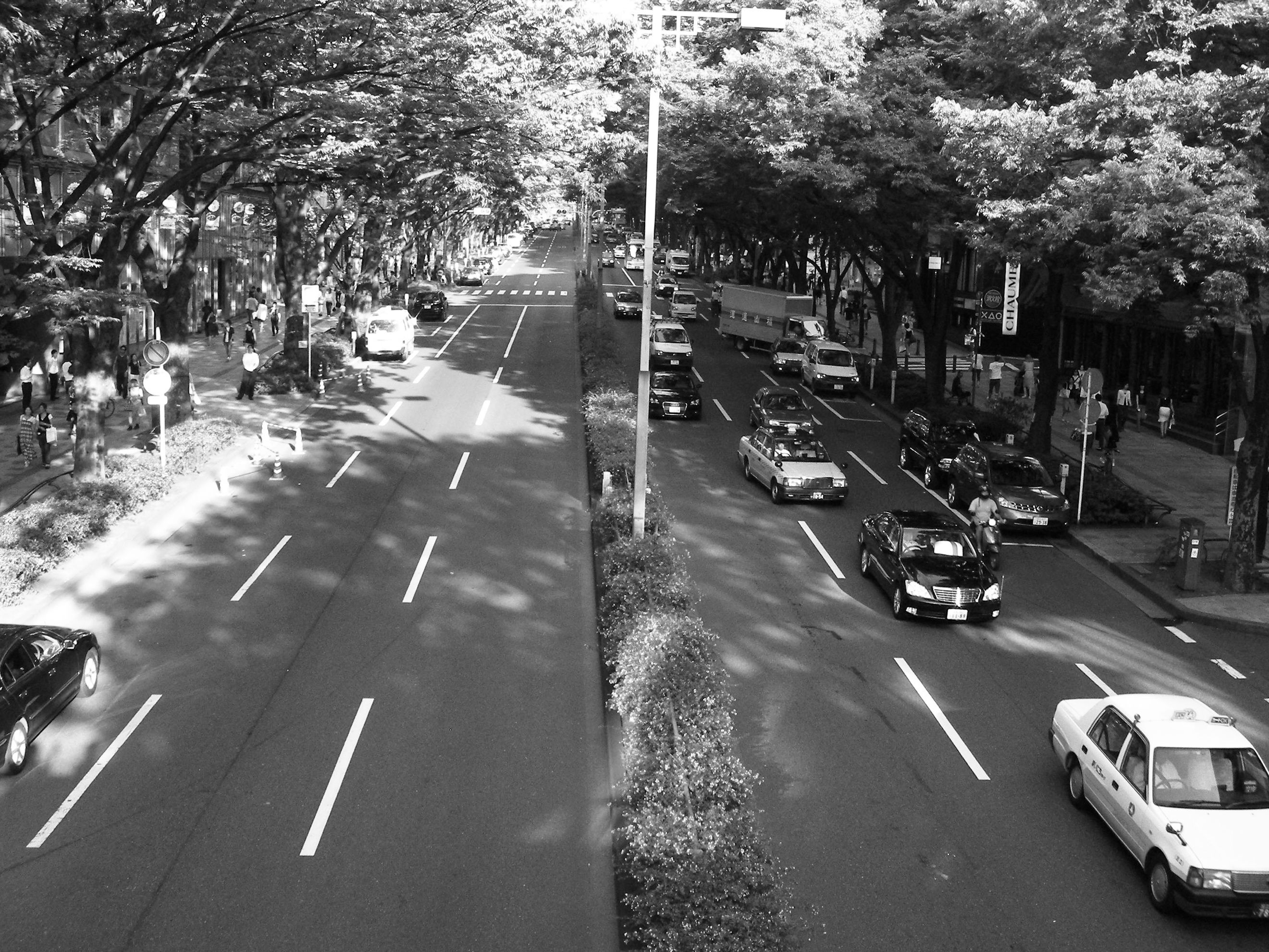
The zelkova tree-lined boulevard is unlike any other in Tokyo. Stretching one kilometer from JR Harajuku station to Aoyama-dori, Omotesando is widely known as Tokyo’s most fancy shopping district.

Often referred to as “the Champs-Elysee of Tokyo,” Omotesando has storefronts showcasing Louis Vuitton, Gucci, Dior, Prada, Issey Miyake to name a few, opening their doors to the broad sidewalk boasting high fashion and high prices to the passers-by. Omotesando is not only a runway for the most famous fashion labels but also an exposition of slick buildings by international star-architects.

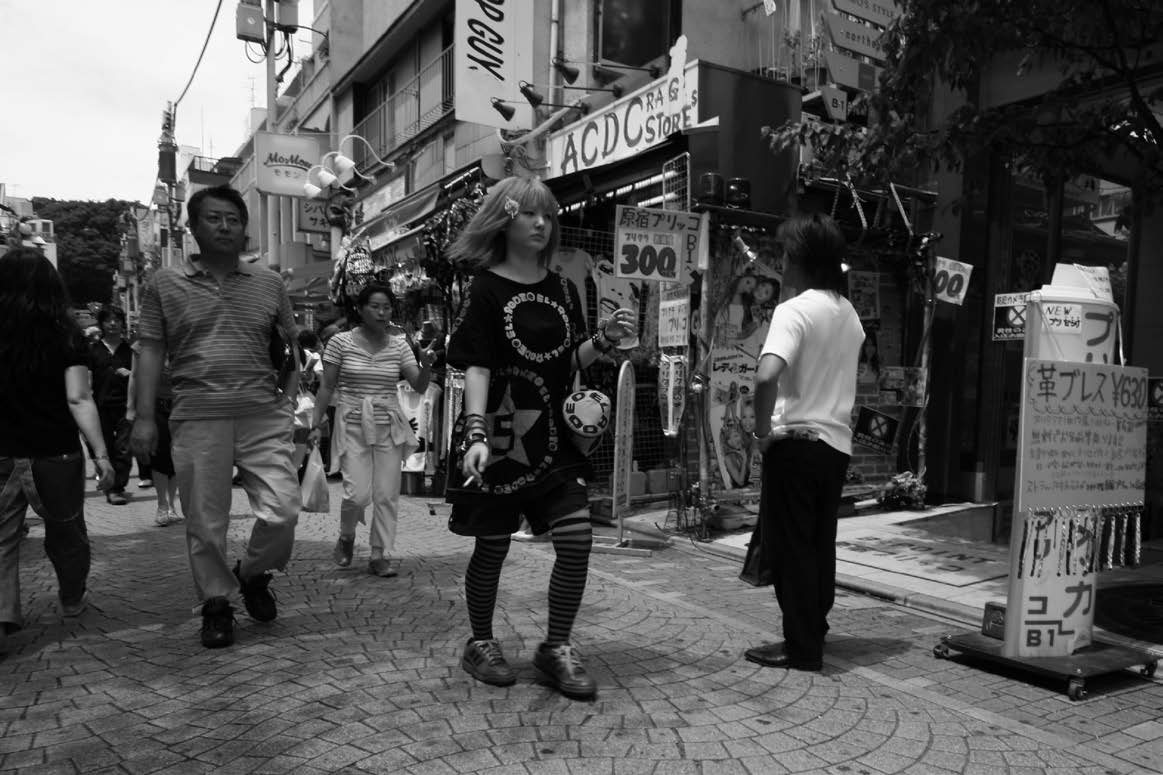
Behind the glossy facades of Omotesando lurks a bustling trendy sub-culture of a younger generation represented by Takeshita-dori and numerous meandering alleys replete with store-full of sundry goods.

Important yet practically invisible are the distinct neighborhood of longtime residents. Until a few decades back, a large section alongside Omotesando was the Dojunkai-Aoyama aprtment block. One of the most well-designed and lived-in urban housing environments with a public bathhouse in its midst, it was razed and replaced by Omotesando Hills - a linear shopping mall. The gentrified transformation of a residential community had taken place.

------

OUTDATED TO REFERENCE Omotesando refers to the avenue and neighborhood in Tokyo stretching from Harajuku to Aoyama. Omotesando is widely known as Tokyo’s most fashionable shopping district. Often referred to as “the Champs-Elysee of Tokyo,” the one-kilometer long Omotesando is one of only a few major tree-lined boulevards in Tokyo. The generous canopy of zelkova trees and gently sloping wide sidewalks invite luxurious strolling, idle window shopping and people watching. Omotesando is not only an outdoor runway for the trendy haute couture labels like Gucci, Pucci, Louis Vuitton, Prada, Issey Miyake but also for a flanking parade of international "starchitects". Tadao Ando's Omotesando Hills, Kazuyo Sejima’s glass-sheathed tower for Christian Dior, Herzog & de Meuron’s Prada store, etc. etc. Omotesando表参道 literally meaning “front approach,” originally created as the ceremonial approach to the Meiji Shrine -Tokyo’s largest shrine--hidden in the heart of Yoyogi Park, but many today wouldn't even know that...!

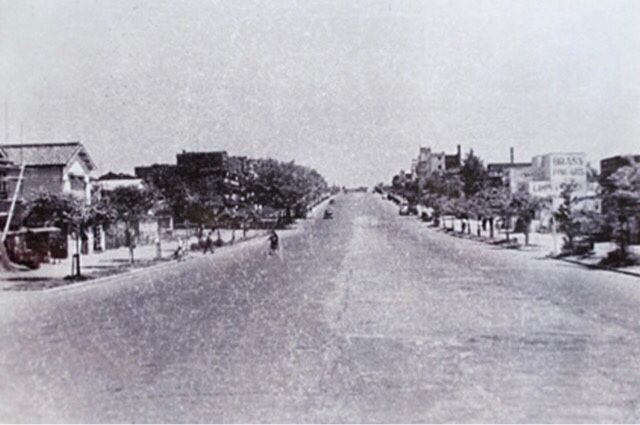
Omotesando 1km x 35.5m wide tree-lined boulevard approach to Meiji Shrine

The workshop asked students to embrace the city as the site for physical intervention - to do a performance. Projects were to critique the current condition of Omotesando and be performed in place. The projects evolved into events which stirred the city in a more dynamic and interactive way. Like a flash jumping into people’s eyes, these events created a fresh experience for/of the city. The workshop made for the interaction of students, the people of Tokyo and environment in a series of specific situations.

The 2 day charette asks "what the...is going on here?" attempting to grasp at this idiosyncratic city called Tokyo.

Charette

Stage

Scroll right >

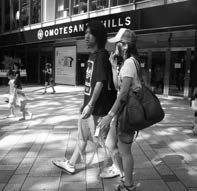
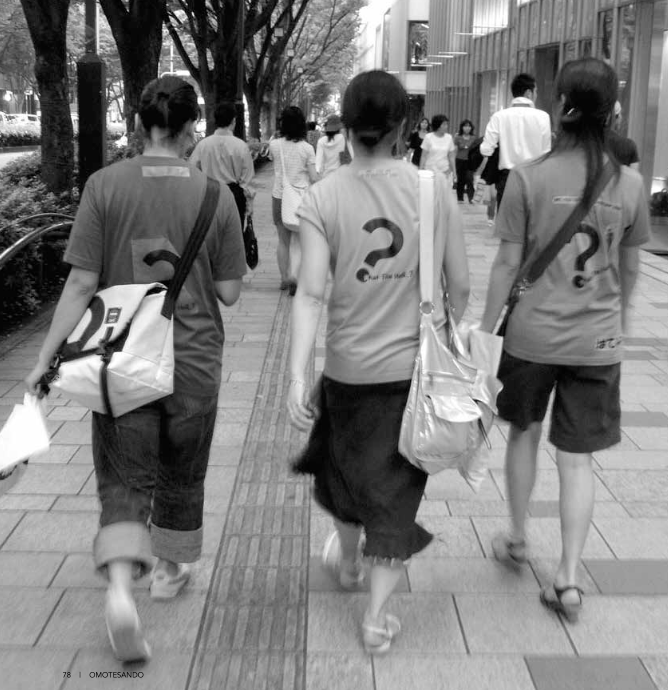
People who come to Omotesando are in fact all performers. They come to be noticed and they go to great lengths to prepare their appearances. People also come here to see other performers. Omotesando is a public open stage.

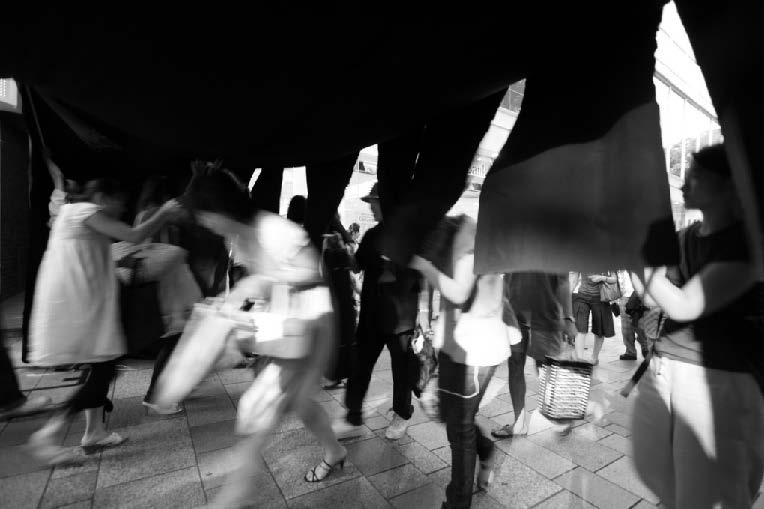
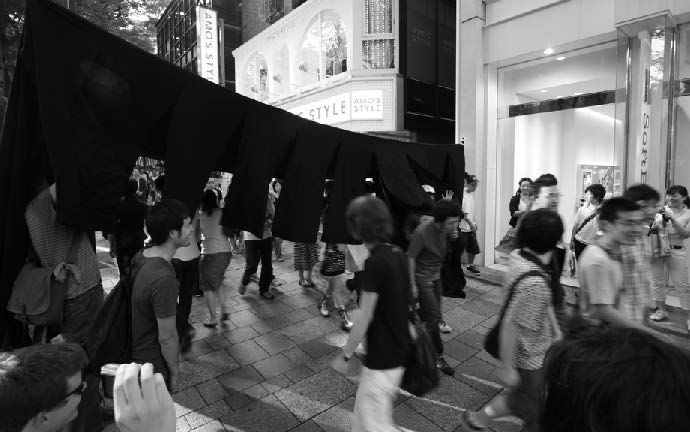
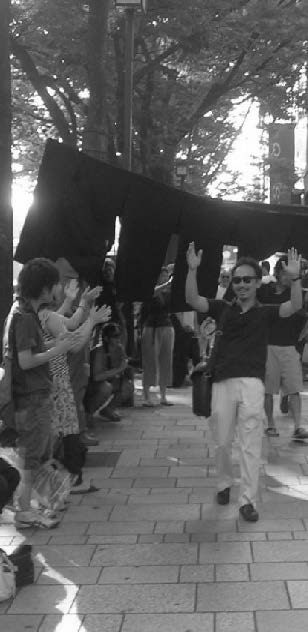
We decided to introduce a gate on Omotesando that would serve to draw awareness of this phenomenon and enhance the experience of entering a stage by providing a transitional cloth curtain, a wide noren across the sidewalk. The conspicuous black curtain was hung near JR Harajuku station at the higher end of Omotesando. The JDW team acted out as the greeting hosts welcoming with our applause and cheers as visitors bowed forth through the draped gate.

A sight historical irony of course is that visitors enter the stage heading toward the commercial hive of today's Omotesando, their primary direction now opposite to the Meiji Shrine. The "frontal approach to Meiji Shrine" for which Omotesando was originally named in 1920 has essentially reversed.

Continuity and Transformation?

The people who come to Omotesando are in fact all performers. They come to be noticed and they go to great lengths to prepare their appearance. People also come here to see other performers.Omotesando is an open stage.

We decided to introduce a gate on Omotesando that would serve to draw awareness of this phenomenon and enhance the experience of entering a stage by providing a transitional cloth curtain, a wide noren across the sidewalk. The curtain was hung close to the Harajuku station at the higher end of Omotesando. We also acted out as the welcoming audience welcoming with our applause as people came through the draped curtain.

A sight historical irony of course is that visitors enter the stage heading toward the commercial hive of today's Omotesando, their primary direction now opposite to the Meiji Shrine. The "frontal approach to Meiji Shrine" for which Omotesando was originally named in 1920 has essentially reversed. Continuity and Transformation?

After spending two days in the Omotesando and Harajuku area, our group came to the conclusion that the people who come to the area are performers. They come to be noticed, and they go to great lengths to prepare their appearance. Harajuku and Omotesando are the stages.

We decided to introduce a gate on Omotesando that would serve to draw awareness of this phenomenon and enhance the experience of entering a stage by providing a transition from dark to light.

We also provided an appreciative audience who acknowledged the performers with applause.

3.5 Degrees

“Do you notice the slope?” With the exception of mothers pushing large strollers or travelers lugging suitcases, most of those polled unsurprisingly replied no.

Scroll right >

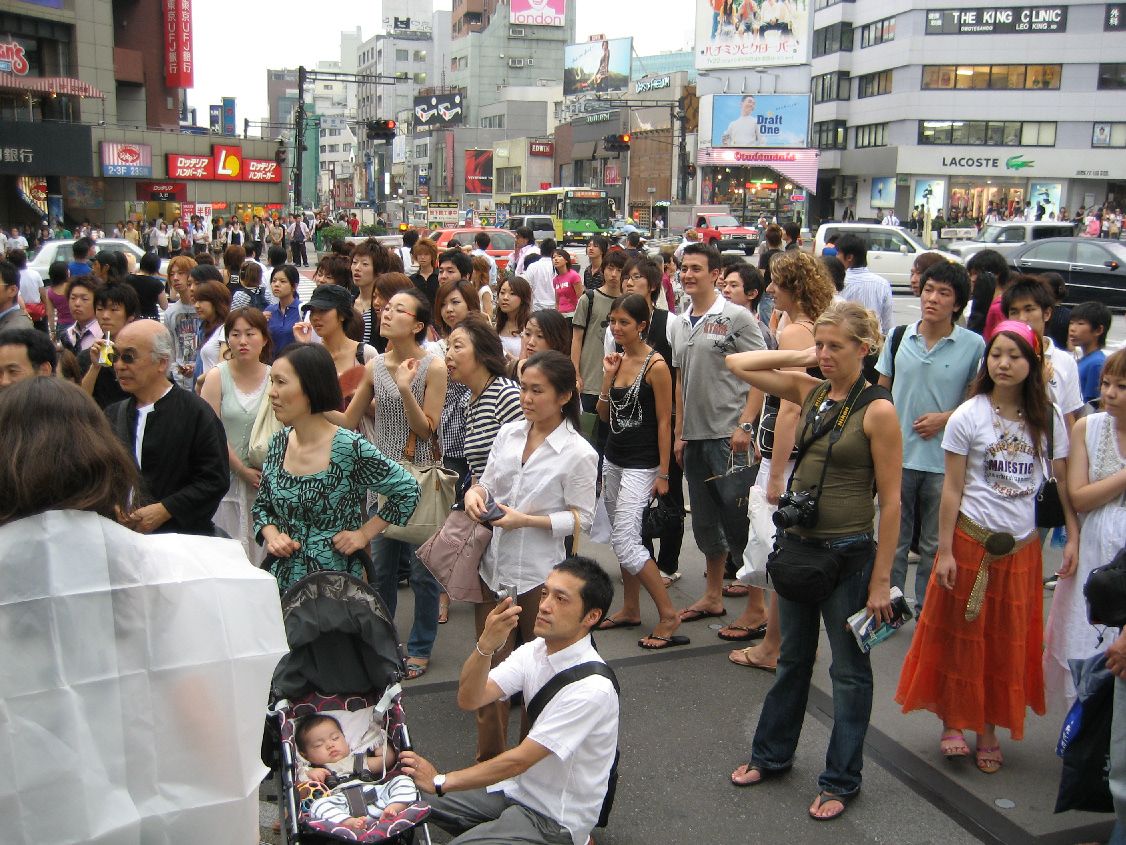
Thousands of pedestrians and even bicyclists crowd onto the sidewalks of Omotesando everyday. The life of the city, shop windows, restaurants, trees in the breeze, cars whizzing by and the constant swish of people moving past, an overdose of sensations preventing the average visitor to notice a prominent feature of this area: its topography. Omotesando in cross-section slopes down from JR Harajuku to Meijidori, then rises up gradually towards Aoyama-dori. We polled 30 pedestrians and bicyclists on the street, asking the question, “Do you notice the slope?” With the exception of mothers pushing large strollers or travelers lugging suitcases, most of those polled unsurprisingly replied no.
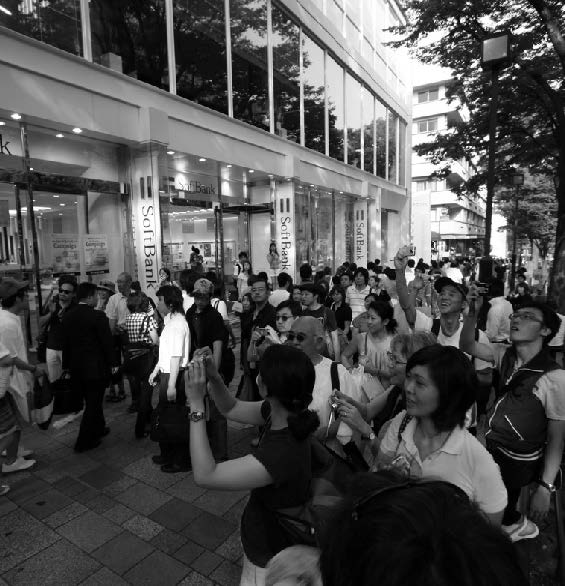
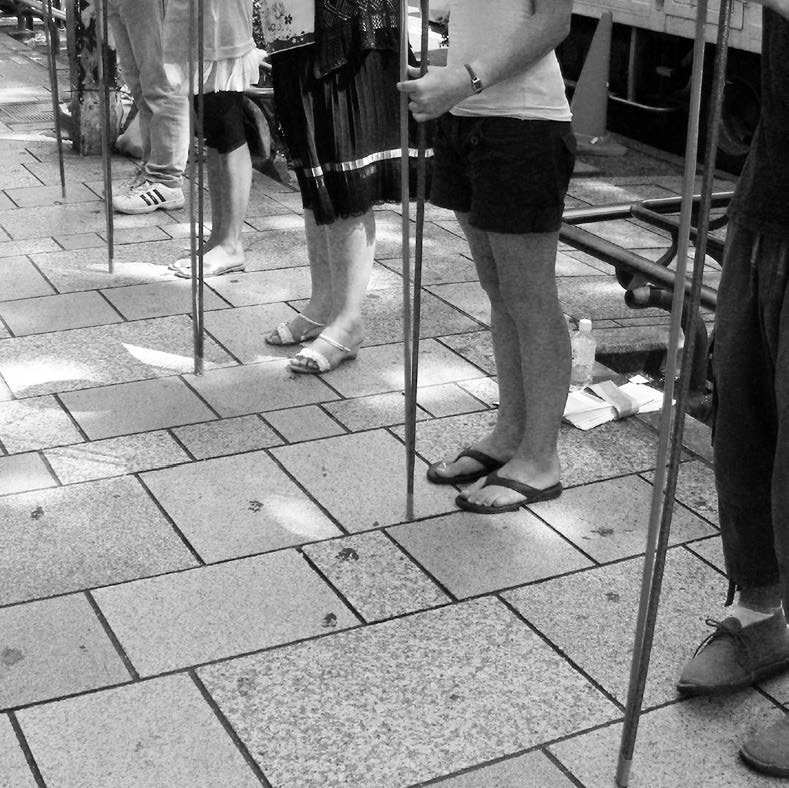
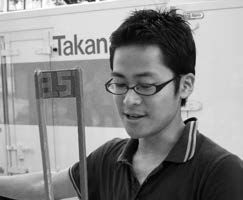
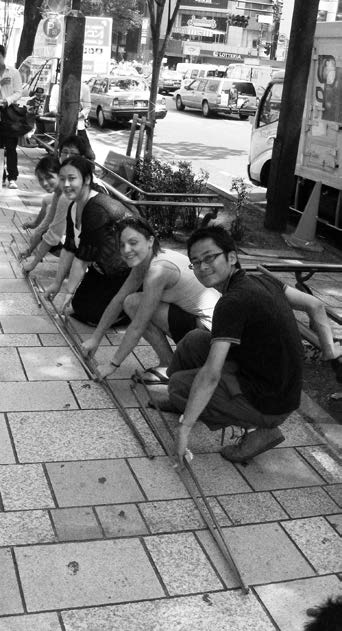
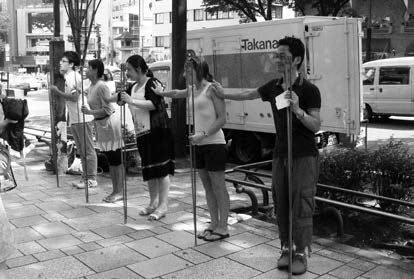
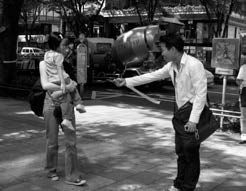
We made a surveyor’s device using two wooden poles, taped to form an acute 3.5-degree angle corresponding to the slope of the ground. Clapping in unison to draw the public’s attention, we stood in line leaning on each other so that our bodies were perpendicular to the ground. The device was also placed on the sidewalk to demonstrate the 3.5-degree pitch along its surface.

Scroll right >

The topography of Tokyo is one of the characteristics that makes the city’s environment so rich. But often this is quite subtle, forgotten. Urban transformation has most certainly rendered our physical environment invisible. In order to call attention to this critical feature of Omotesando, we crafted a performance piece involving all the team members to be rapid craftsmen/women overnight. We made a surveyor’s device using two wooden poles, taped to form an acute 3.5-degree angle corresponding to the slope of the ground. Clapping in unison to draw the public’s attention, we stood in line leaning on each other so that our bodies were perpendicular to the ground. The device was also placed on the sidewalk to demonstrate the 3.5-degree pitch along its surface.

The unusual sight and sounds of this performance were enough to get our point across to the flood of people passing by. “Hatena?” becomes “Naruhodo, naruhodo”, “Good gracious, I see what’s going on here!”.

Uchimizu

Scroll right >

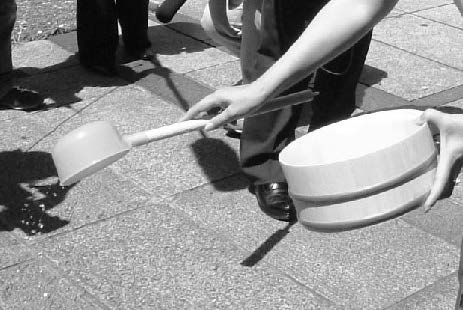
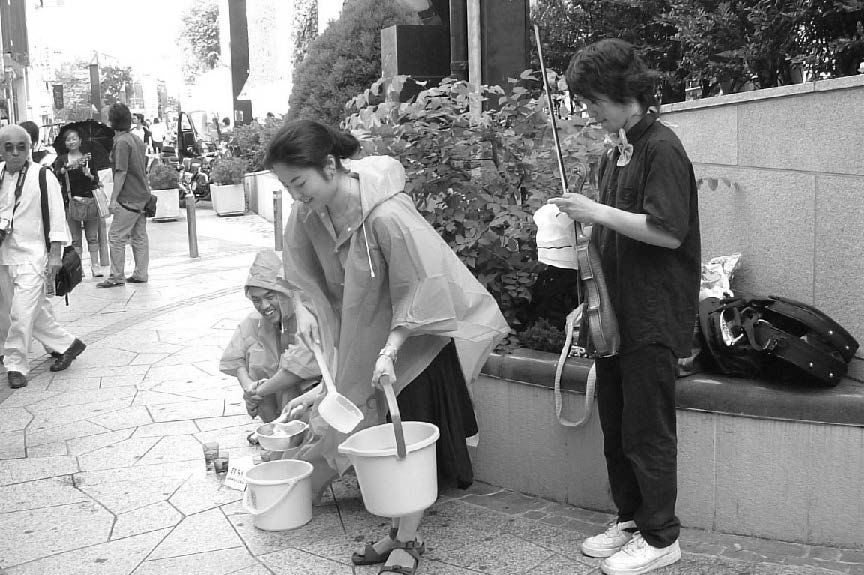
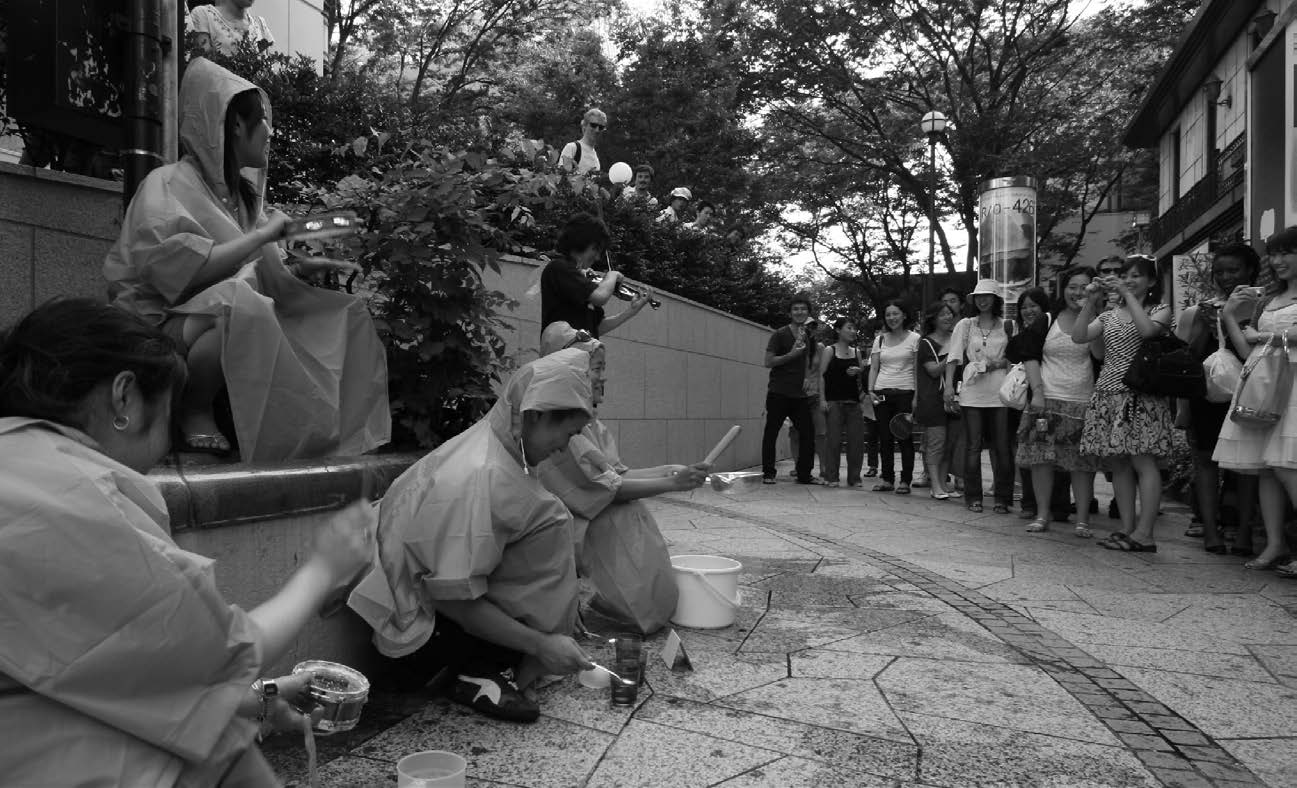
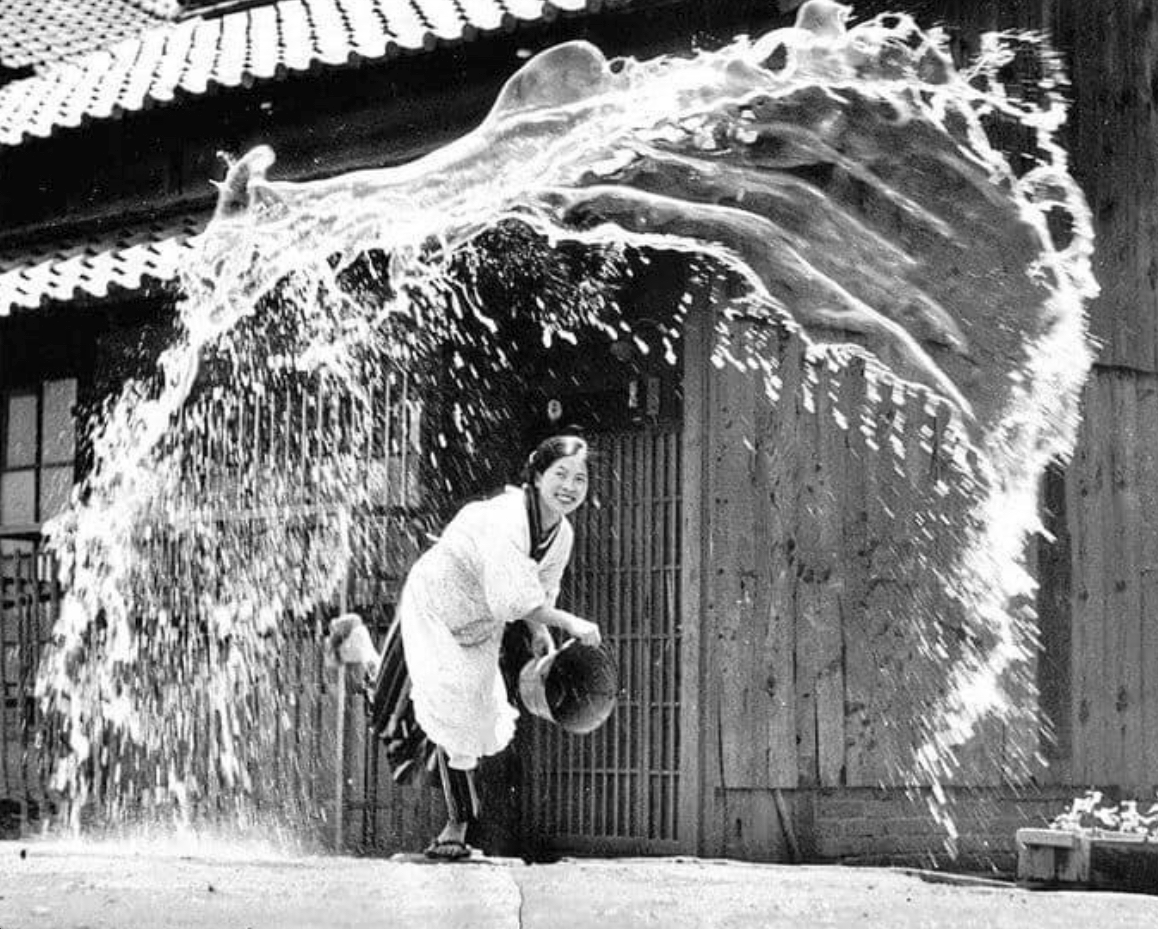
Uchimizu is a traditional Japanese custom more frequently found in cities, of sprinkling water in front of the entrance to a home or in front of shops to help keep dust settled and cool the air especially in the summer months. It is also a courtesy for people passing on the sidewalk. This ritual is usually performed with a bucket of water and a ladle for sprinkling. Less commonly thought of for its literal meaning of uchi- “to hit” and -mizu “water,” our group demonstrated uchimizu as a musical performance via the hitting of the bucket and the scattering of water.

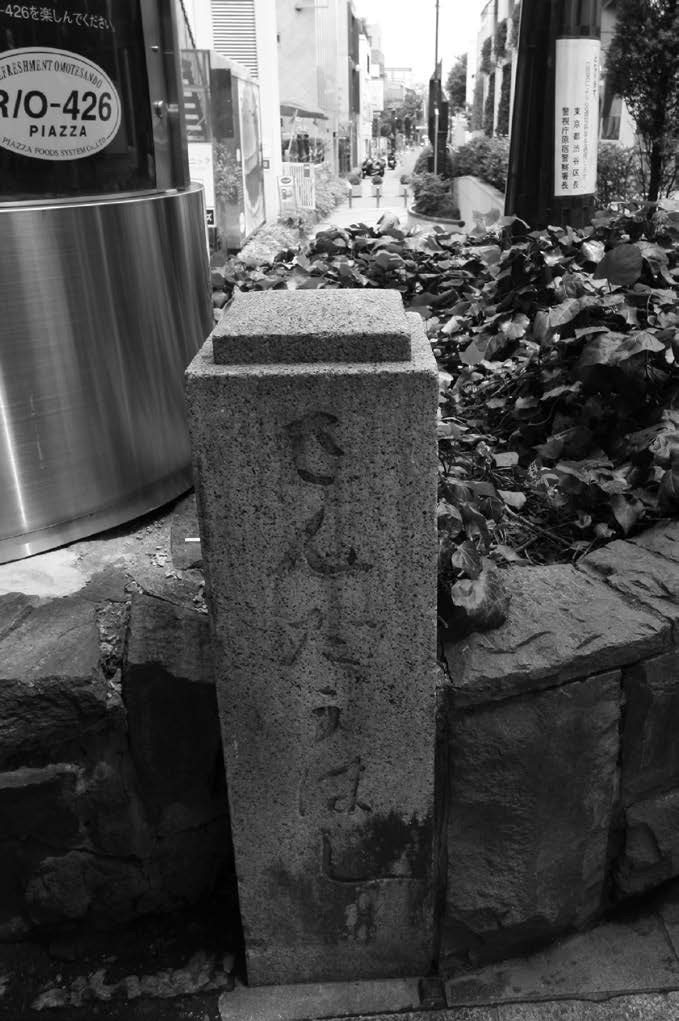
Today at Omotesando, a koban or small police-stand and a few roadside shrines are the sole remnants of a traditional cityscape now transformed to an ultra modernized street. Uchimizu has been replaced by the steady flow of supercooled AC air pouring out of the open storefronts of high-end retailers. Former streetscapes have been paved over. What was once a stream running through Omotesando is now hidden from view. The uchimizu performance at this intersection of Omotesando allows us to reintroduce water to the neighborhood and remind the public of the qualities of tradition and time-honored cooling techniques.

Less commonly thought of for its literal meaning of uchi- “to hit” and -mizu “water,” our group demonstrated uchimizu as a musical performance via the hitting of the bucket and the scattering of water.

Scroll right >

“Uchimizu” is a traditional Japanese custom more frequently found in cities, of sprinkling water in front of the entrance to a home or in front of shops to help keep dust settled and cool the air especially in the summer months. It is also a courtesy for people passing on the sidewalk. This ritual is usually performed with a bucket of water and a ladle for sprinkling. Less commonly thought of for its literal meaning of uchi- “to hit” and -mizu “water,” our group demonstrated uchimizu as a musical performance via the hitting of the bucket and the scattering of water.

The uchimizu performance at this intersection of Omotesando allows us to reintroduce water to the neighborhood and remind the public of the qualities of tradition and time-honored cooling techniques.

Scroll right >

Today at Omotesando, a koban or small police-stand and a few roadside shrines are the sole remnants of a traditional cityscape now transformed to an ultra modernized street. Uchimizu has been replaced by the steady flow of supercooled AC air pouring out of the open storefronts of high-end retailers. Former streetscapes have been paved over. What was once a stream running through Omotesando is now hidden from view. The uchimizu performance at this intersection of Omotesando allows us to reintroduce water to the neighborhood and remind the public of the qualities of tradition and time-honored cooling techniques.

Uchimizu c.1950's
Hidden Senses

Scroll right >

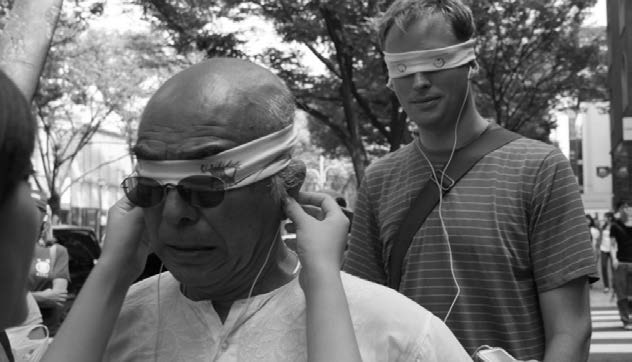
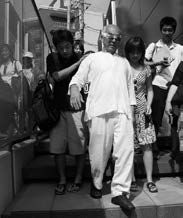
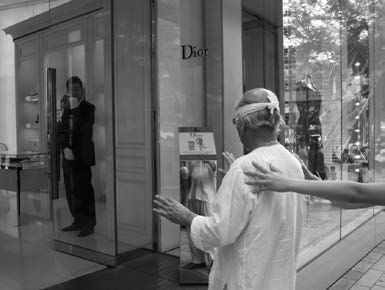
The visual glamour at Omotesando is so overwhelming at times that much of the subtleties of the place are lost. Going off the main boulevard for example there is a noticeable transition walking downslope into a dense fabric of the residential neighborhood. There, it feels gradually warmer as you move further away from the coolness of a shaded Omotesando and the chilled air spilling out of the air conditioned boutiques. Our idea was to isolate the senses that make you aware of these nuances in these juxtaposed microclimate zones.

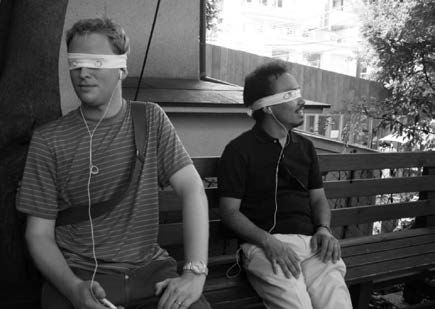
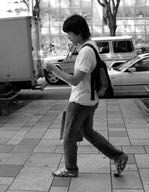
Our demonstration and public performance took the form of having people blindfolded and shutting out ambient noise by inserting ear-plugs. You would then experience Omotesando through other tactile senses. Your feet will trace changes in the ground plane - the area’s topography, feel the pavement textures, and the enormous temperature swings as you move through the crowd or pass by a storefront entry. You may even notice the natural breeze blowing through the cross streets, bringing a natural refreshing moment and also giving a sense of orientation, a sense of knowing where you are albeit with a blindfold.

Hatena...? good gracious! what the … is going on here?” We want to answer the question by feeling the environment. Hatena is not a question that can only be answered by urban signage and crowd behavior but a question that can be perceived by palpable sensations.

Omotesando is an overwhelming street, packed with super boutiques and super architecture. It feels like walking through a fashion and architecture museum. The visual aspect of all this glamour is so dominating that much of the subtleties of the place are lost. Going off the wide main street characterized by its shading green boulevard of keyaki trees and a continuous guardrail or bench at the sidewalk edge, you will find an interesting maze of smaller streets on either side.

This transition is amplified by the changing ground level going down from the linear shopping avenue into the dense fabric of the neighborhood. There, it feels to get gradually warmer as you move further away from the coolness provided by the shades of Omotesando trees and the whirring air conditioners serving the boutiques.

Traces of Ribbon

Scroll right >

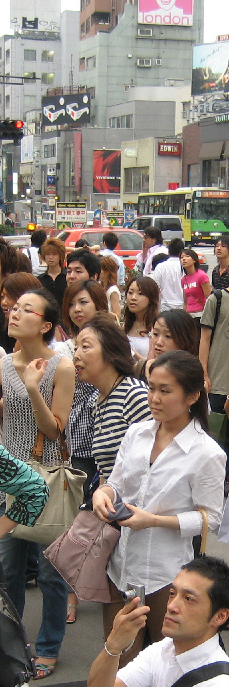
Of the countless attractions, intricacies and eye-candy galore found within the myriad world of Omotesando, we seldom paused to recognize the faces in the throng. “Where are these people coming from?” “Did you see that person who just walked by?“ How to recognize and call attention to this phenomena are taken for granted.

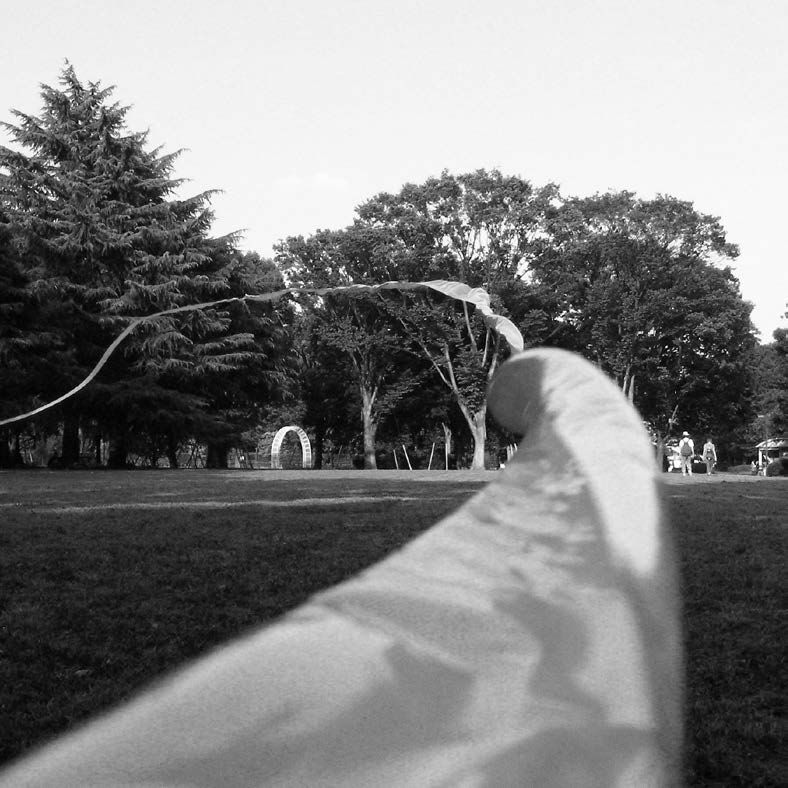
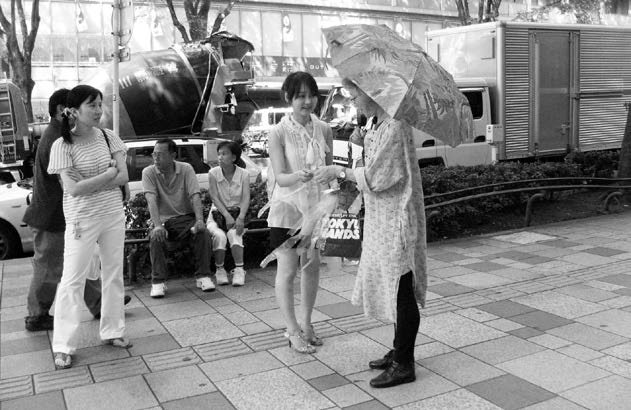
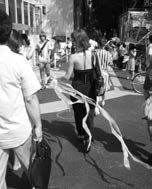
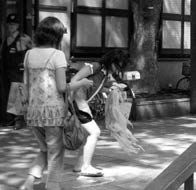
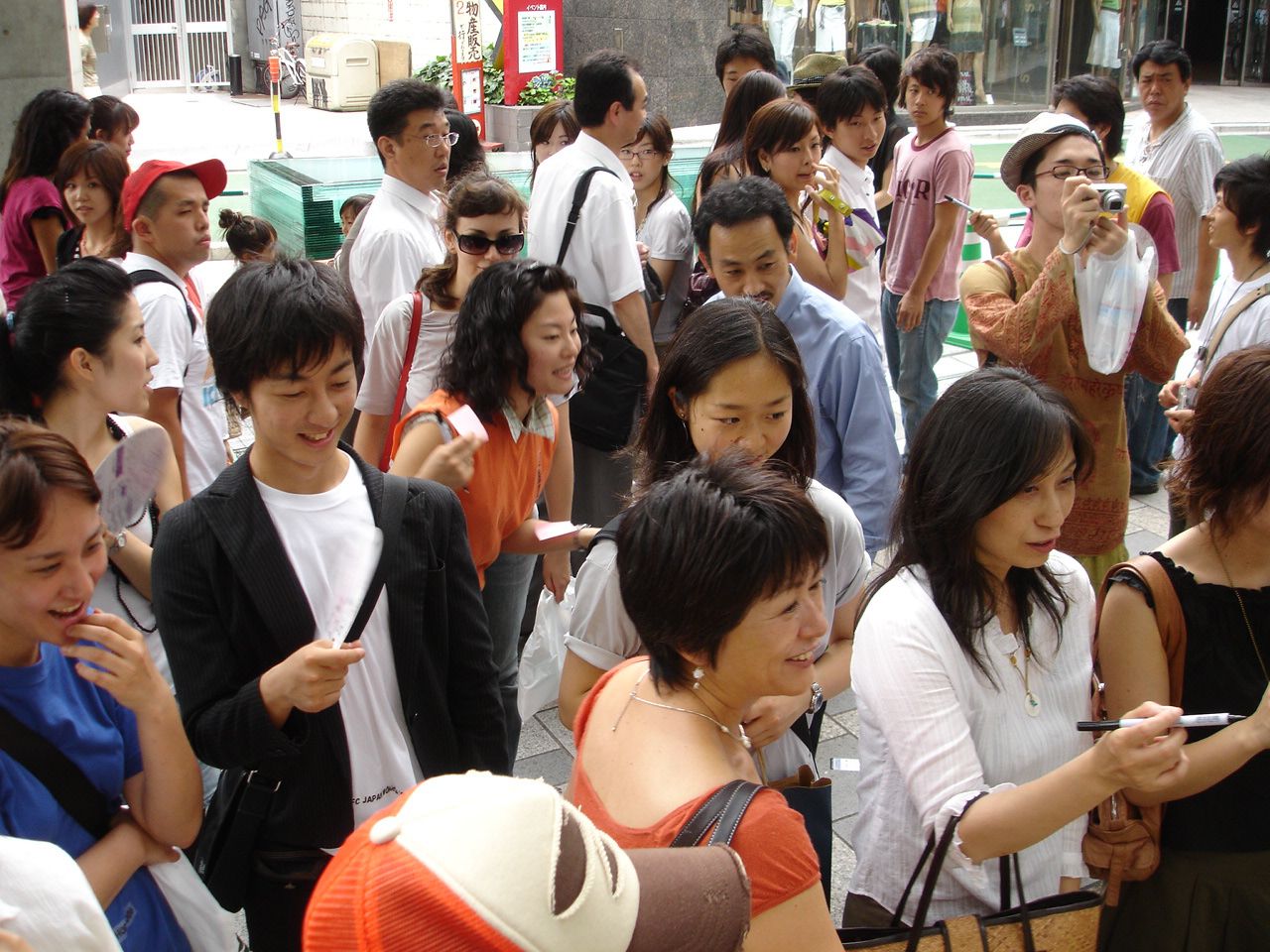
Traces of Ribbon is a performance with our team members standing at different points along Omotesando with a different color ribbon, handing them out to random pedestrians coming along the sidewalk. After a while, traceries of people with handheld ribbons were seen at various locations on Omotesando.

People carrying one or sometimes multiple ribbons, multiple colors from multiple places, suddenly felt a commonality with the stranger next to them. As each of the last ribbons were distributed, we gathered in front of Omotesando Hills and watched with delight the celebration of the performance crossing paths, entering stores, here and there at this public gathering street called Omotesando.

Of the countless attractions, intricacies and eye-candy galore found within the myriad world of Omotesando, we often did not notice the people walking the streets and alleys of this place.

Scroll right >

Traces of Ribbon is a performance that positions our team members to stand at different points along Omotesando: at a sidewalk shrine, at the previously existing river, at the intersection of Meiji-dori, at the subway entrance, and in front of the Dior store. With a different color ribbon at each location, we handed them out to random pedestrians coming along the sidewalk. After a while, traceries of people with handheld ribbons were seen at various places on Omotesando. People carrying one or sometimes multiple ribbons, multiple colors from multiple places, suddenly felt a commonality with the stranger next to them. As each of the last ribbons were distributed, we gathered in front of Omotesando Hills and watched with delight the celebration of the performance crossing paths, entering stores, here and there at this public gathering street called Omotesando.

Absorbed and bombarded by the intriguing visual enticements of marketed goods and curious architectural decoration we seldom paused to recognize all the faces in the throng.

"Where are these people coming from?" "Did you see that person who just walked by?" How to recognize and call attention to these phenomena which are taken for granted.

Ice Journey

Scroll right >

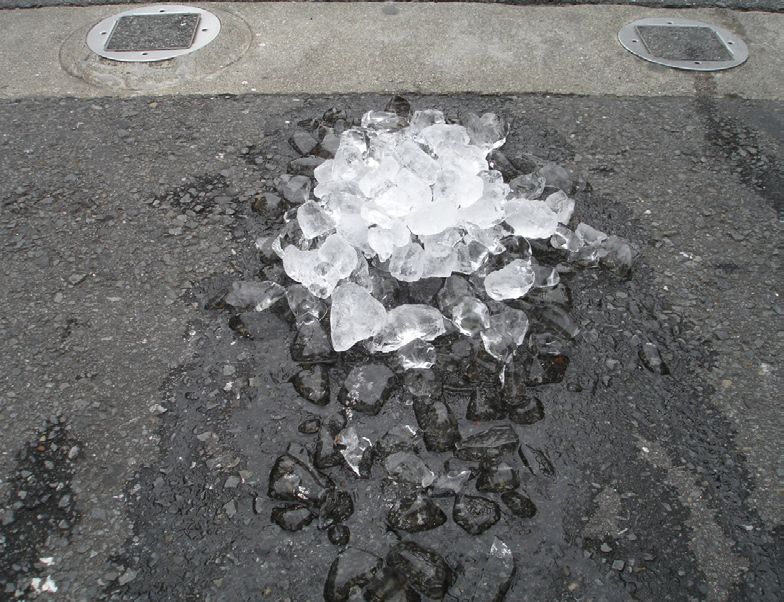
There were small water routes alongside many of the alleys off the main street of Omotesando. Today, most have been paved over and out of sight, forgotten. Due to real estate development demands, these water channels obstructed vehicular access and increased commercial flow of goods and shoppers. At some locations, when you spot a manhole cover, take your ear close to it, one can still hear the sound of water flowing below ground.

We want to suggest a different way of visualizing the relationship between Omotesando’s urbanized cityscape and the natural landscape of its past environment. We would like to remind the modern visitor to the memory its former landscape and the memory of the water’s presence.

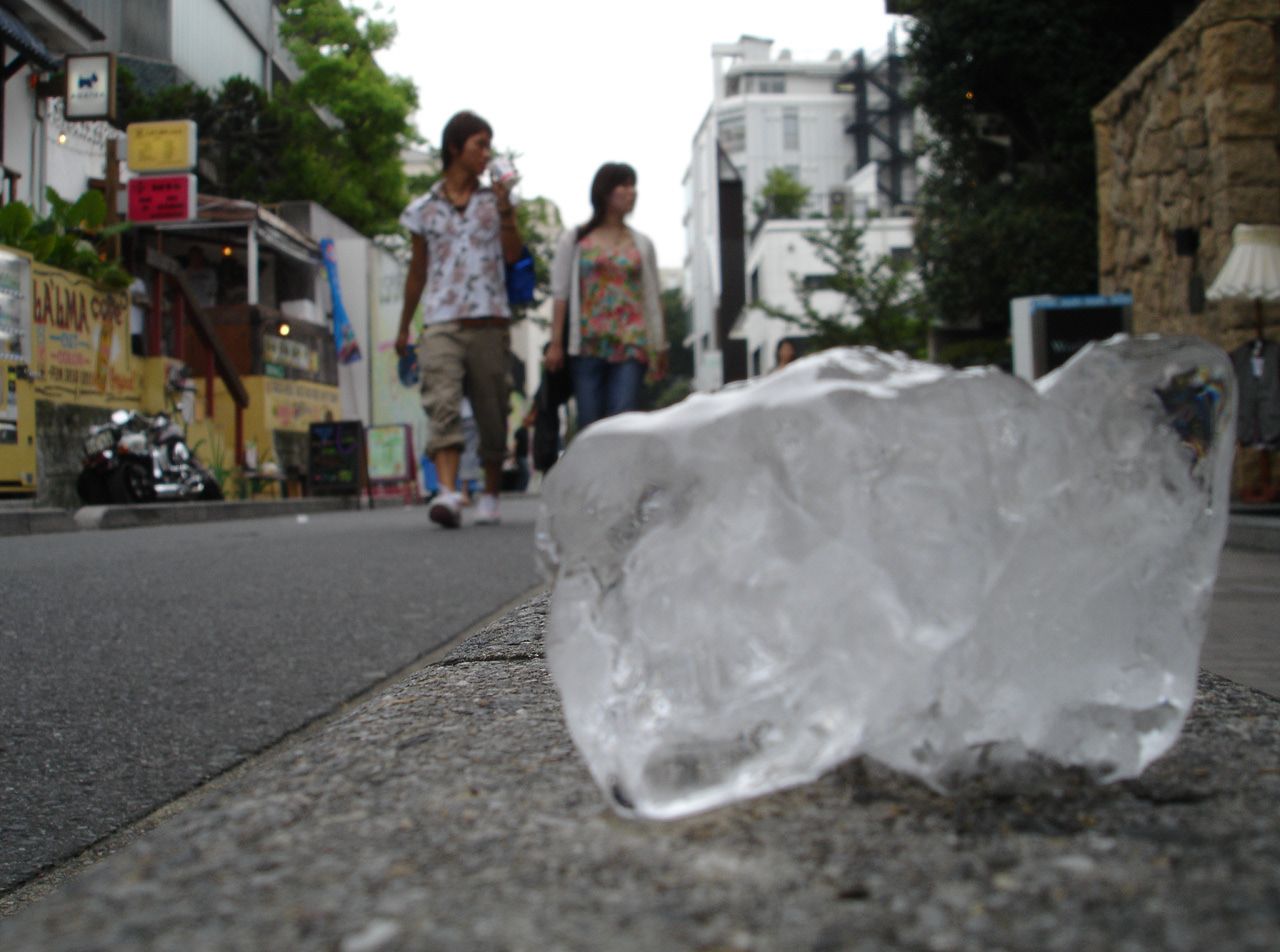
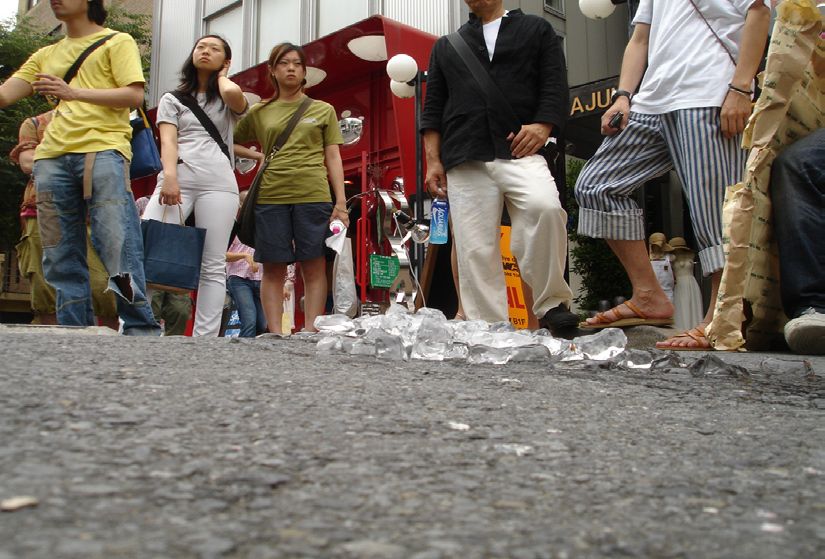
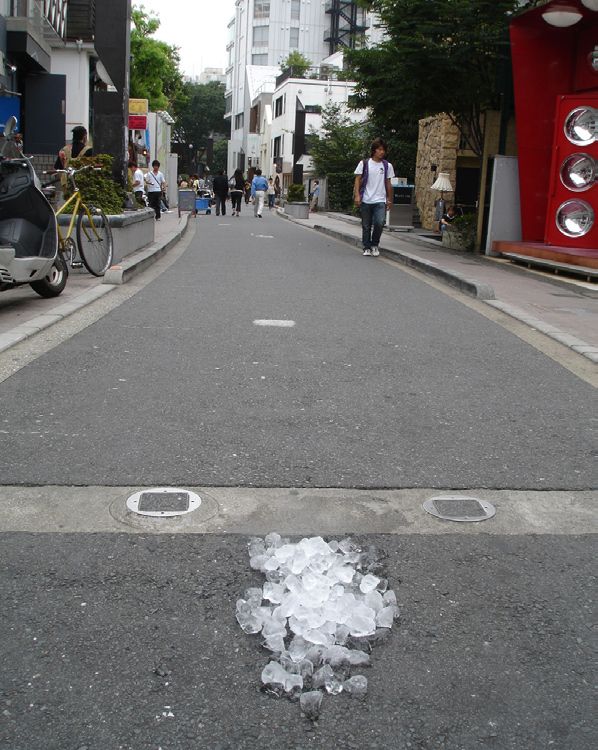
Chunks of ice cubes are introduced as a catalyst to represent the flowing water and to recreate the waterways. Passers-by are given a handful of small ice cubes. They are then asked to walk from Omotesando into the alleys while slowly moving the ice cubes with their feet. People are led along a particular route, stopping or changing course following the slope and direction. At certain junctures along the path, they stop and the ice cubes are gathered. In this way, they simulate the past. The storefront gaze is directed now to that of the ground.

It was July, at the height of Tokyo’s hot and humid season. The introduction of this performance of "Ice Journey" especially in the concentrated commercial world of Omotesando got a lot of attention. We reminded ourselves of the intimacy of water in our daily environment and the importance of this increasingly invisible infrastructure which lies quietly below our feet.

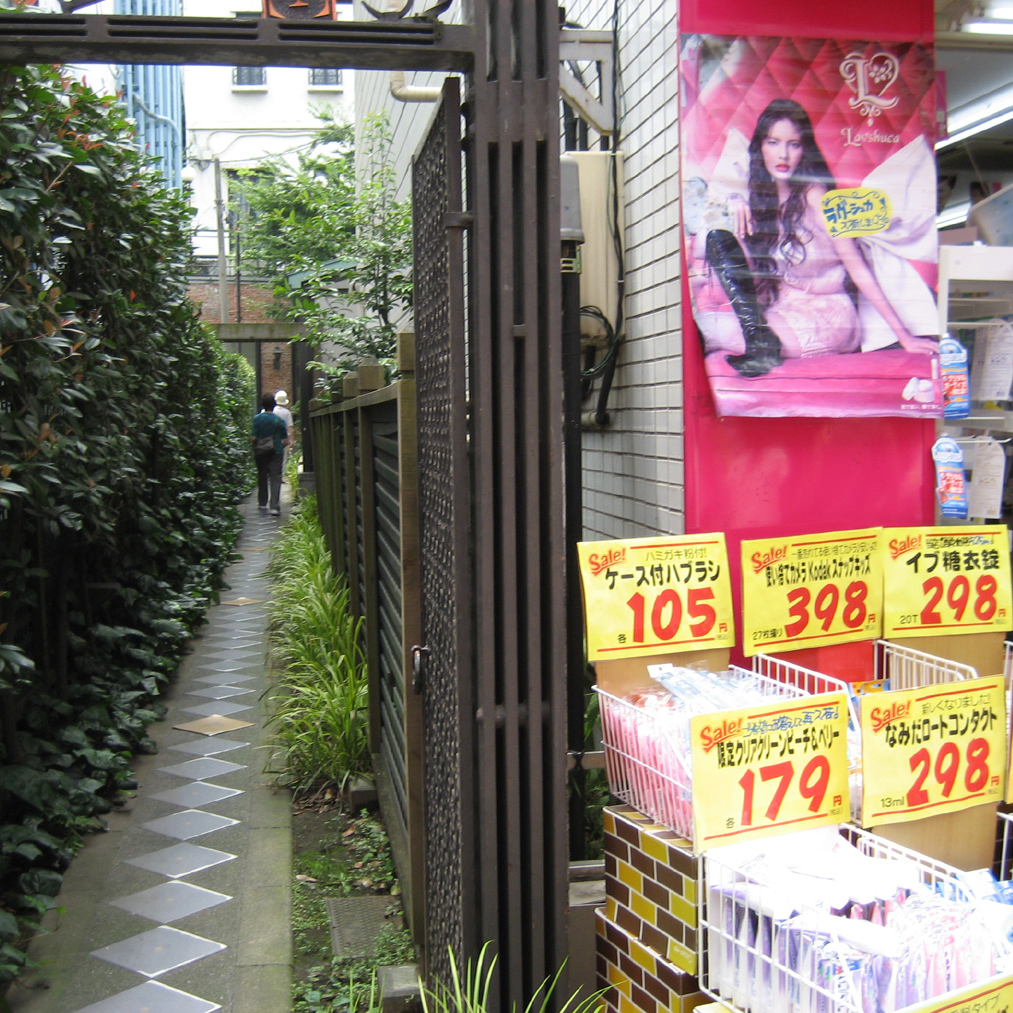
We focused on the serpentine alleys which wander through and define the blocks of this special site.

After a long time, the shape of the alleys and built environment somehow reflect and represent the natural physical shape of the Omotesando area. The alleys are like sleeping rivers in the city.

The project is to use small ice cubes as catalyst to represent the water and recreate the rivers. Every member of the workshop is given two to three small ice cubes. The rule is to ask the members to walk from the main road into the alleys and kick the ice along the ground at the same time. Members are led along a particular route then stop at a certain place where the slope of the alley starts to change dramatically and the ice cubes are gathered at this point as well.

The workshop was in the July and the temperature was high in the city. Using ice cubes to create an ice journey in the city is a more childishness approach to the serious issue of nature in the urban environment.

Closing Questions

“Where are these people coming from?”


“Did you see that person who just walked by?“


“What the… is going on here?”

Tokyo Participants by Year

2003

  • Elizabeth Burow MArch Danny Chan MArch
  • Kwan Yue Chan MArch

2004

  • Florian Urban Ph.D., Berlin

2008

  • Ekachai Patamasattayasonthi MArch

At My Feet

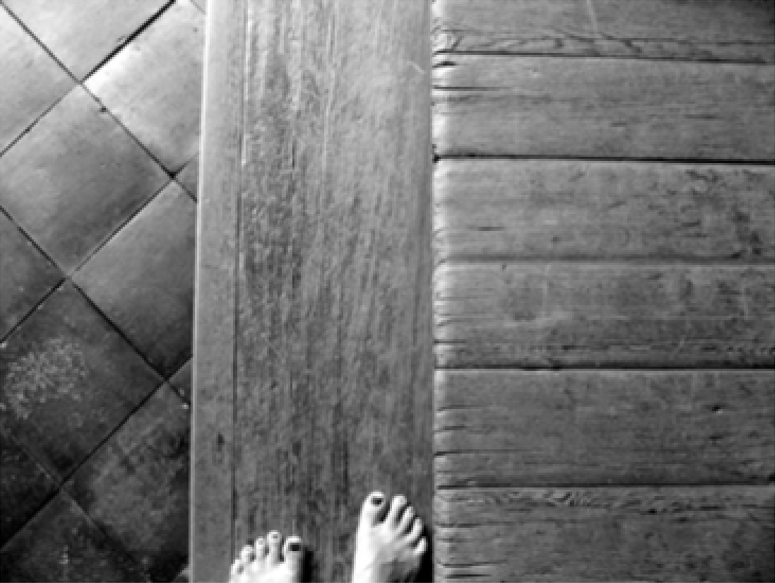
And why did I end up taking so many pictures of my feet, anyway? Are there that many more details within the footscape of Japan compared to other places I have been?
~JDW Student 2008

End of Books

Japan Design Workshop