Tane 田根里山

1990 1999 2001 2002 2003 2004 2005 2006 2007 2008 2009 2010 2011 2012 2013 2014 2016

Basis of JDW Projects in Tane 田根:

Japan Design Workshop's Guiding Inquiry for Projects in Tane:
Genius Loci of Satoyama 里山文化と原風景

CONTINUITY
Satoyama is timeless and enduring
Farming culture of rice production is disappearing
Forestry is a local economic base
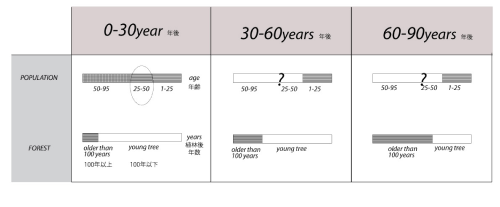
Depopulation, advanced age of longtime residents
Abandoned homes, disappearing Villages

TRANSFORMATION
Immigration of younger population and lifestyle
Alternatives to monocultural economic base
Strategies for coexisting with the encroaching/returning wildlife: monkeys, boars

JDW AGENDA
Operating as advocates and catalytic agents for envisioning in situ
Envisioning potentials and futures for Tane
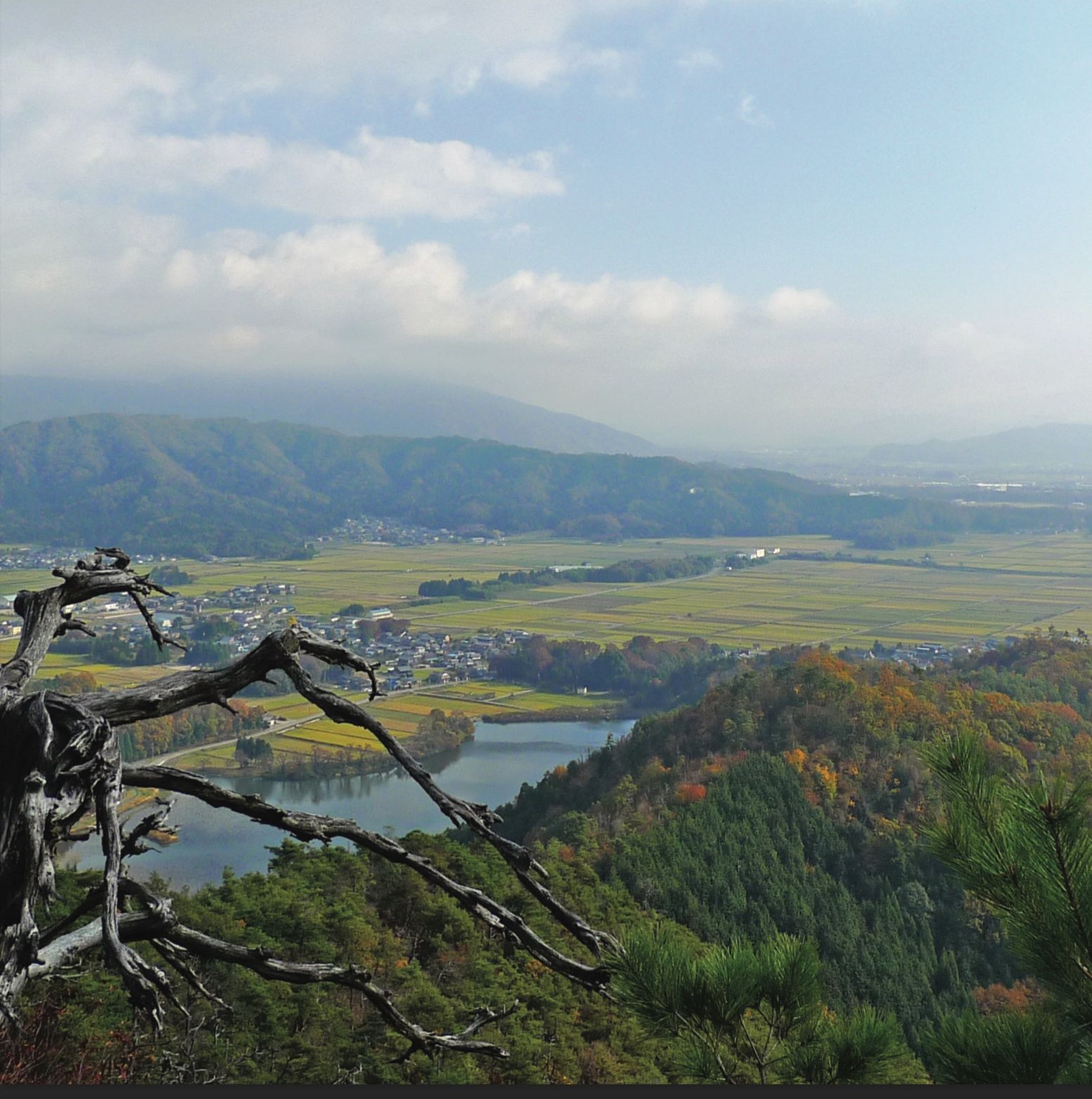
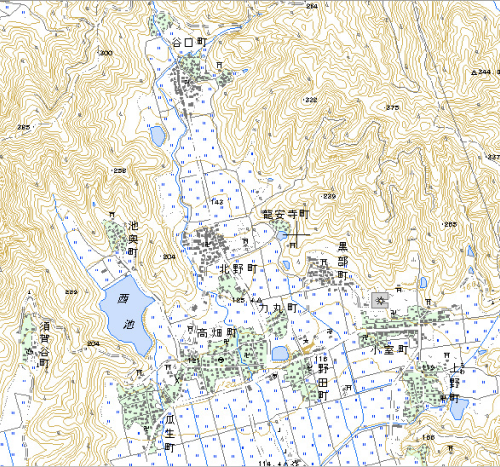
Genius Loci

Concept of Satoyama

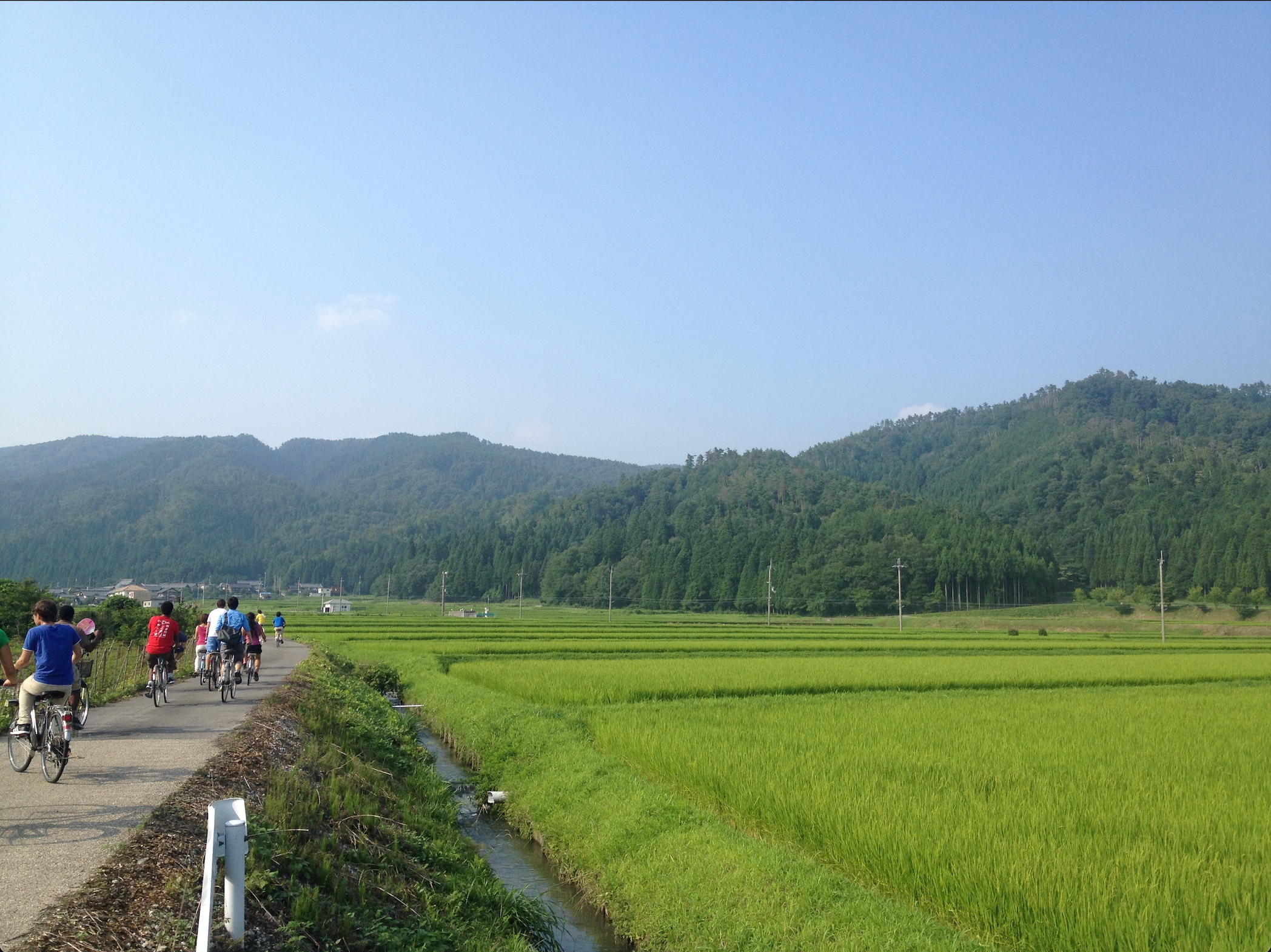
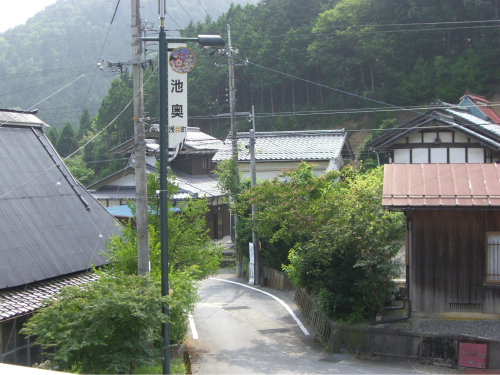
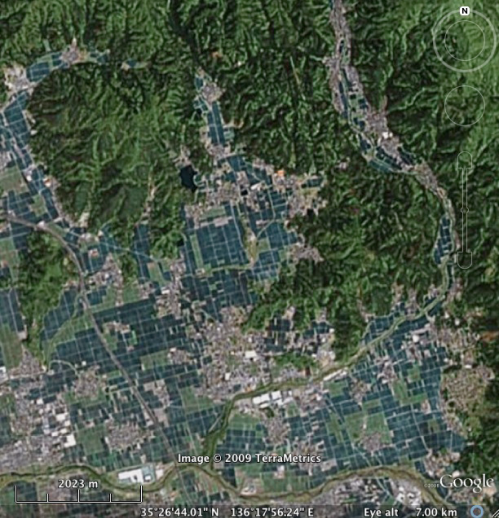
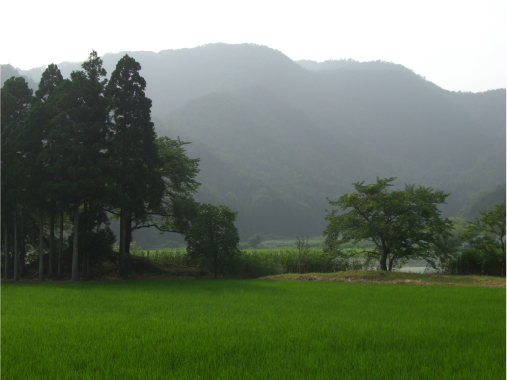
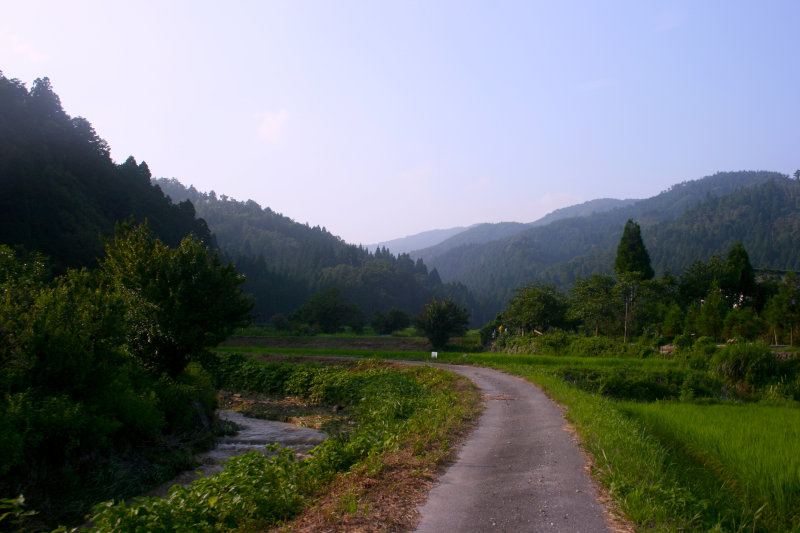
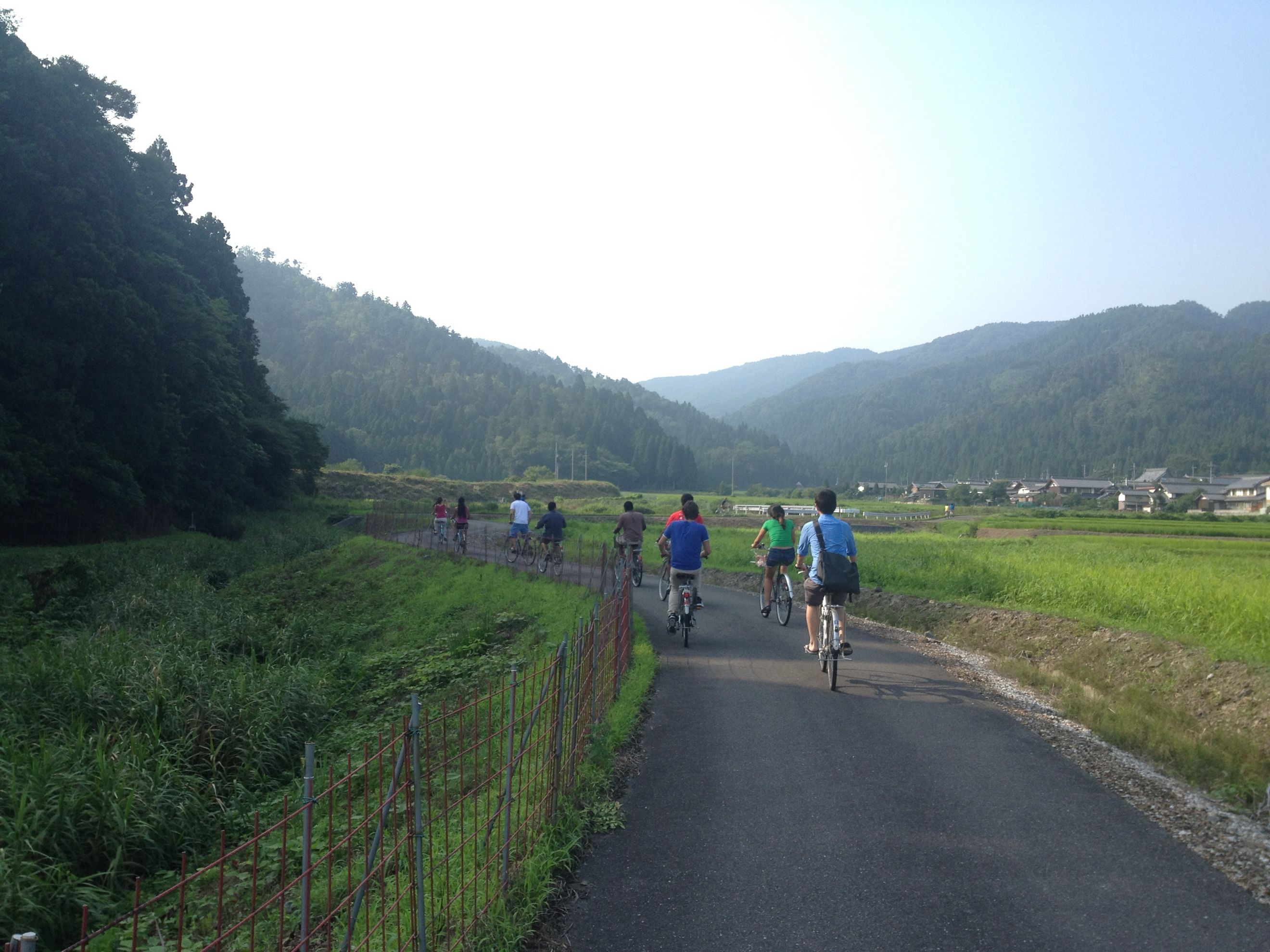
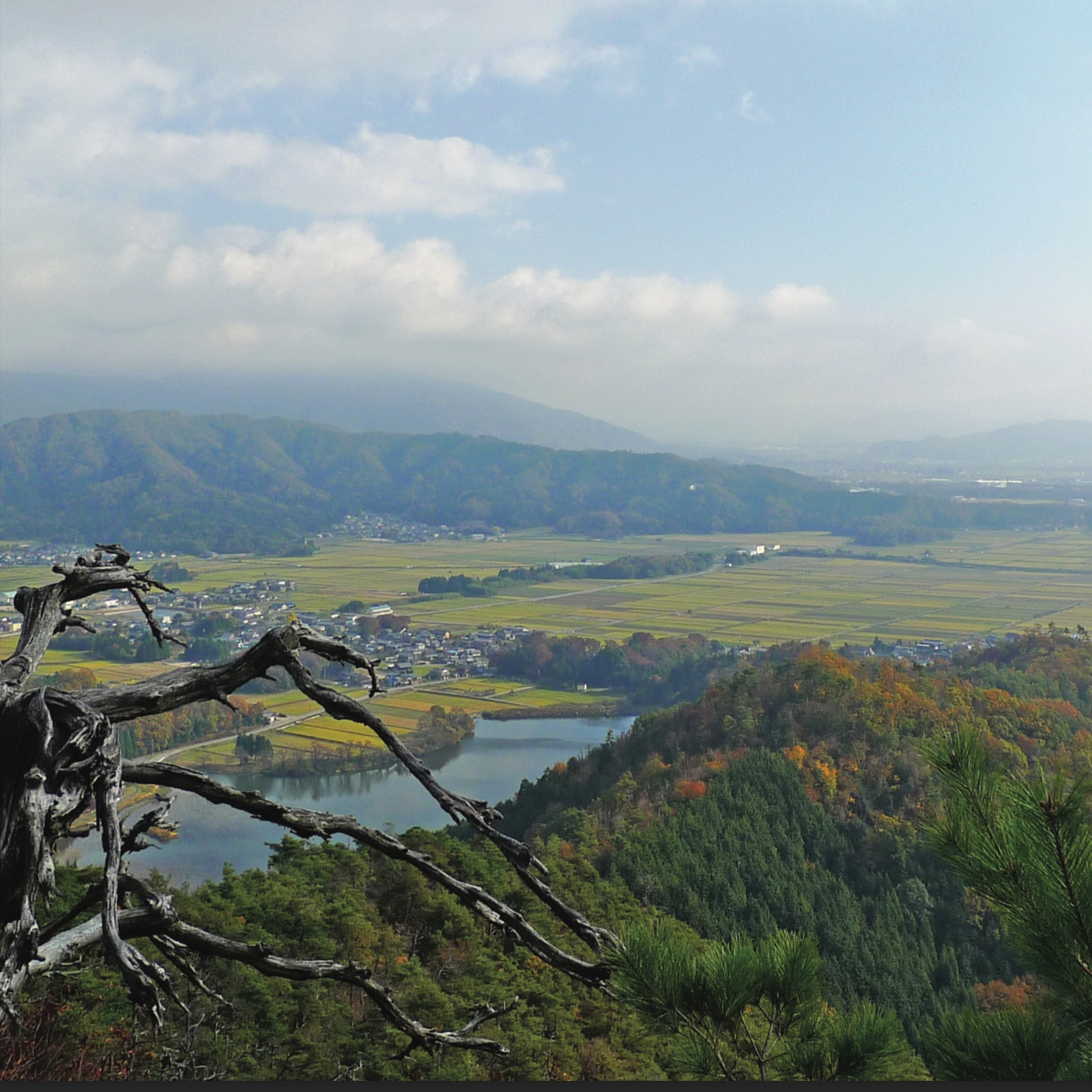
View of Tane's villages

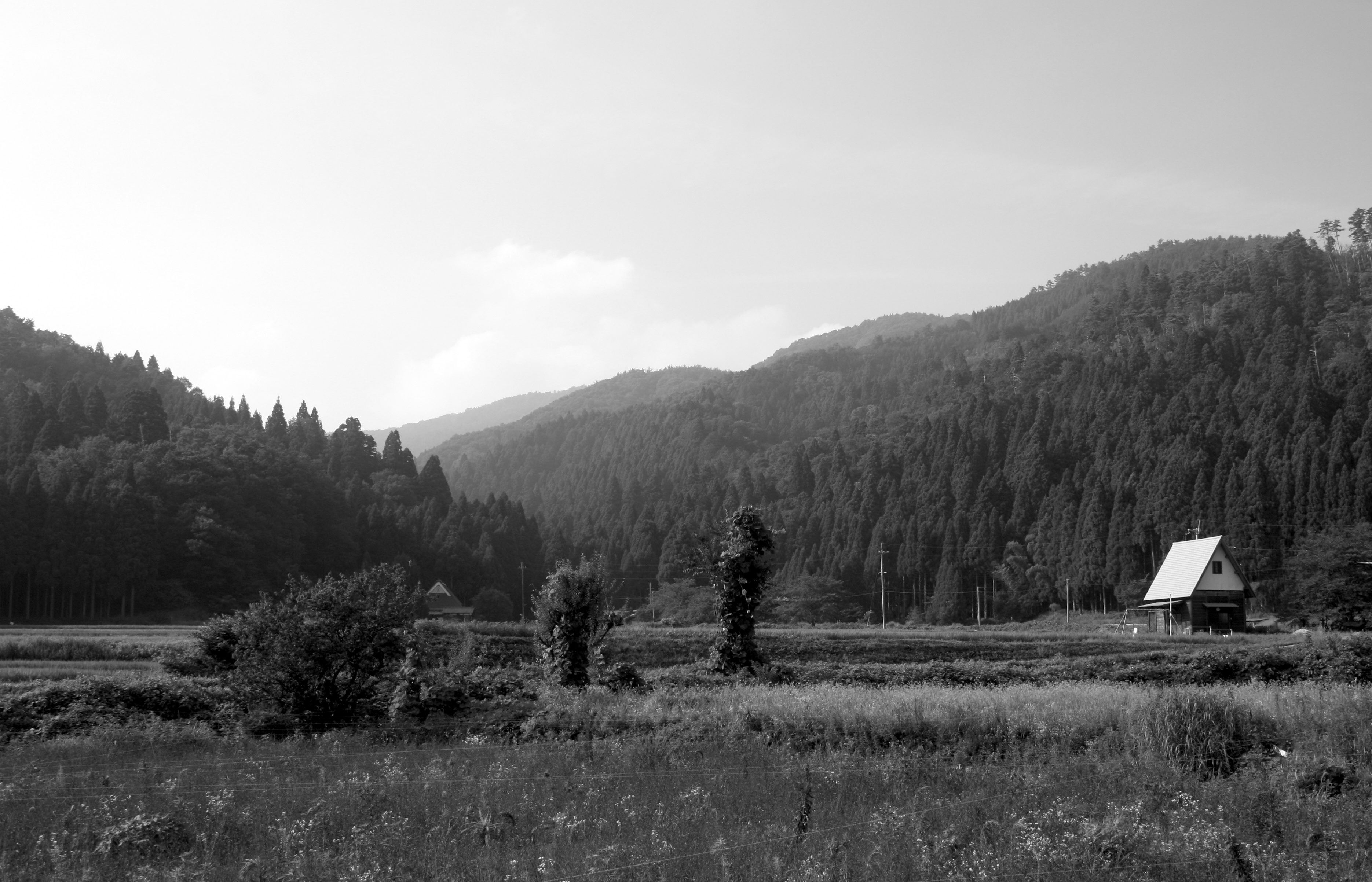
Satoyama signifies the traditional homeland found throughout Japan — the genius loci embedded in the mountain, water and field. Satoyama defined the typical agricultural typology for hundreds of years all through Japan. Some attribute Japan's silent team-like cooperative conscience to this inherent genius loci.

Caption?

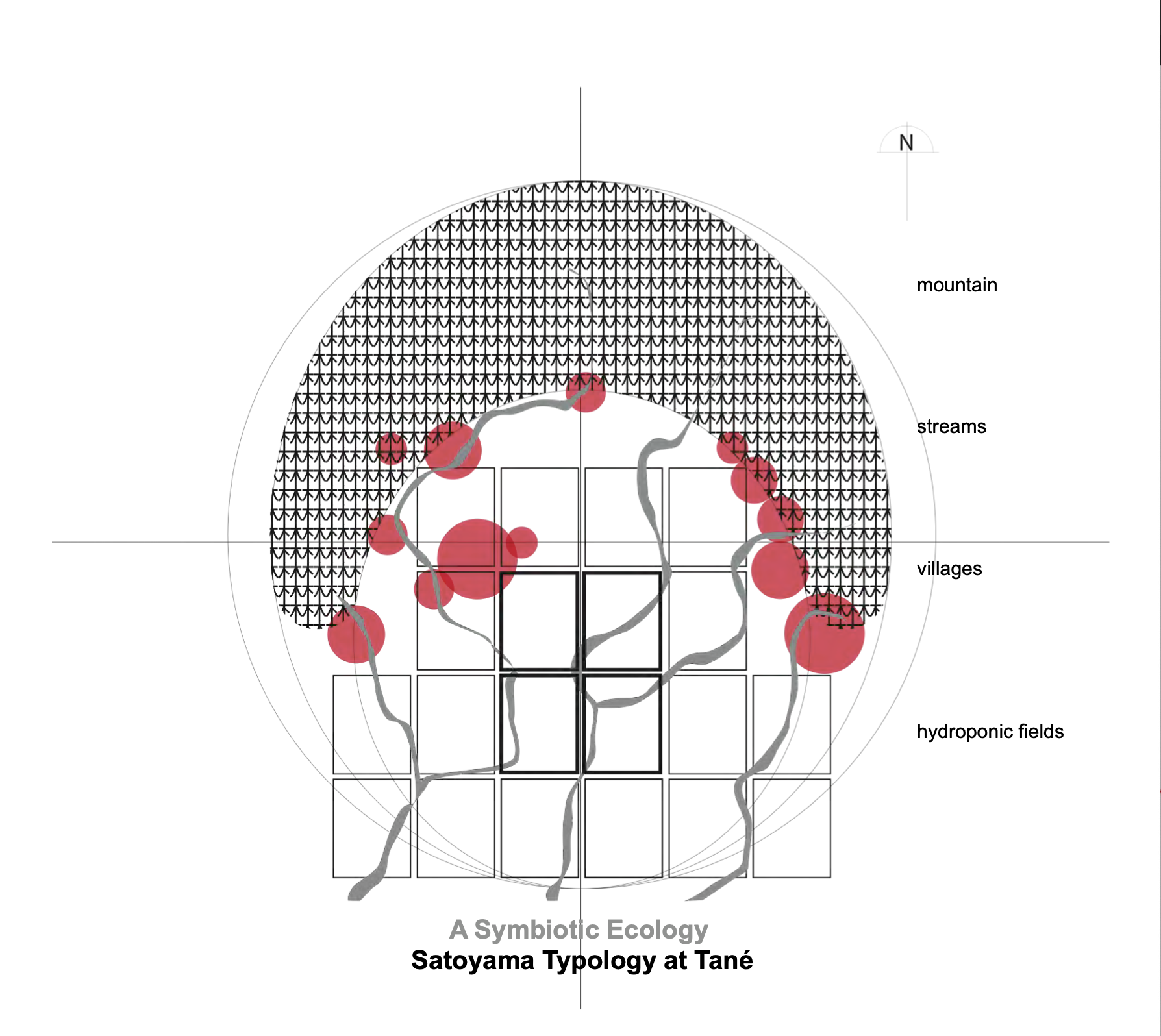
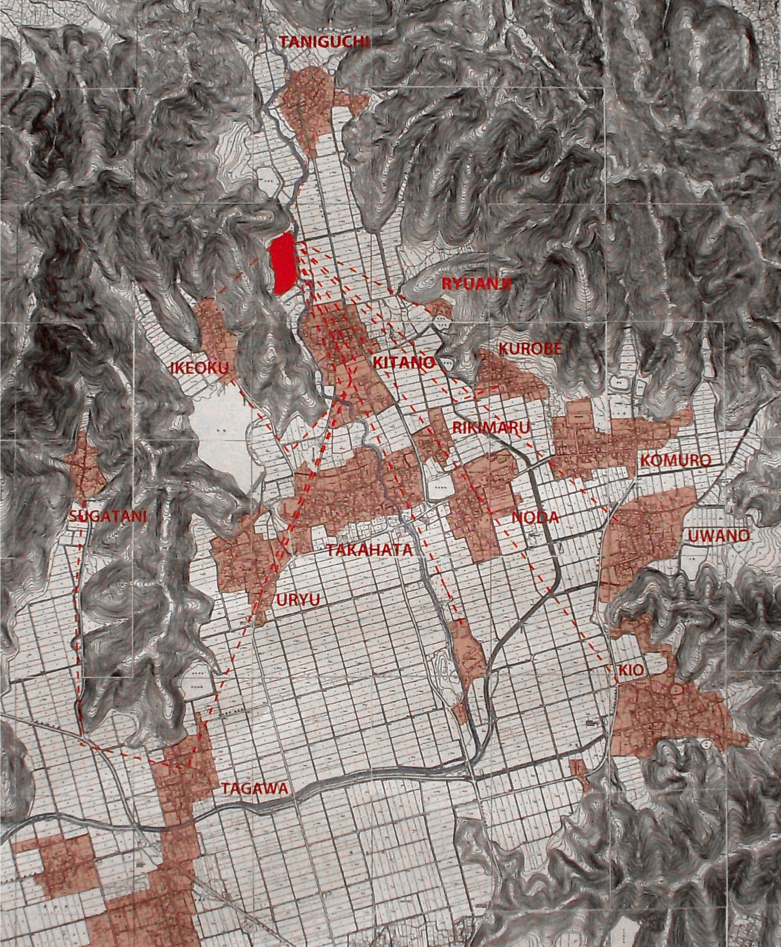
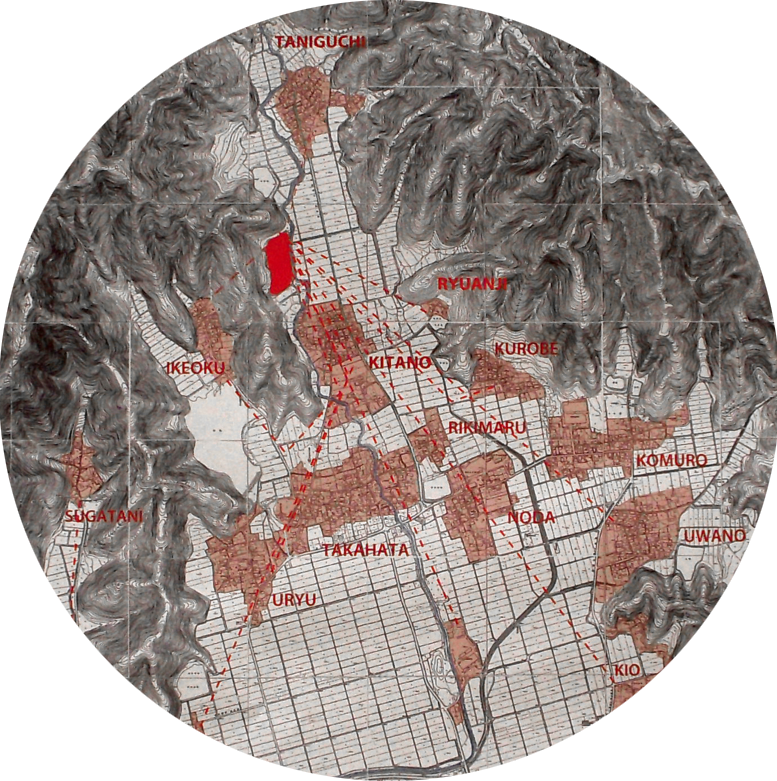
Villages typically existed at the foothills, Takahata at their center. (SK Q: Clarify this sentence)

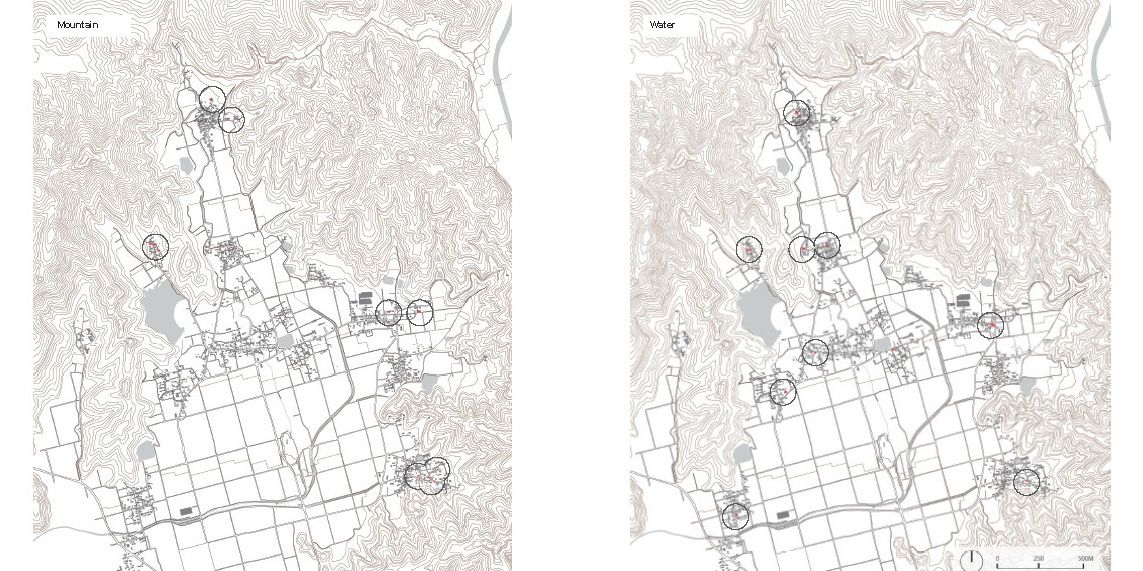
The 13 villages of Tane are woven into the traditional satoyama system, benefitting from surrounding mountain, water, and fields.
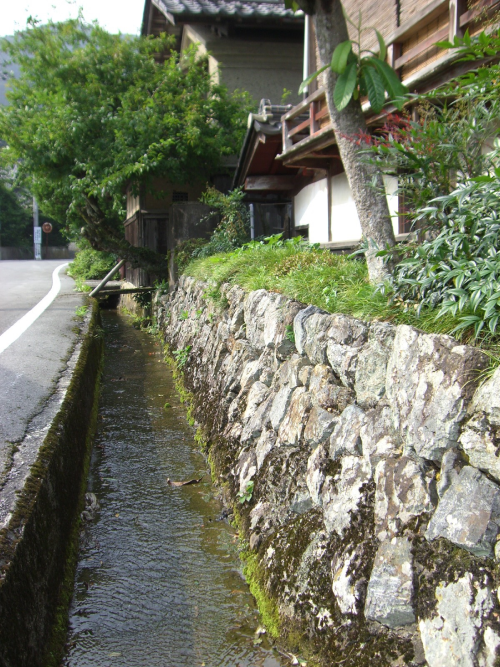
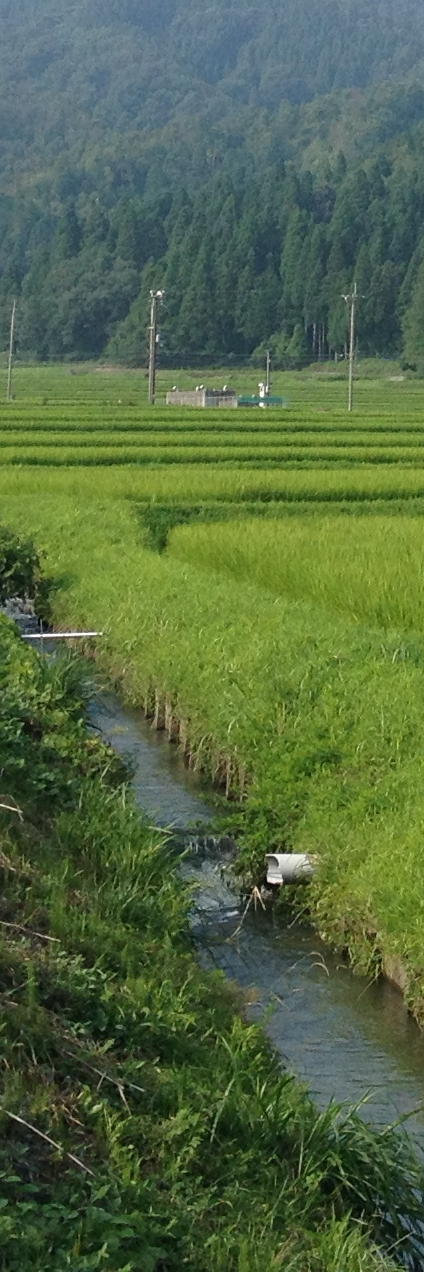
Fourteen villages collectively comprised Tane. Each managed their own field of rice, with shared access to the streams descending from the surrounding mountains. Gently sloped irrigation channels distributed fresh water throughout the terraced rice-fields. Gravity fed with a constant flow.

Rural Settlements Coexisting within the Satoyama

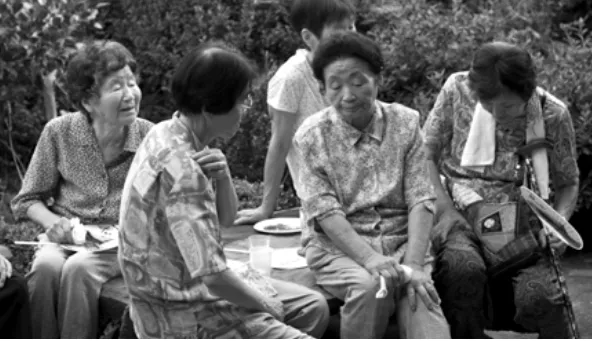
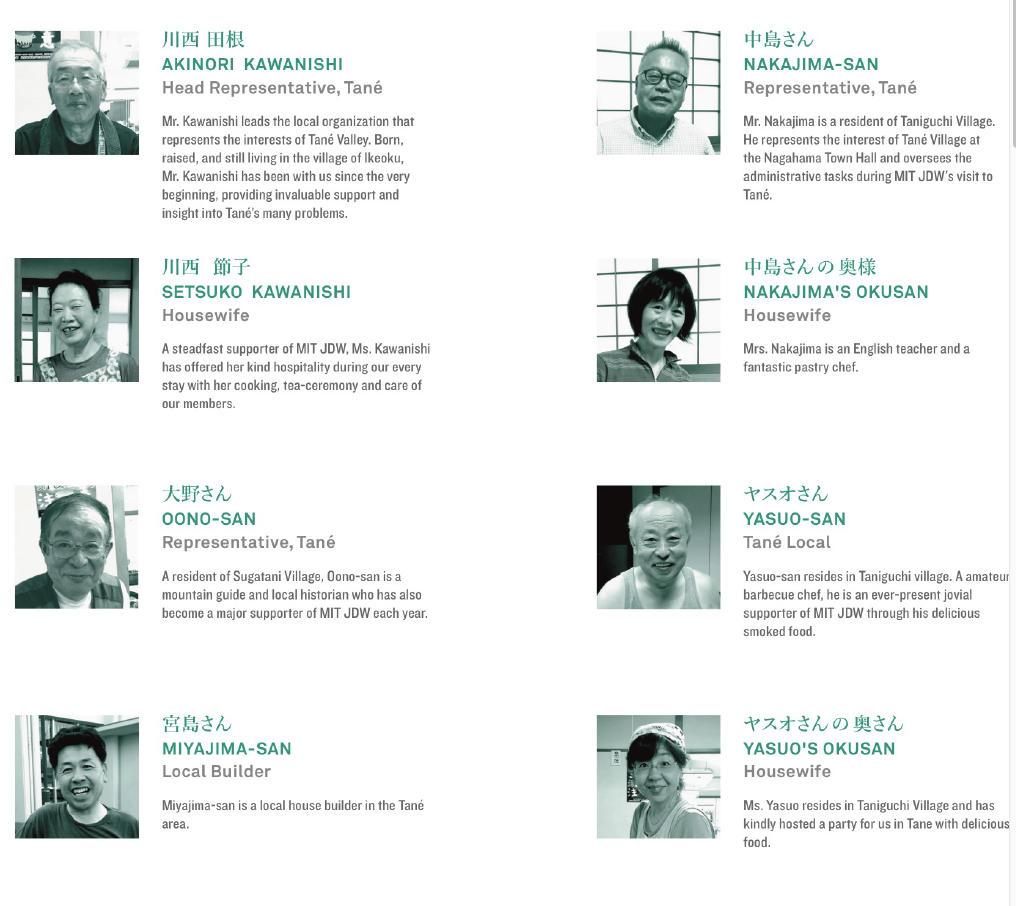
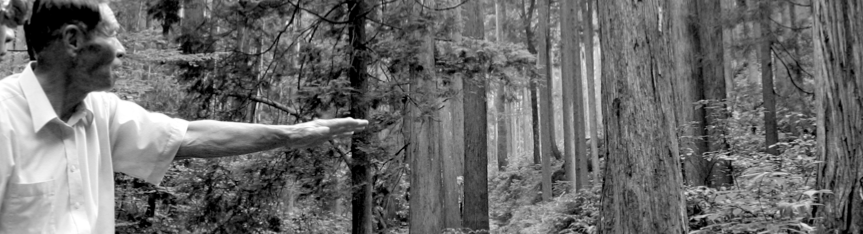
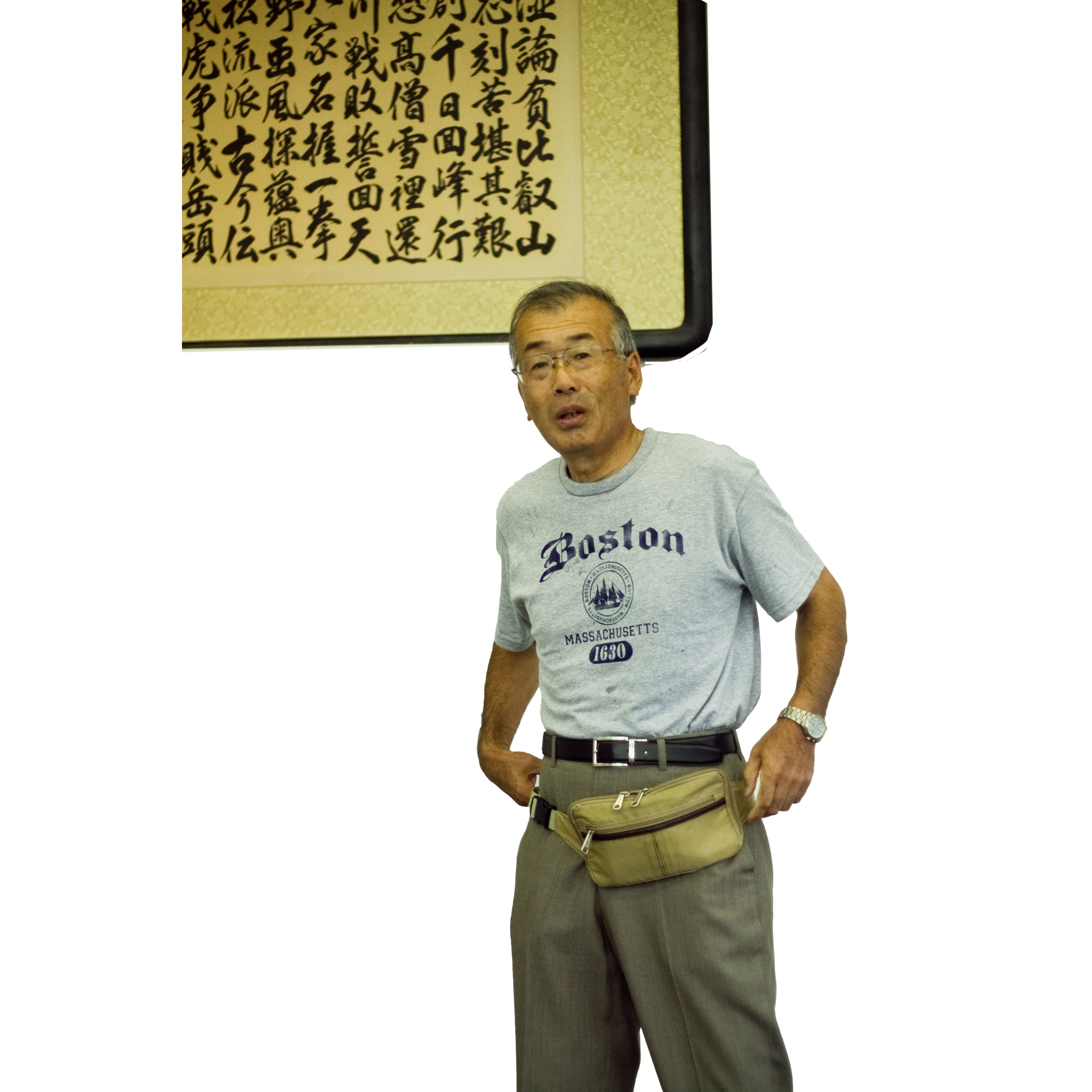
These days, Kawanishi-san, a resident of Tane, is deeply concerned about the future of his satoyama.

Satoyama of Tané

田根 の人々

The Manmade Death of Paradise

Issues of Continuity/Transformation in Traditional Rural Villages

Excerpt from JDW 2016 Book by Ira Winder, Research Scientist, MIT Media Lab

“Though I moved to escape an imminent disaster in Tokyo [in 2011], I knew that Tane itself was going through its own ‘slow disaster’ created by the convergence of aging population and rural emigration.
With every passing year, elements of Tane quietly fade away. Houses become vacant, structures are cleared, and once-occupied sites are reclaimed by forest.
Sometimes only a few bits of concrete and exposed shower tiles glimmering beneath ferns reveal that a plot once accommodated a family home.

If you visit Tane only once, you can understand this concept. However, it is only by visiting Tane multiple times that you can truly feel how this slow-moving disaster plays out...
I am certain that Tane will only continue to change. How do we accommodate this transformation while providing continuity?

My brief stay in Tane was characterized by material simplicity and strong relationships within a small circle of locals.

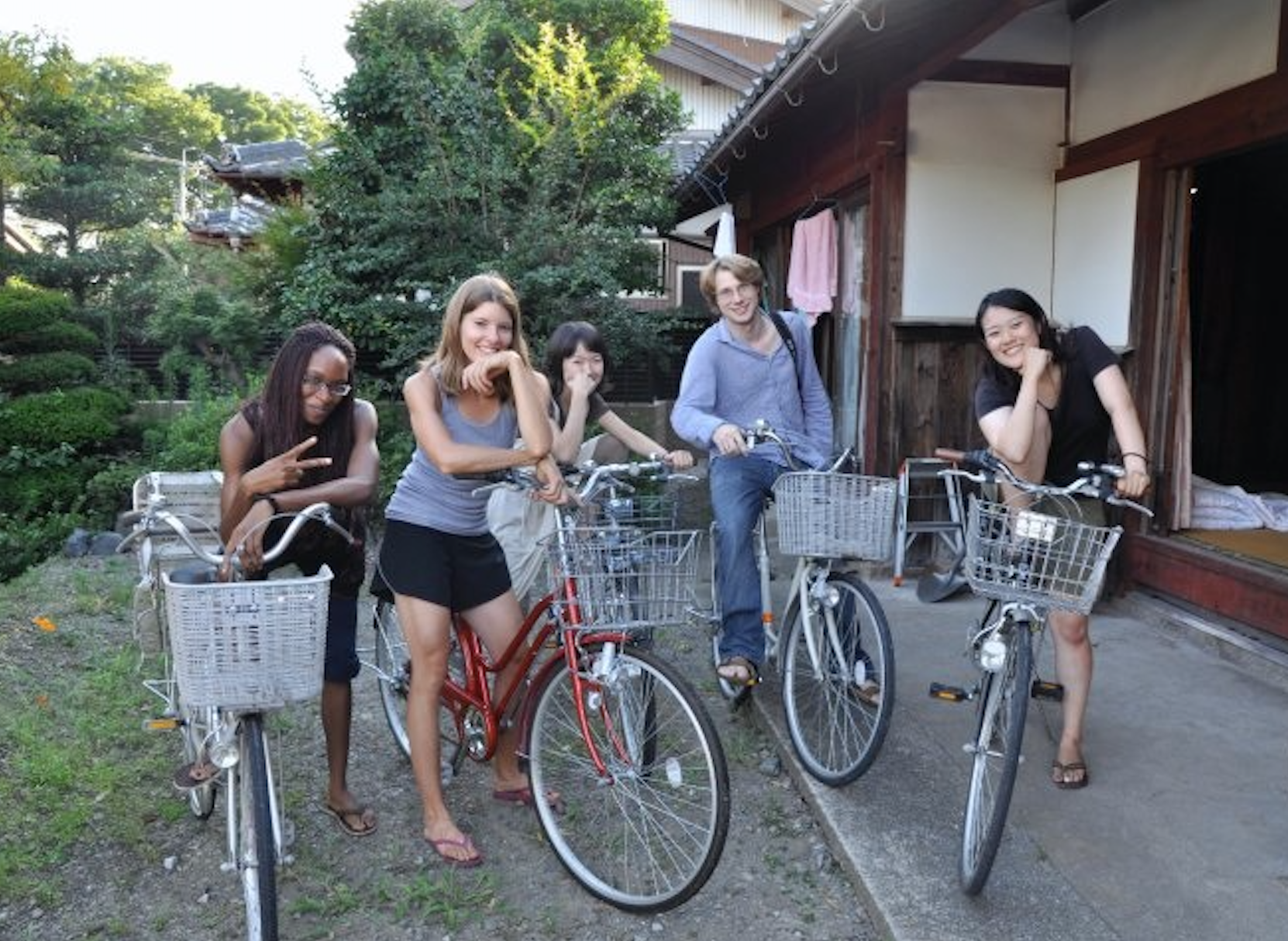
Though I strived to maintain independence and not burden my hosts, my neighbors would regularly go out of their way to supplement my food stocks, lend me bicycles, and invite me as a guest to their homes.

I was inundated with kindness and patience that I do not believe I can ever repay.”

Ira Winder, 2016

"Ta-ne actually means ta is field, ne is roots. So I feel like it's the appropriate place for things to blossom.”

Saving Tane: Japan Design Workshop 2008 - 2014

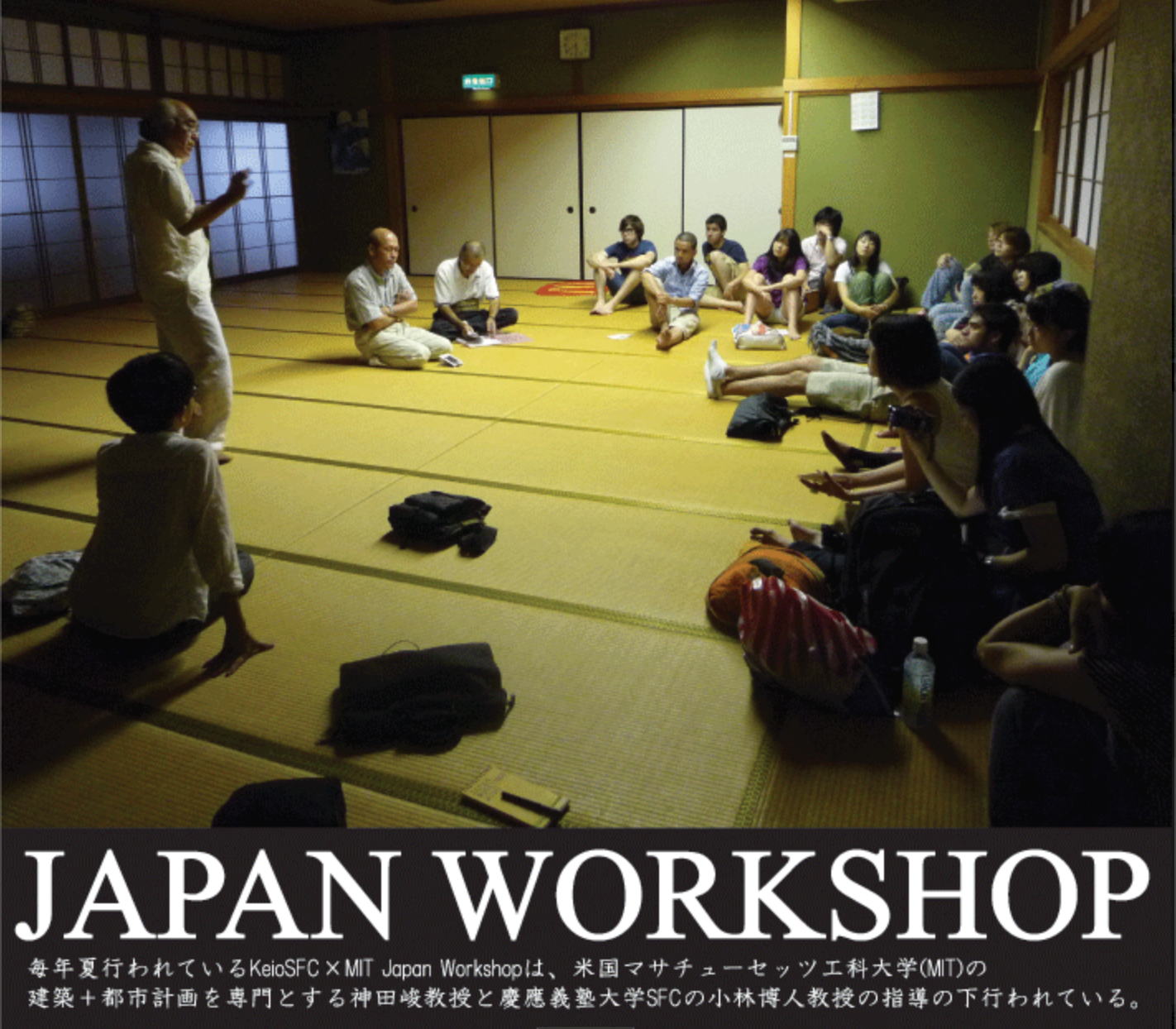
MIT/Keio Joint Tane Charette

MIT Faculty: Shun Kanda
Keio Faculty: Hiroto Kobayashi

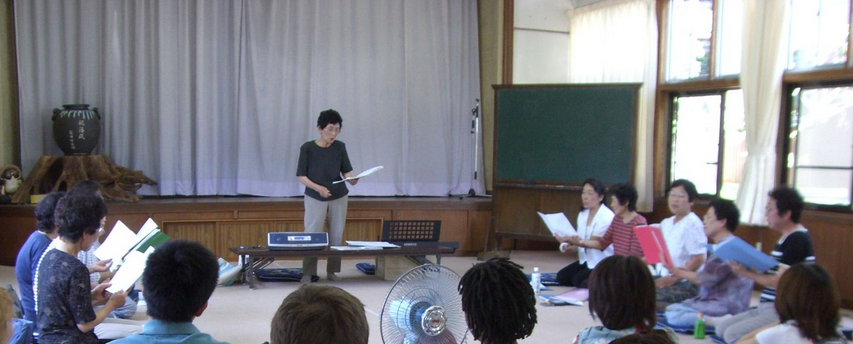
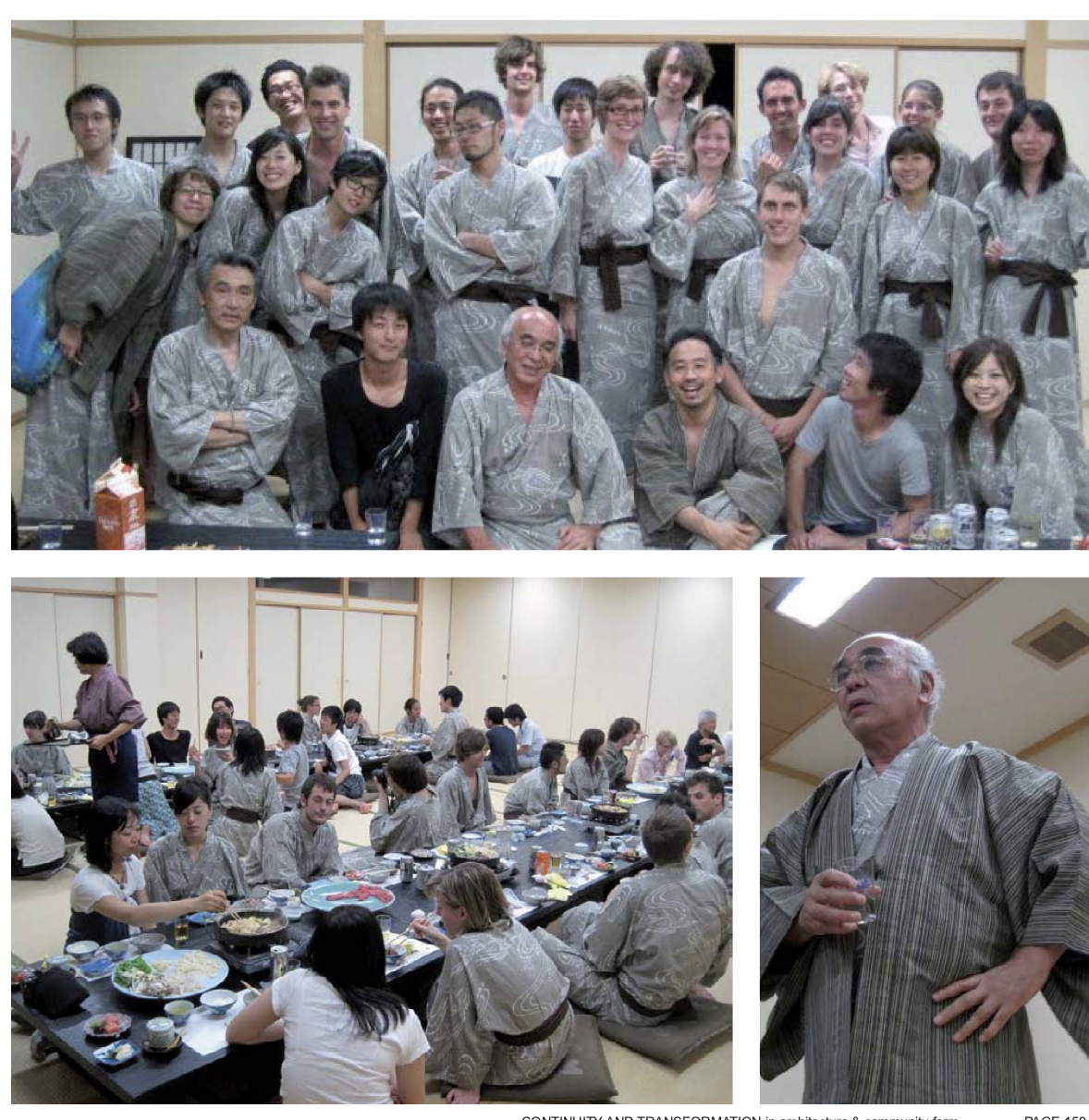
Since 2006, the MIT Japan Design Workshop under the direction of MIT’s Shun Kanda and the Kobayashi Laboratory of Keio University with the people of Tané, conducted joint sessions on a project dealing with a crisis of a different urgency.

Scroll right >

...one Kanda refers to as a “slow disaster” in the making. As is true with hundreds of other rural settlements across Japan, Tané is facing a systemic erosion of its very existence.

Scroll right >

[VIDEO TRANSCRIPT HERE]

To Live in Tane

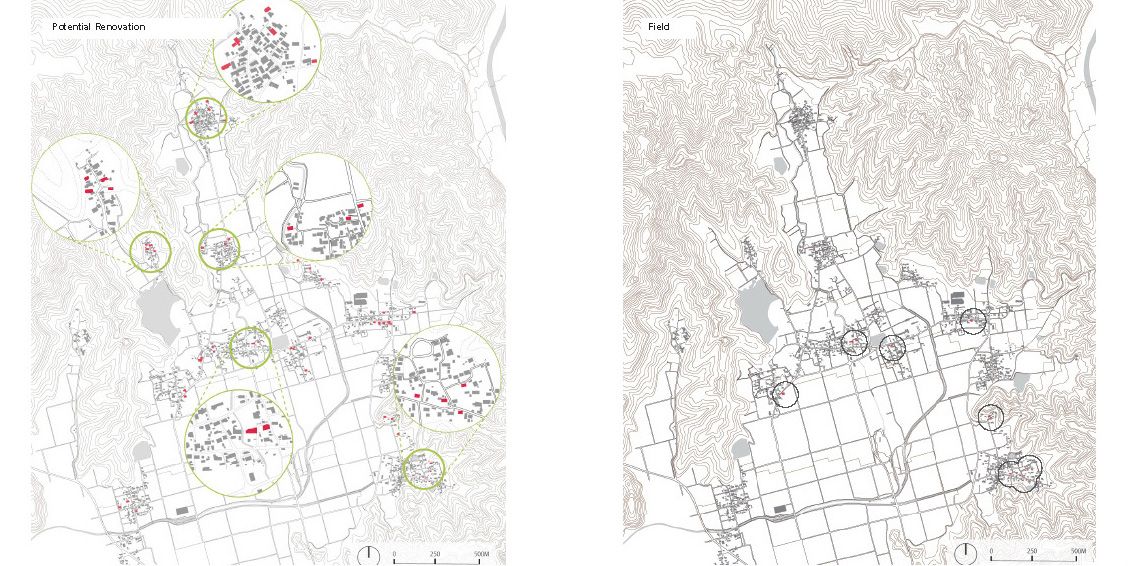
The project “To Live in Tané” focuses on overall strategies for the 13 villages comprising Tané, with a total population of 2000 people and 500 households.

“To Live in Tané” underscores the MIT & Keio University’s initiative at developing models for alternative futures...

Scroll right >

Despite its centuries-old village settlement, endemic population depletion accompanied by unmanaged forest, water, and field resources forecasts an imminent and unfortunate demise. “To Live in Tané” underscores the MIT & Keio University’s initiative at developing models for alternative futures guided by improved management of the surrounding ecology, a revived resident population and the introduction of an educational center for environmental design.

https://web.mit.edu/tane/research.html

There are few young residents. Empty farmhouses are increasingly ubiquitous.

Scroll right >

There are few young residents. Empty farmhouses are increasingly ubiquitous. With the passing of each year there are major questions as to the future life of Tane, which has prevailed over hundreds of years.

***We need to add project information for "To Live in Tane" or monkey business here to make it a project

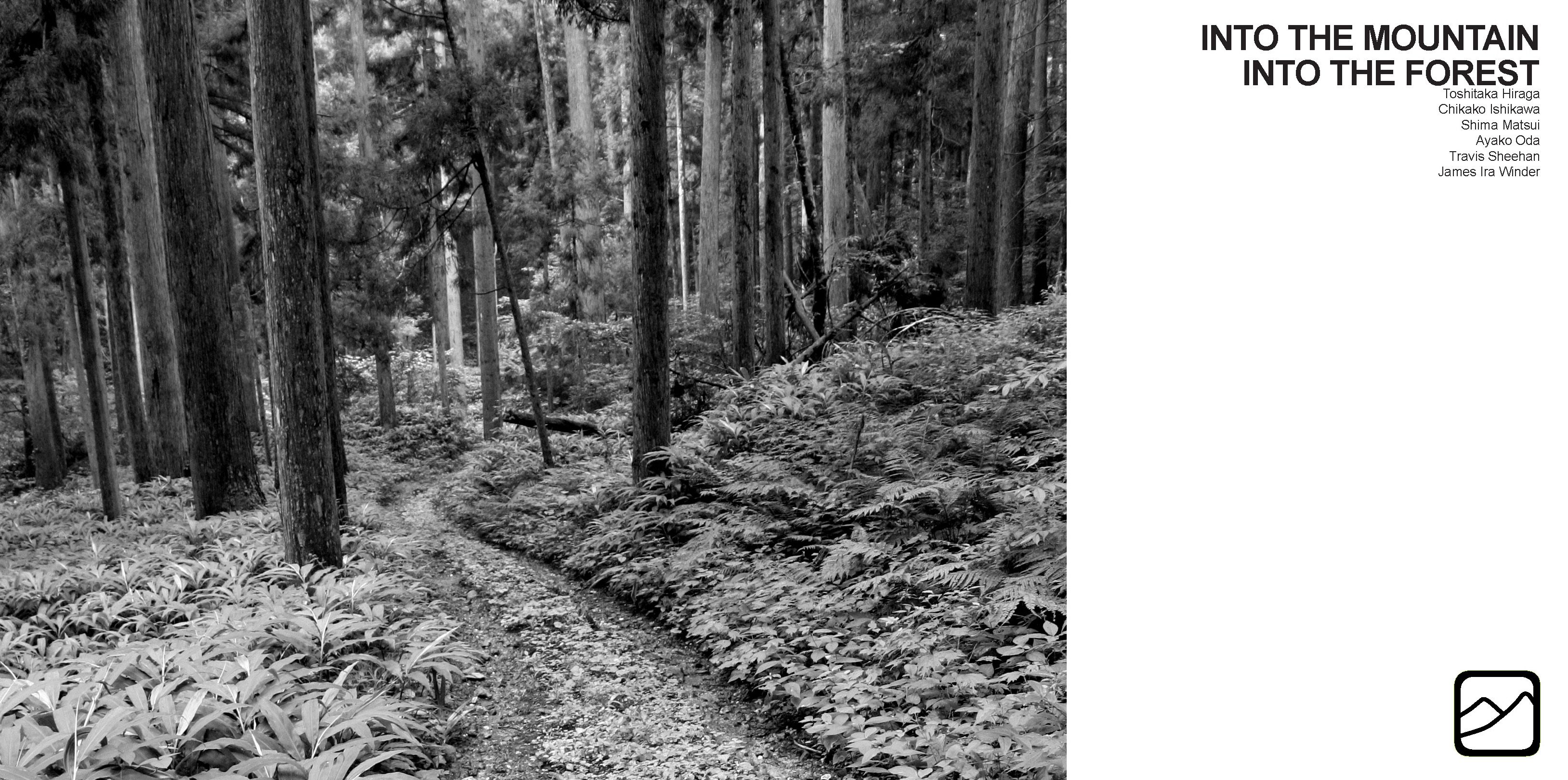
Into the Mountain, Into the Forest 山歩き:

The Forest-Water Cycle

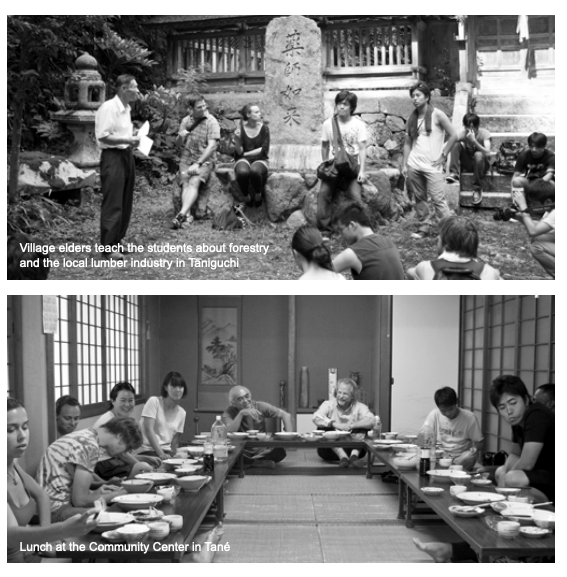
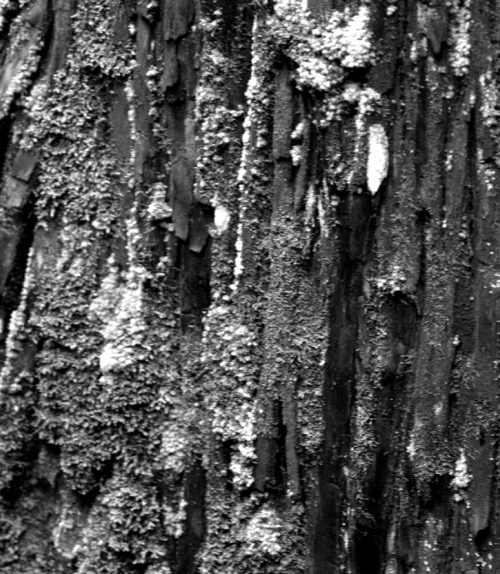
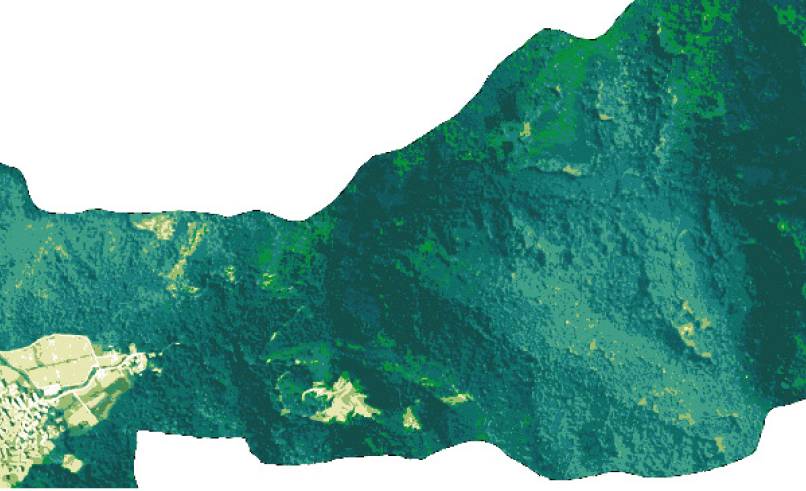
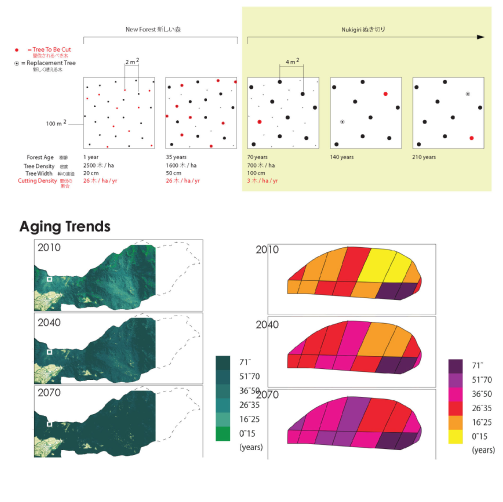
The essence of the forestry method employed in Tane, specifically in the village of Taniguchi, is that it contributes to a system of resource management that extends beyond simple fauna.

Scroll right >

Agenda

Tane has a small population and we have to gather new, permanent residents. 田根の住人は減少し限界集落と言われる。そのため、新しくこの土地に住人を受け入れる必 要 がある。

Who/what does Tane want to attract? 誰にとって/何にとって田根は魅力的でありたいのか?

Consider a healthy forested mountain, that recieves rainwater on its peaks, water which gradually makes it's way to the rivers that flow into the valley. The water is essential for bringing the bounty of the forest's nutrient-rich underlayer to the benefit of the rice-fields below. In an even greater scheme, this water flows into larger and larger bodies of water, until it finally reaches the largest of all, Lake Biwa. This becomes the water that people drink, that sustains the fish the eat, and will even be evaporated and precipitated again onto the very peaks it came from. This is the context that Japanese forest methods are developed, and is certainly not limited to short-sighted economic models that might lead to simple clear cutting. This is why the forests of Tane are both the pride and the economic vitality of the area.

Design Strategy

1. Program

Scroll right >

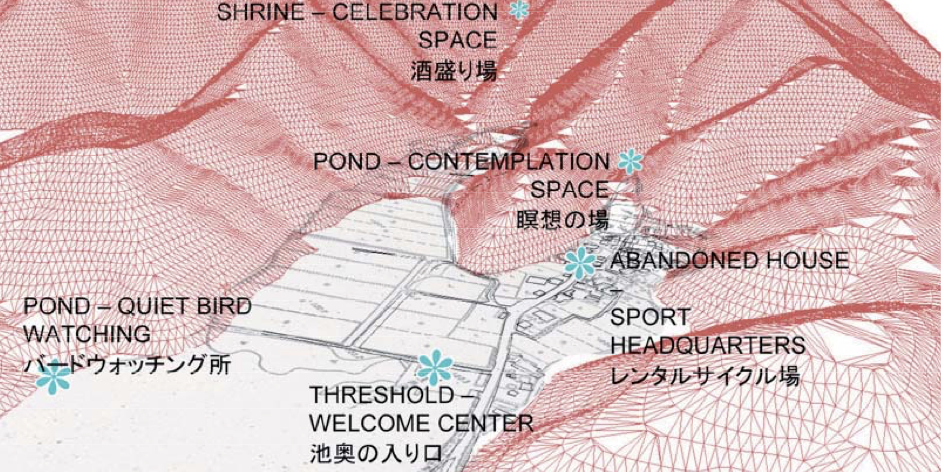
The project is part of a full village system. The mountains offer fresh air, a connection with nature, good mental feeling, cooler air, impressive views, but do not need to hold all program.

Program Components

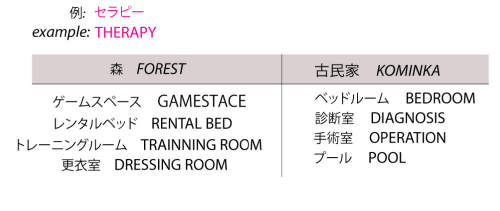
People: User + Operators Time: Duration of Stay Space: Spatial Elements

Program Possibilities

1. Therapy 2. Stock farm 3. Garden 4. Energy 5. Education

Example: Therapy

2. Lumber Logic

Scroll right >

In what space are we building?

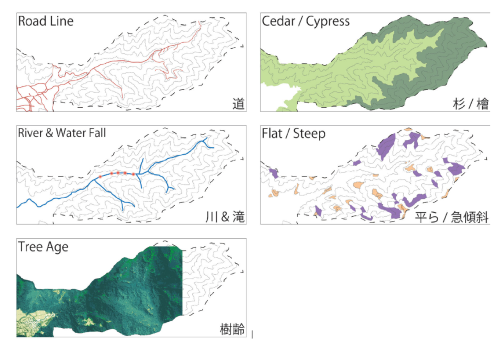
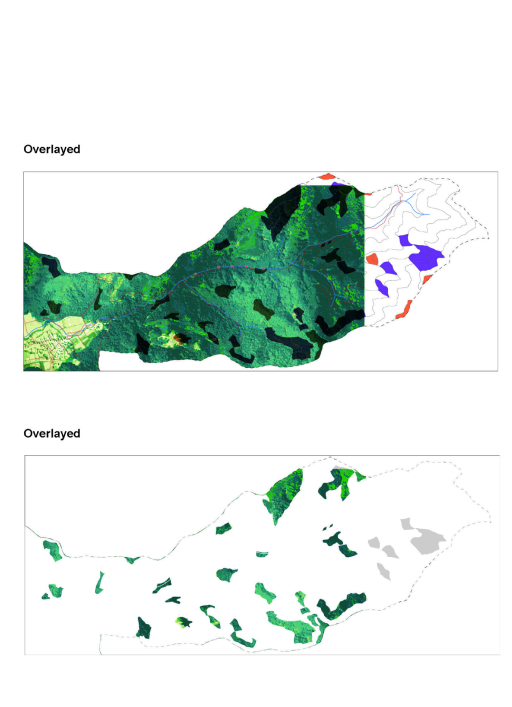
What are the layers that compose our site?

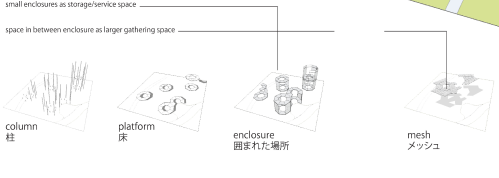
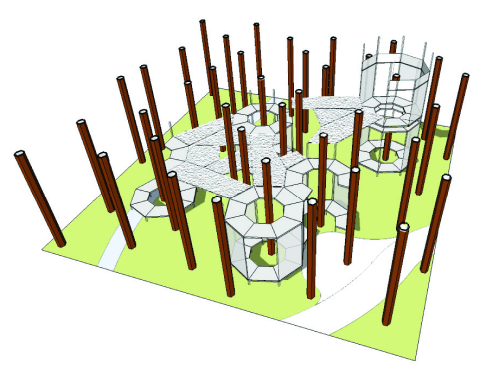
3. Design

Scroll right >

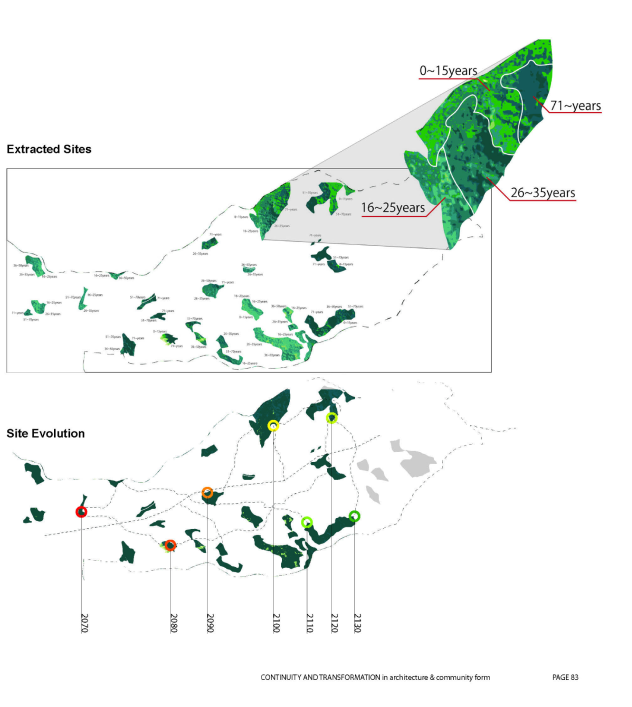
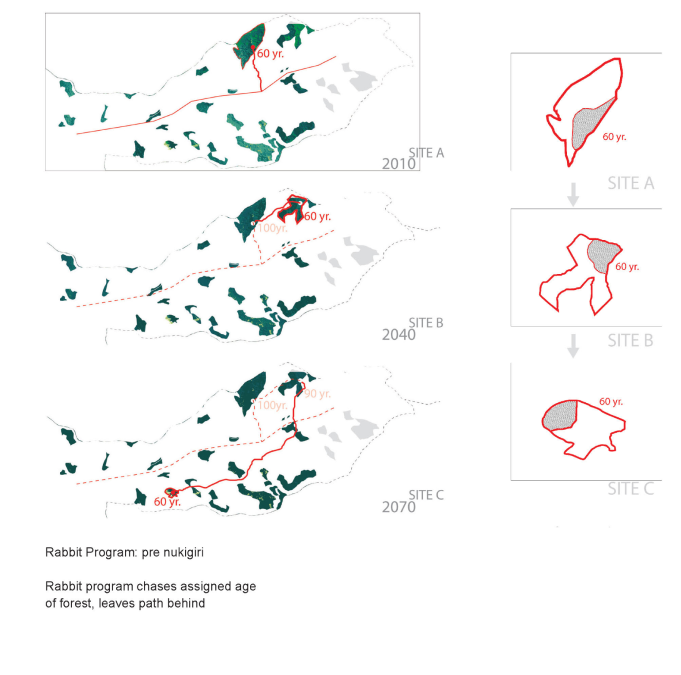
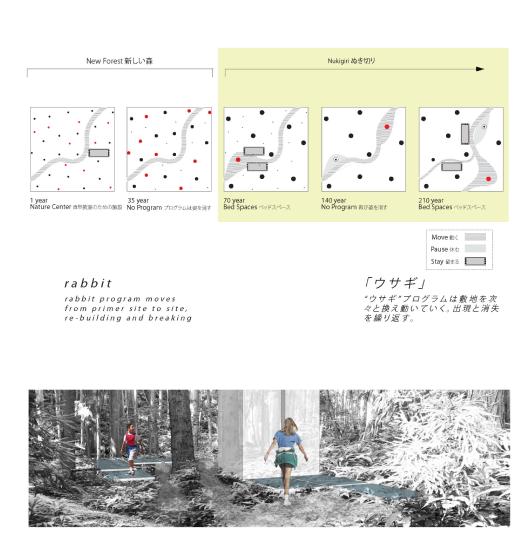
Rabbit Program

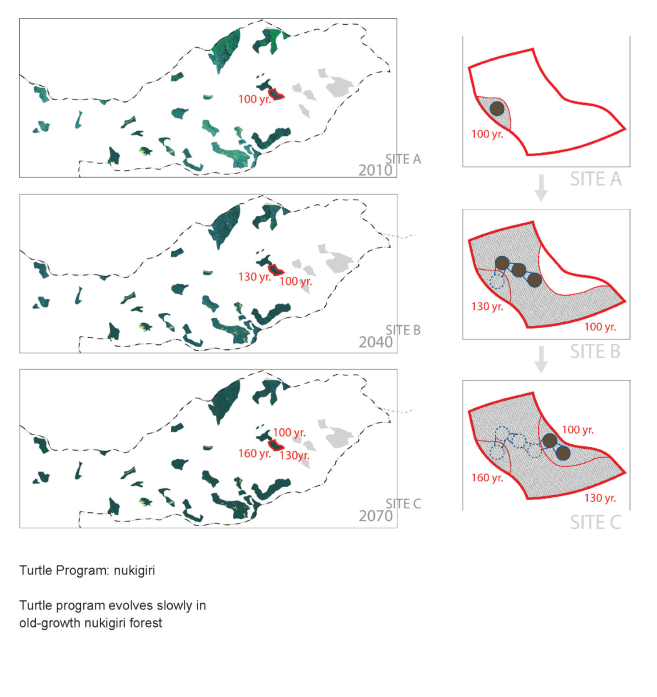
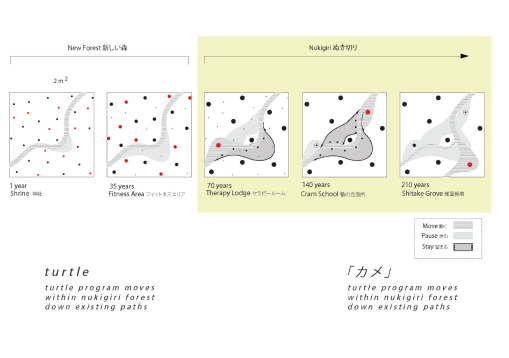
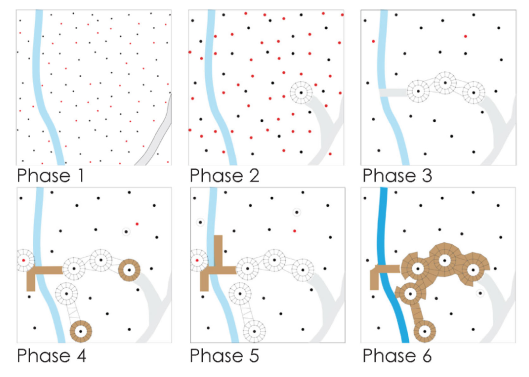
Turtle Program

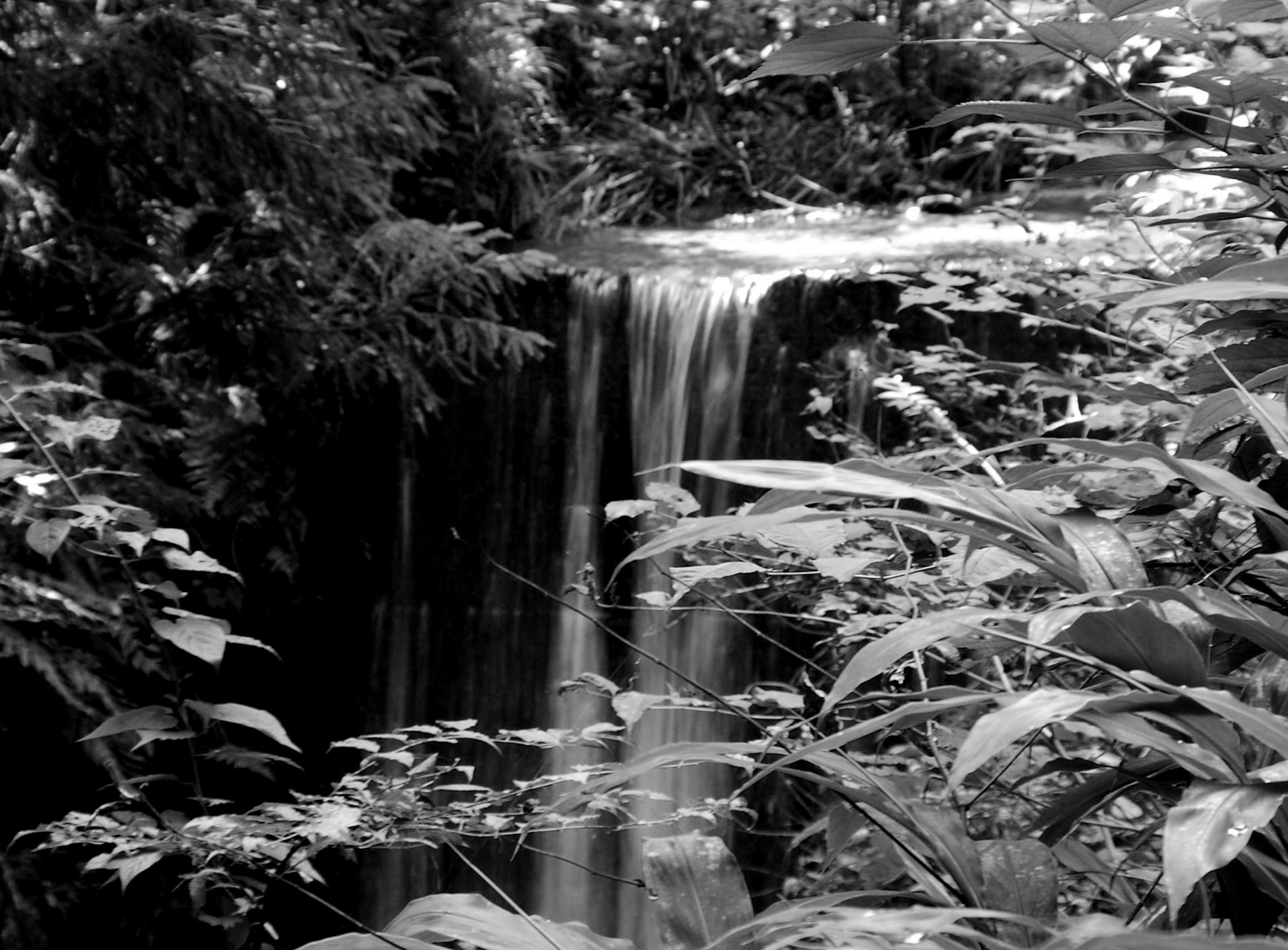
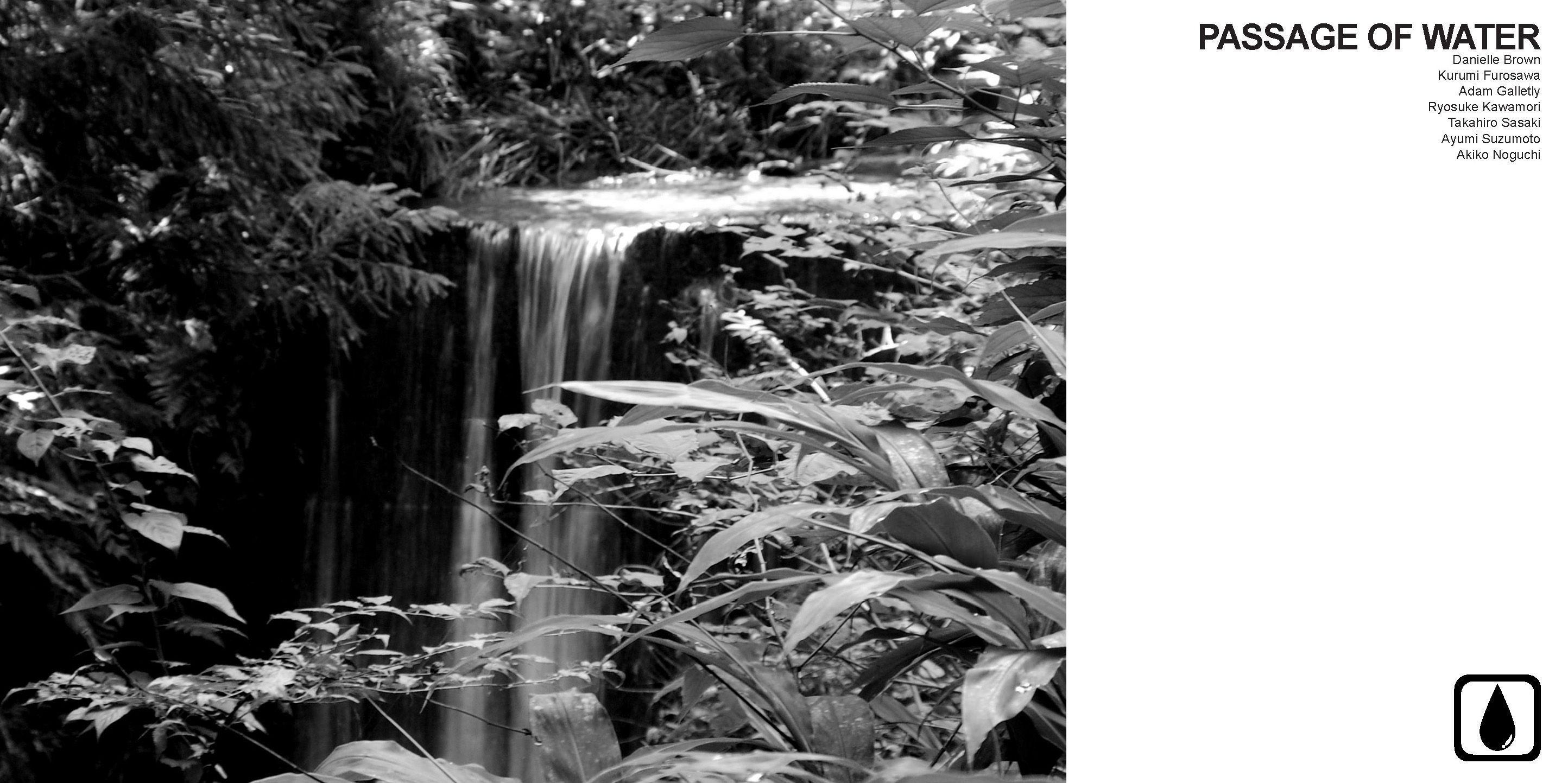
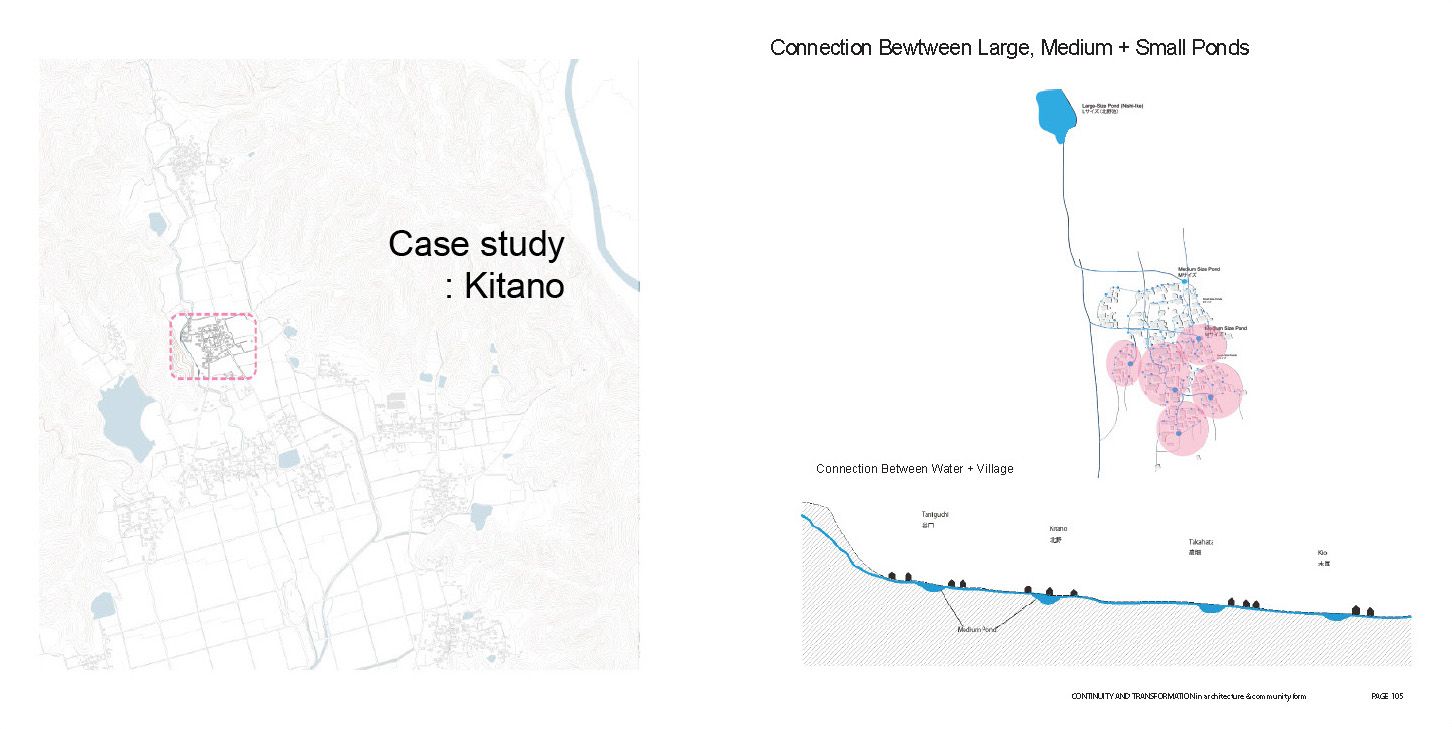
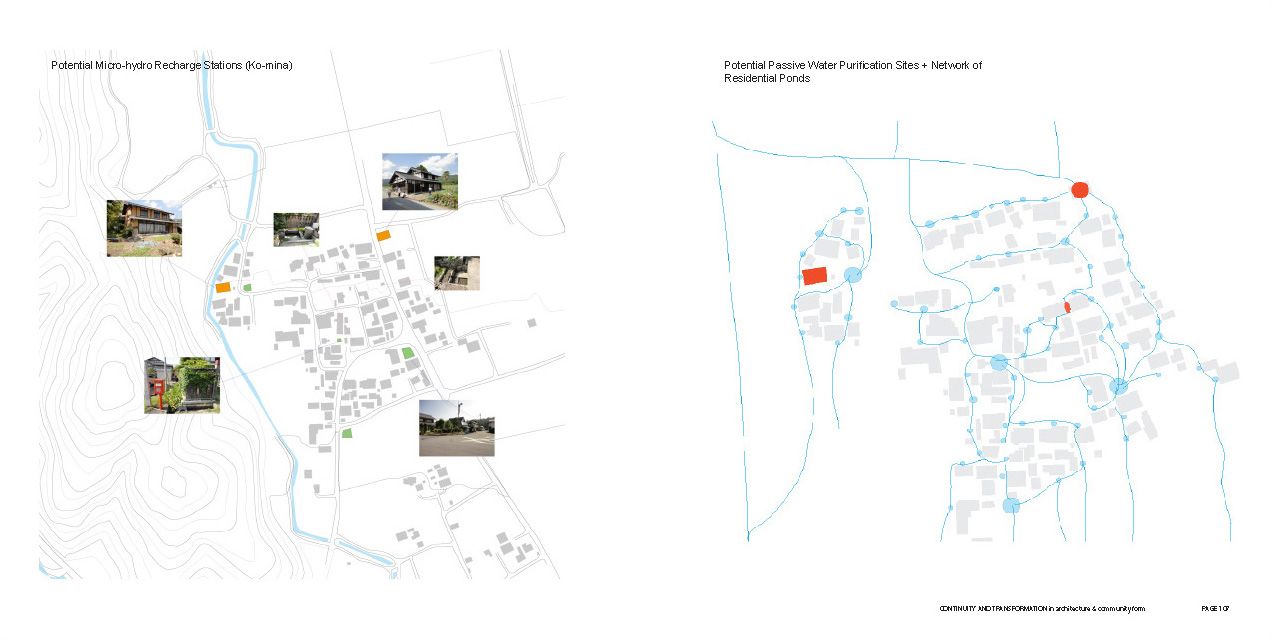
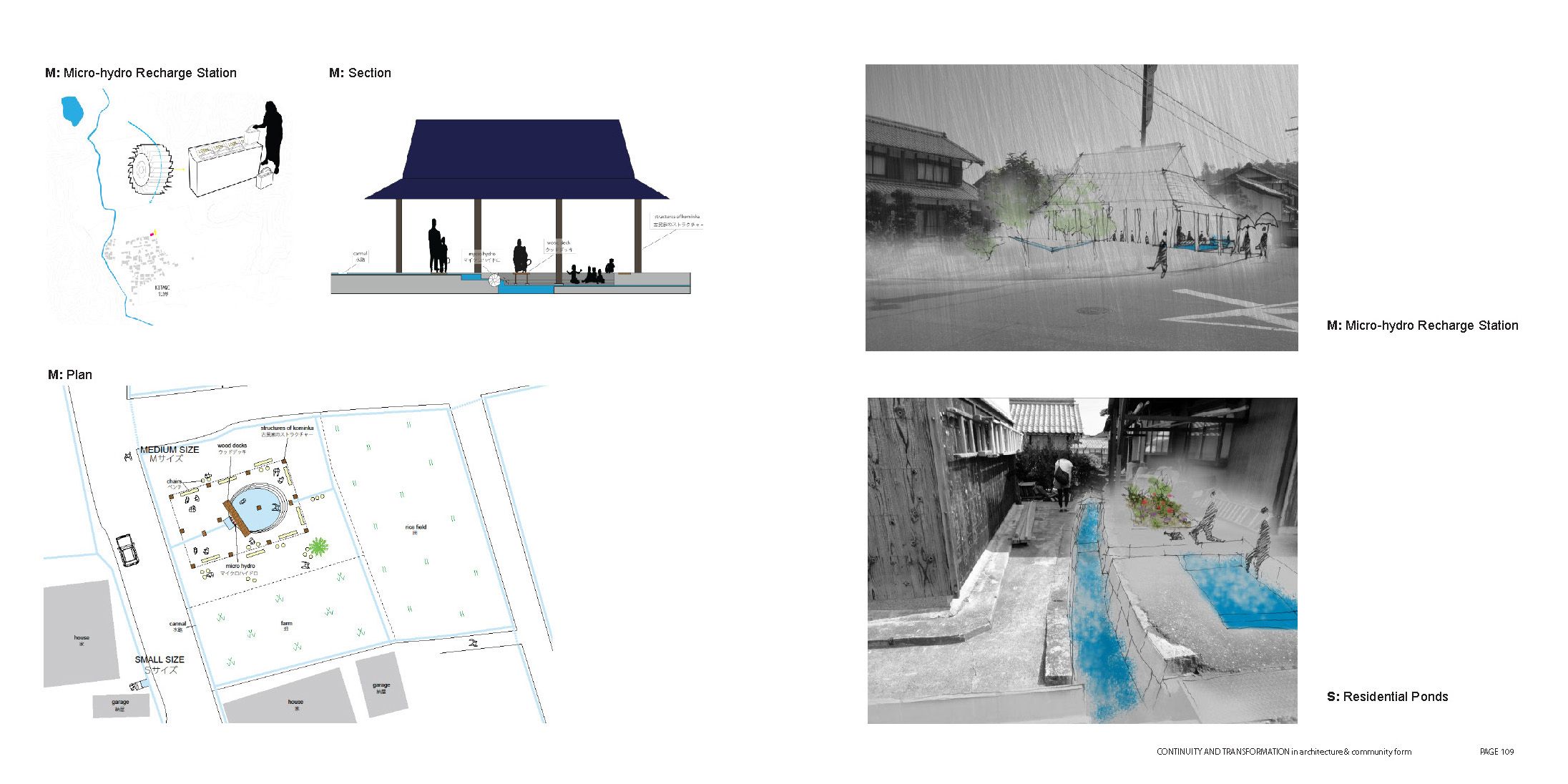
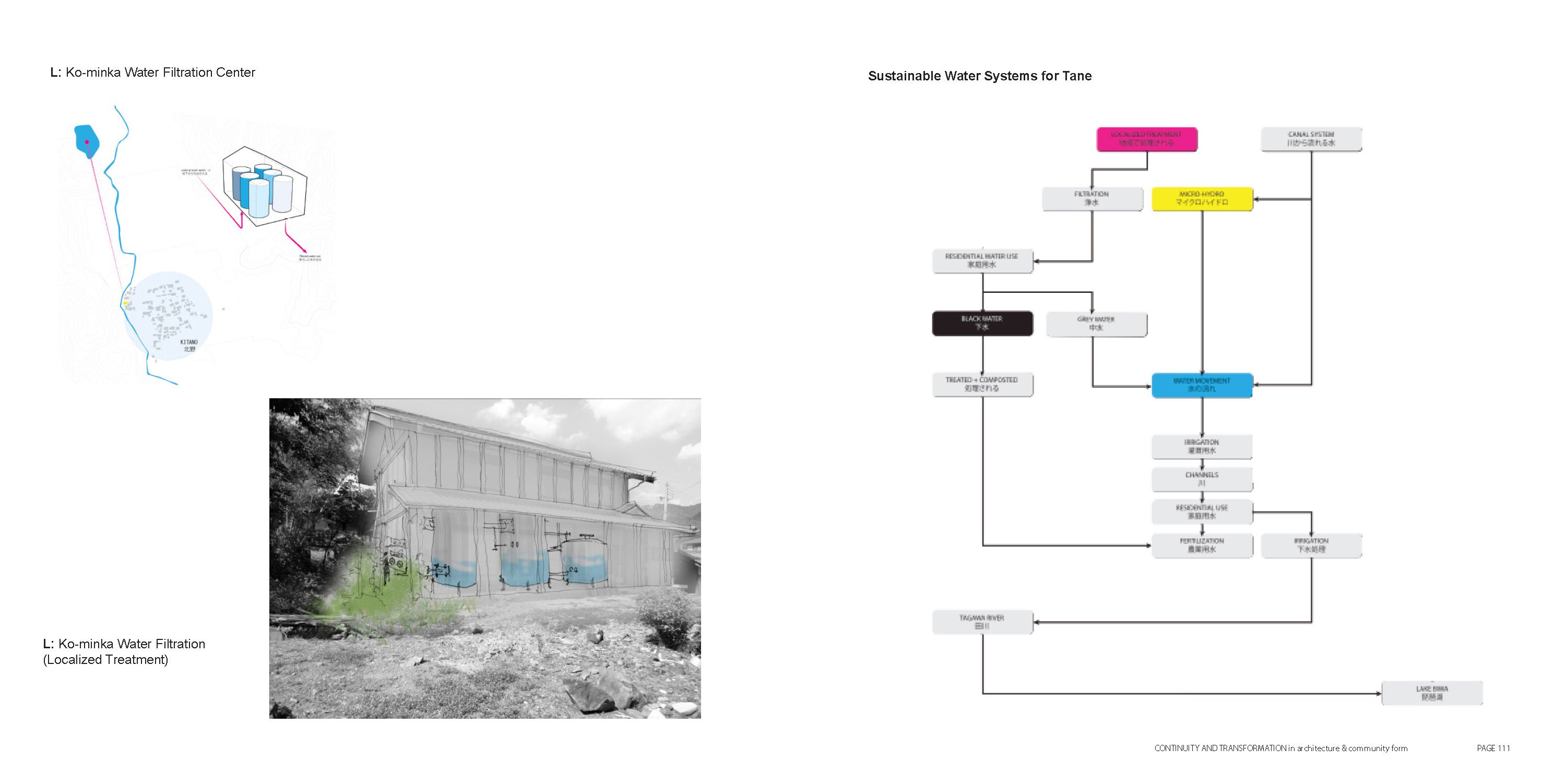
Project: Passage of Water

Danielle Brown, Kurumi Furosawa, Adam Galletly, Ryosuke Kawamori, Takahiro Sasaki, Ayumi Suzumoto, Akiko Noguchi

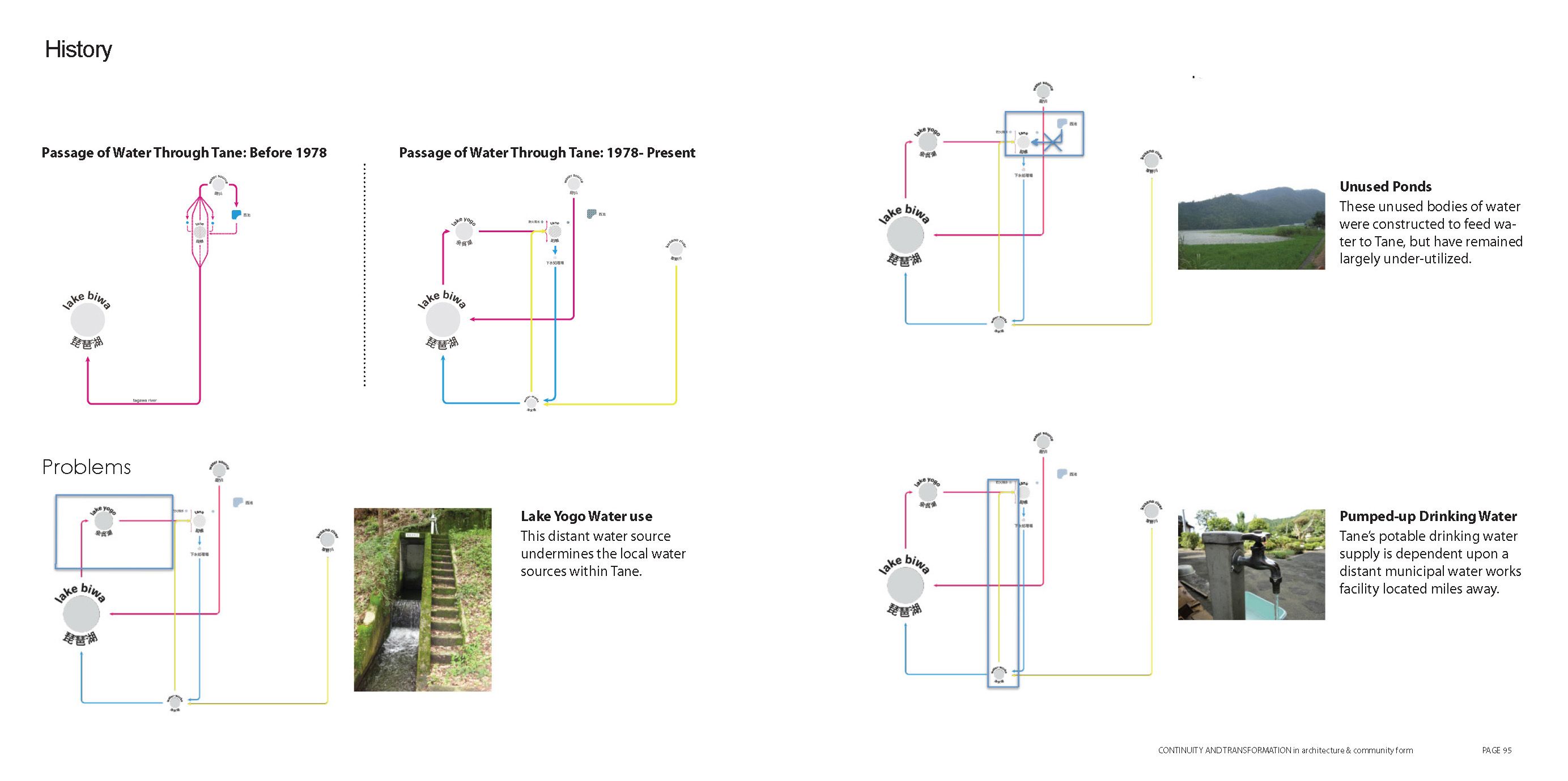
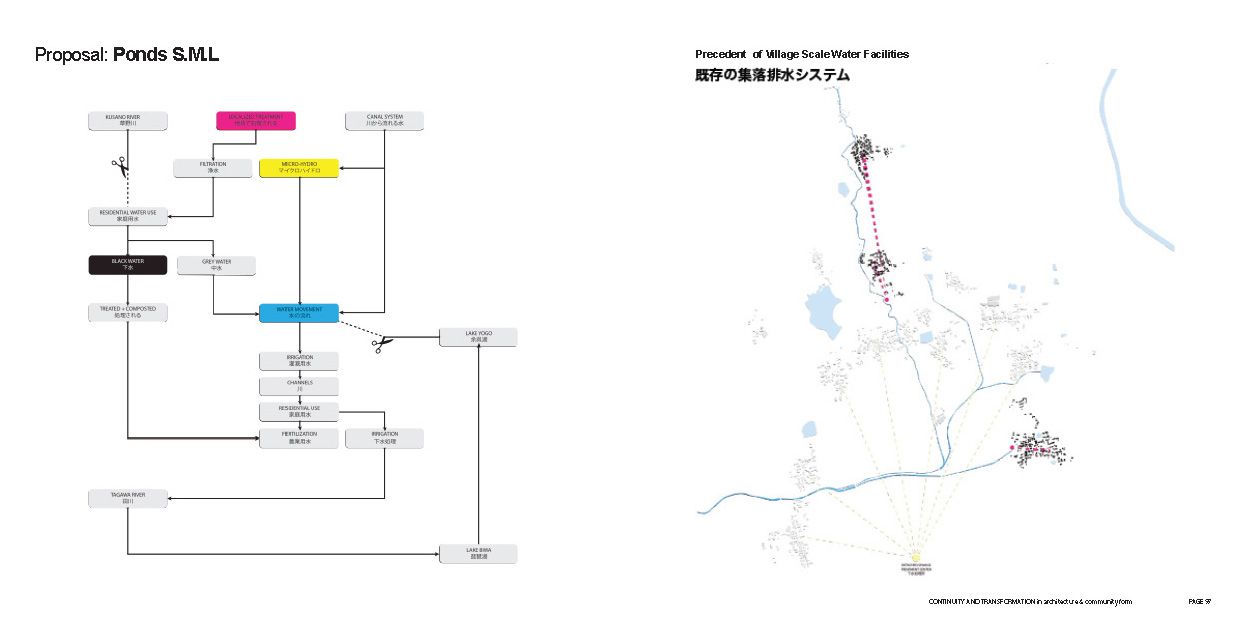
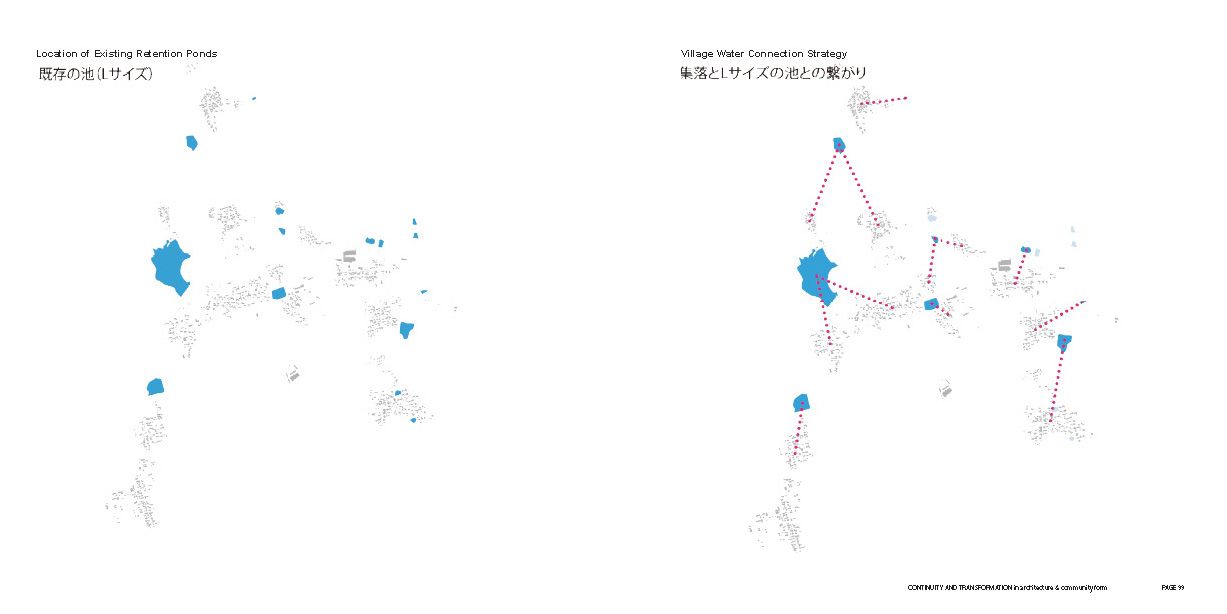
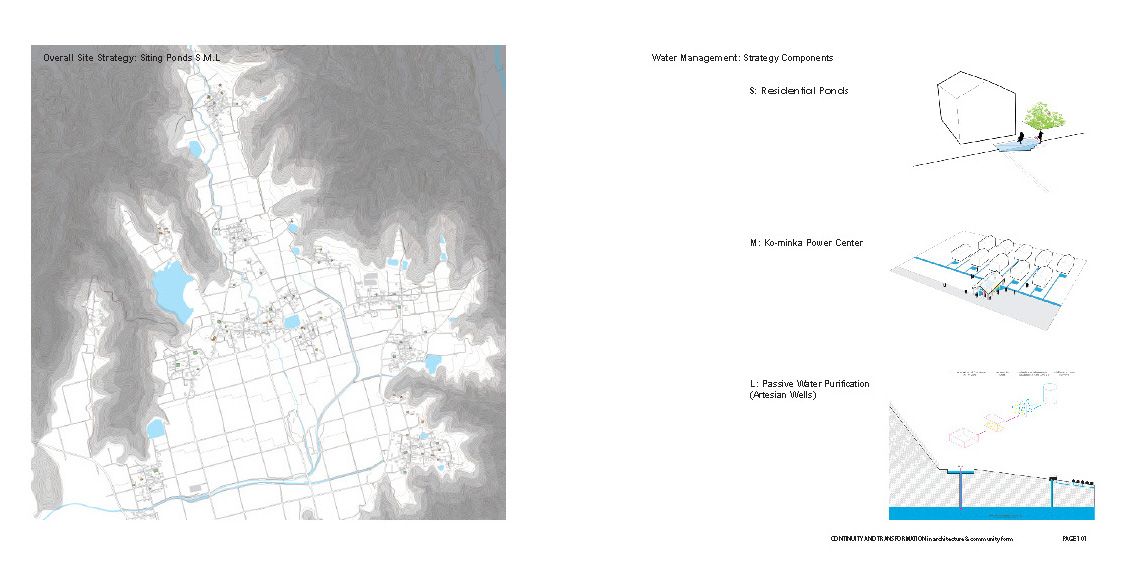
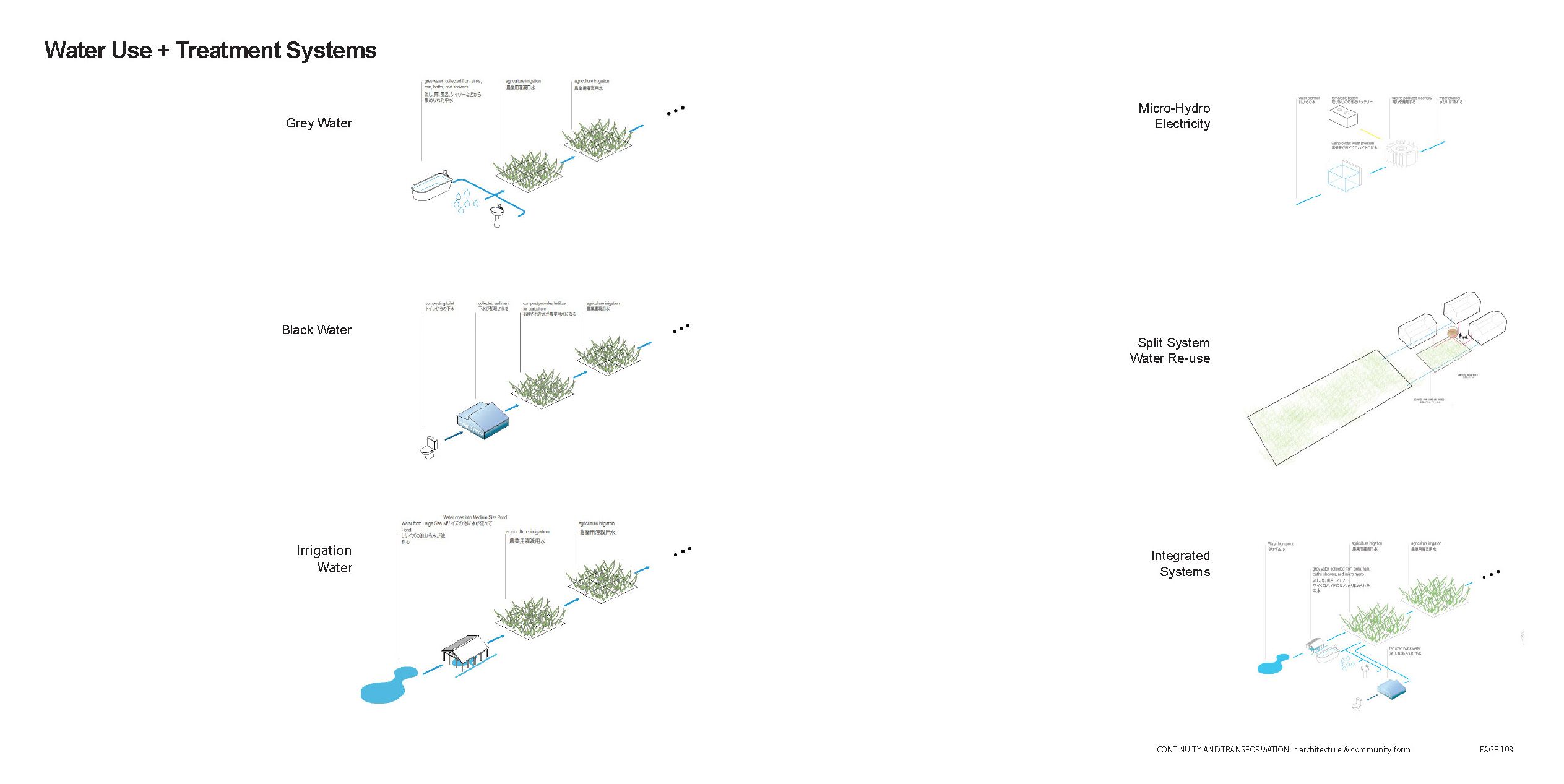
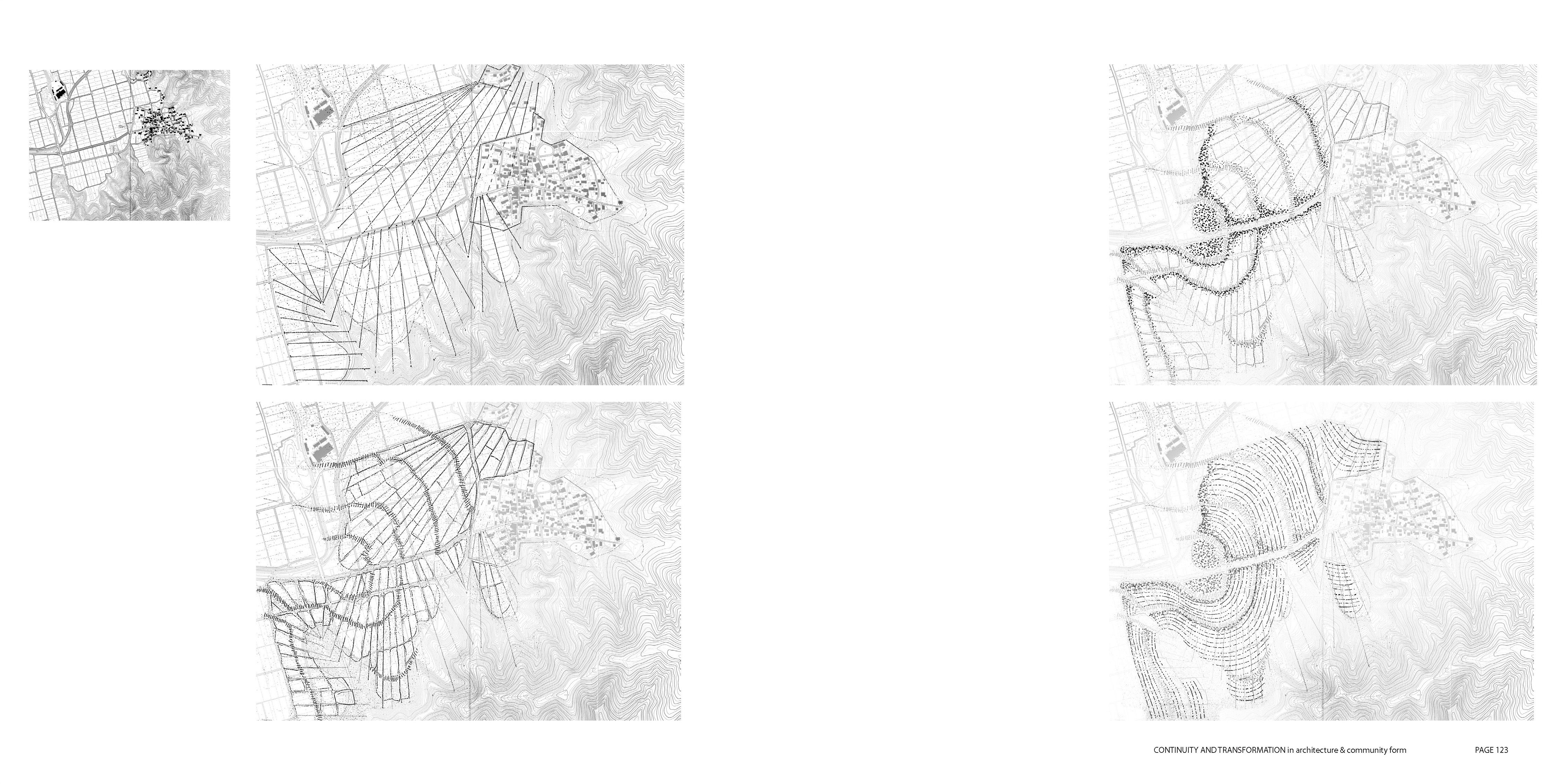
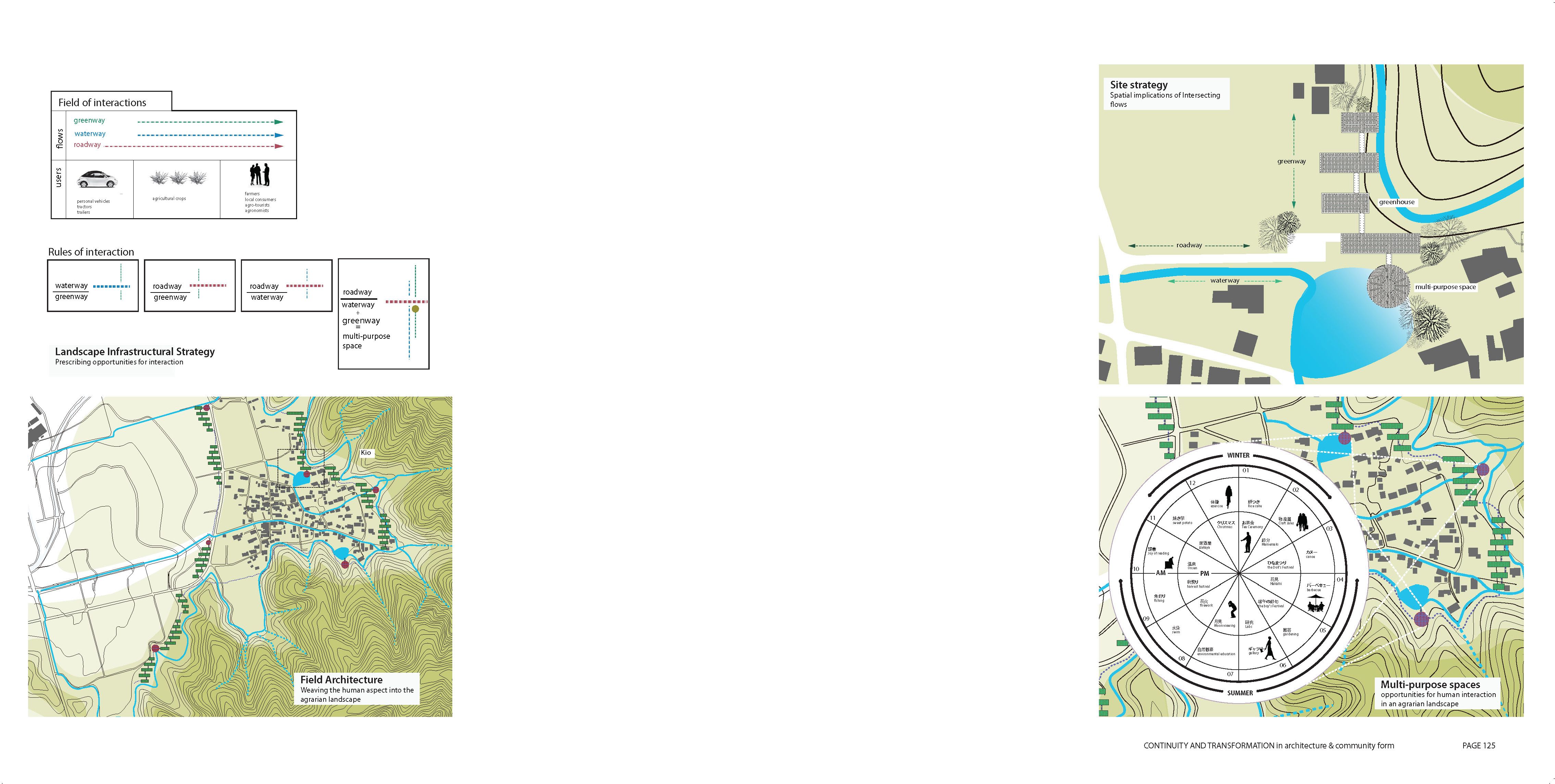
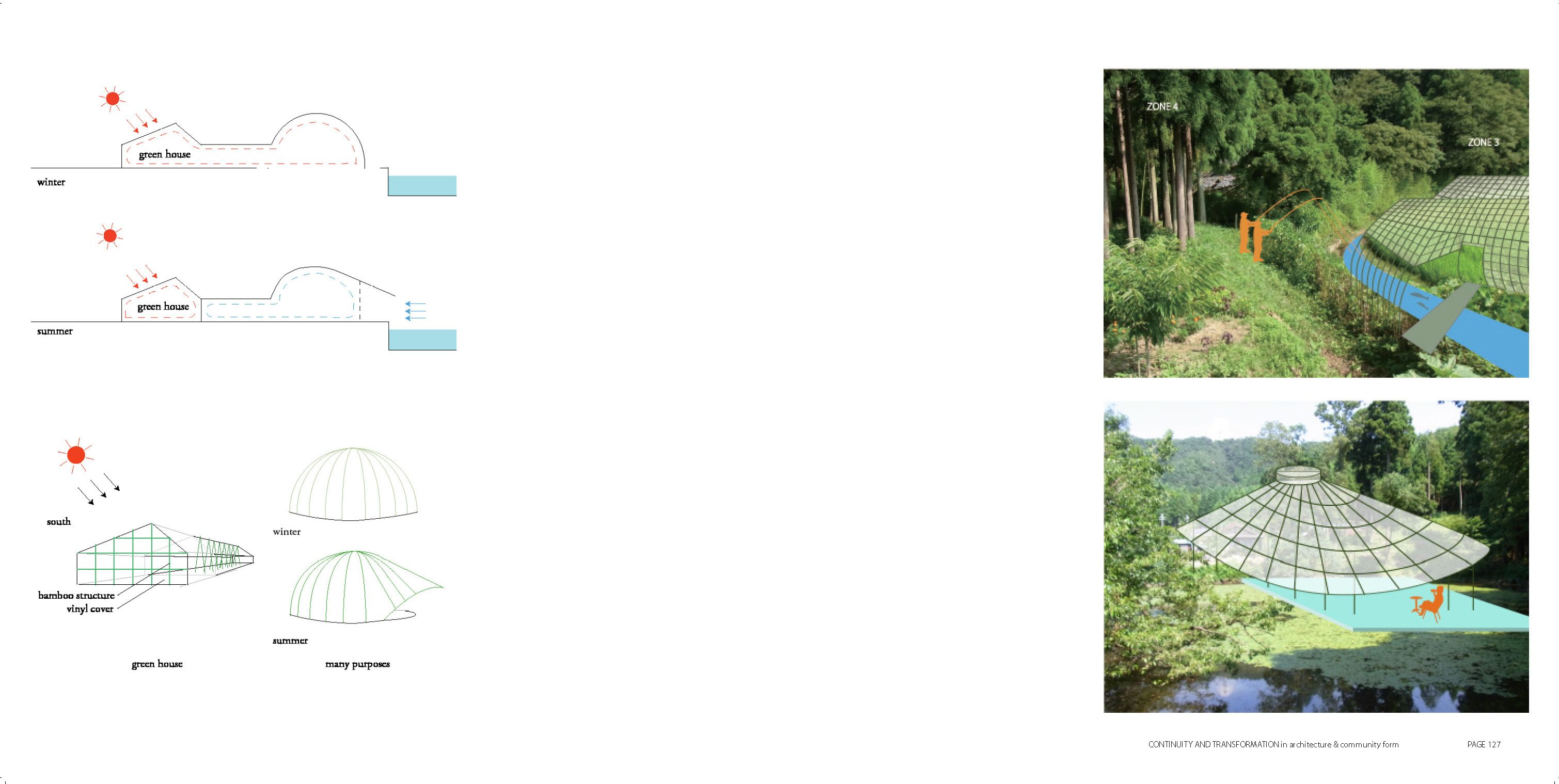
Passive and active water infrastructures at the village scale that connect small, medium, and large ponds.

Scroll right >

Project: Fields of Agriculture

Asami Hoshi, Yuka Kaneko, Runo Okiomah, Adele Phillips, Asuna Segawa, Nobuhiro Shimizu, Ryo

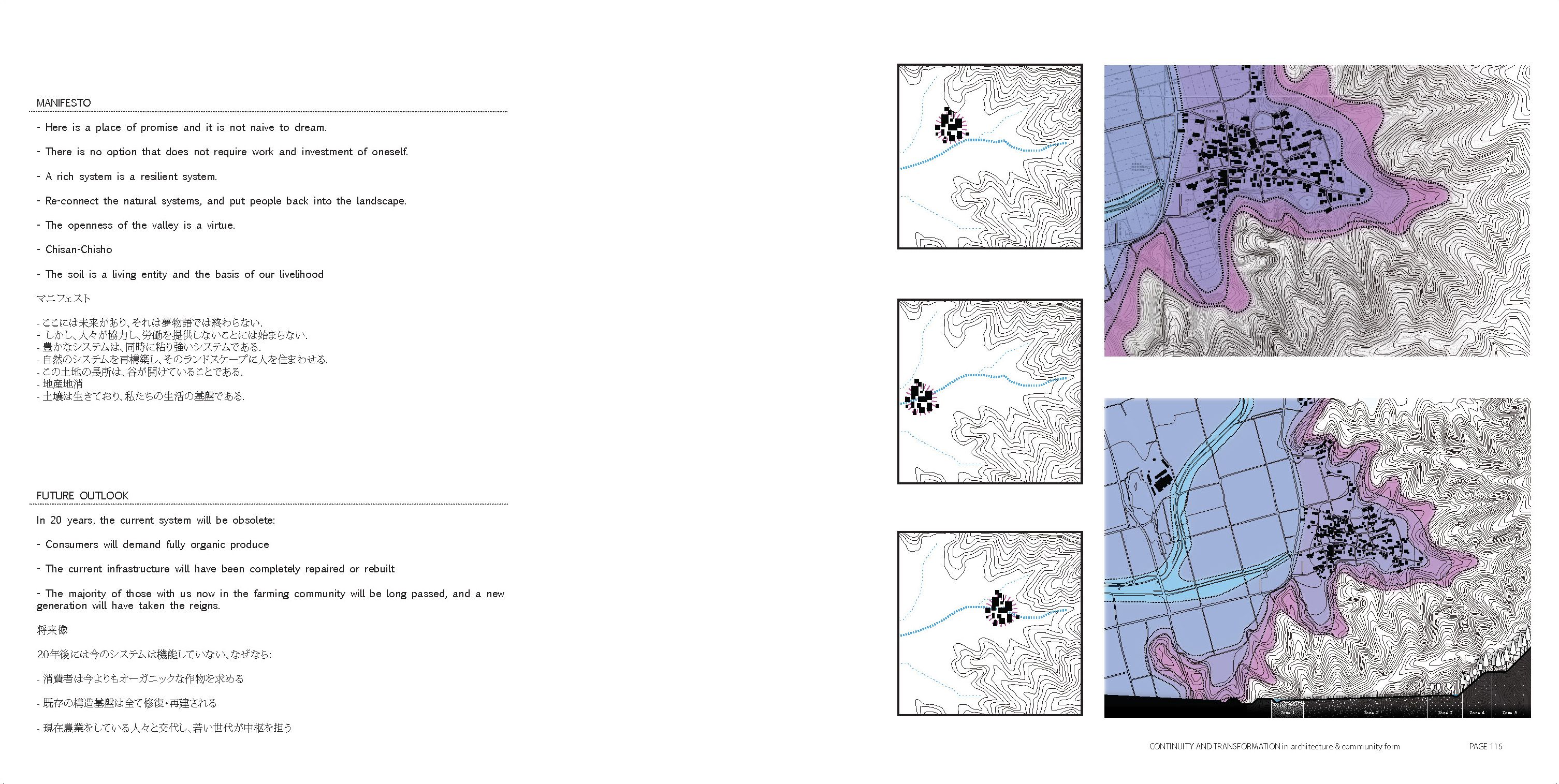
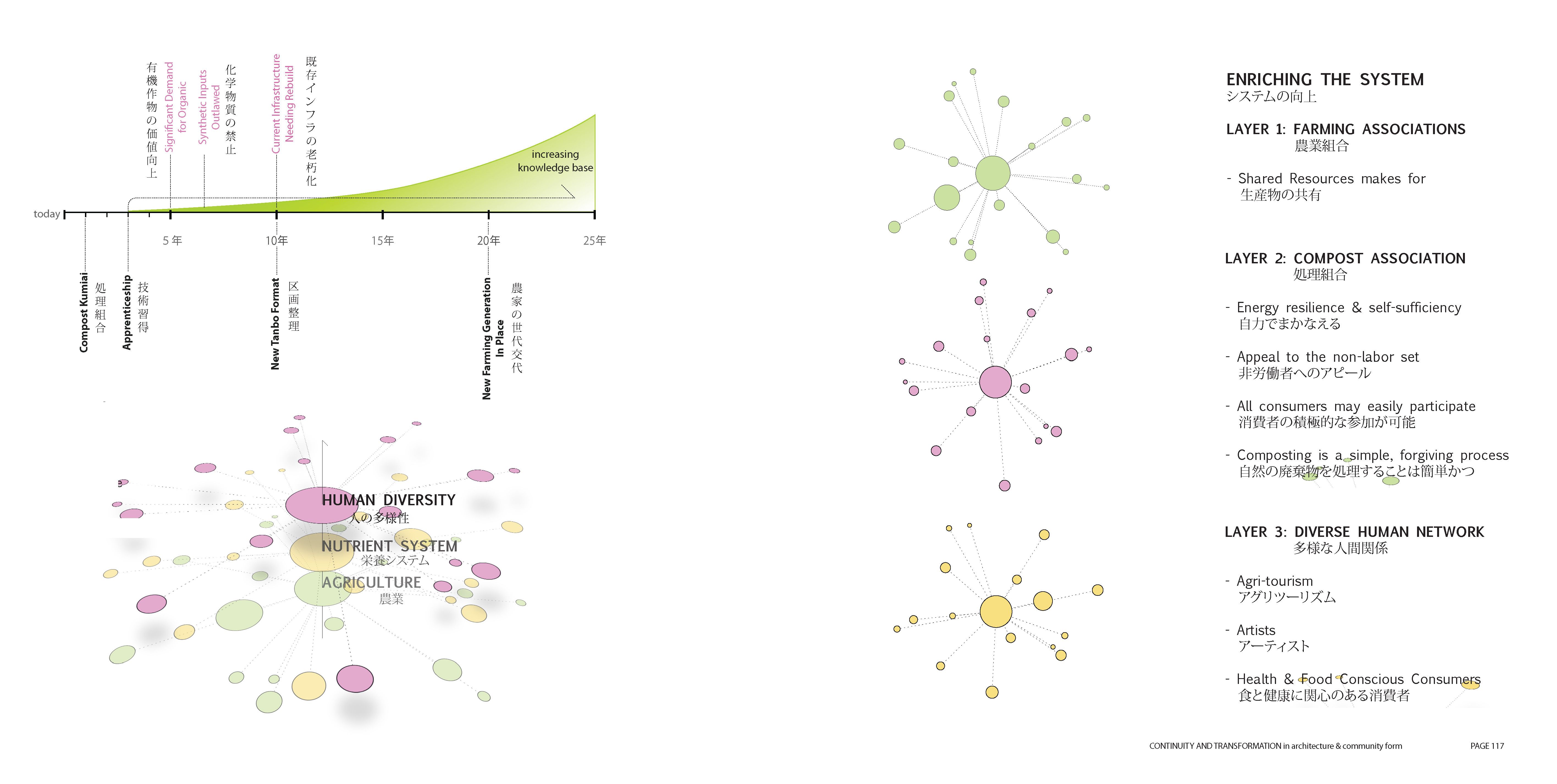
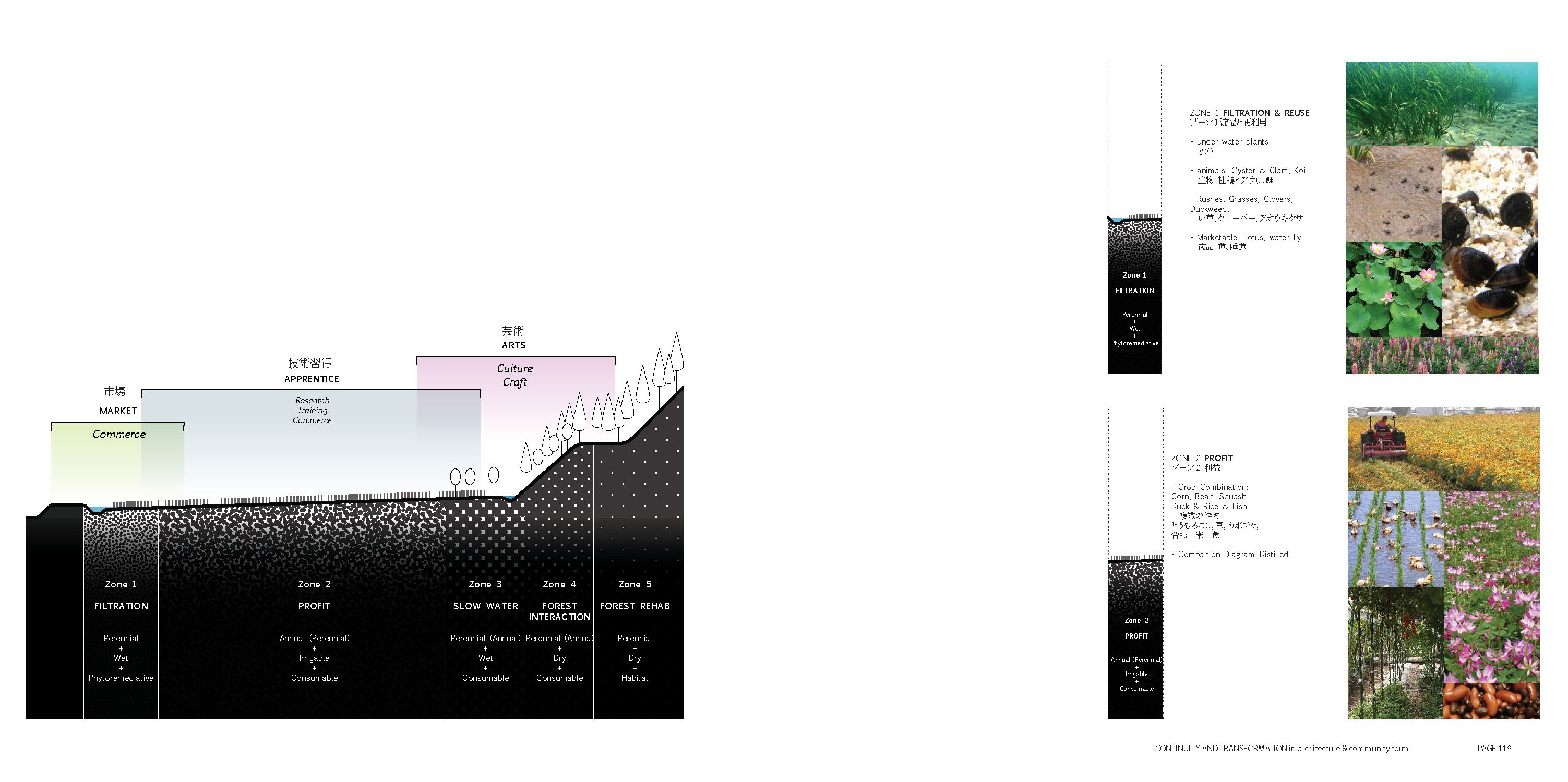
Looking at farming for future generations that re-connects with the natural systems and landscape.

Scroll right >
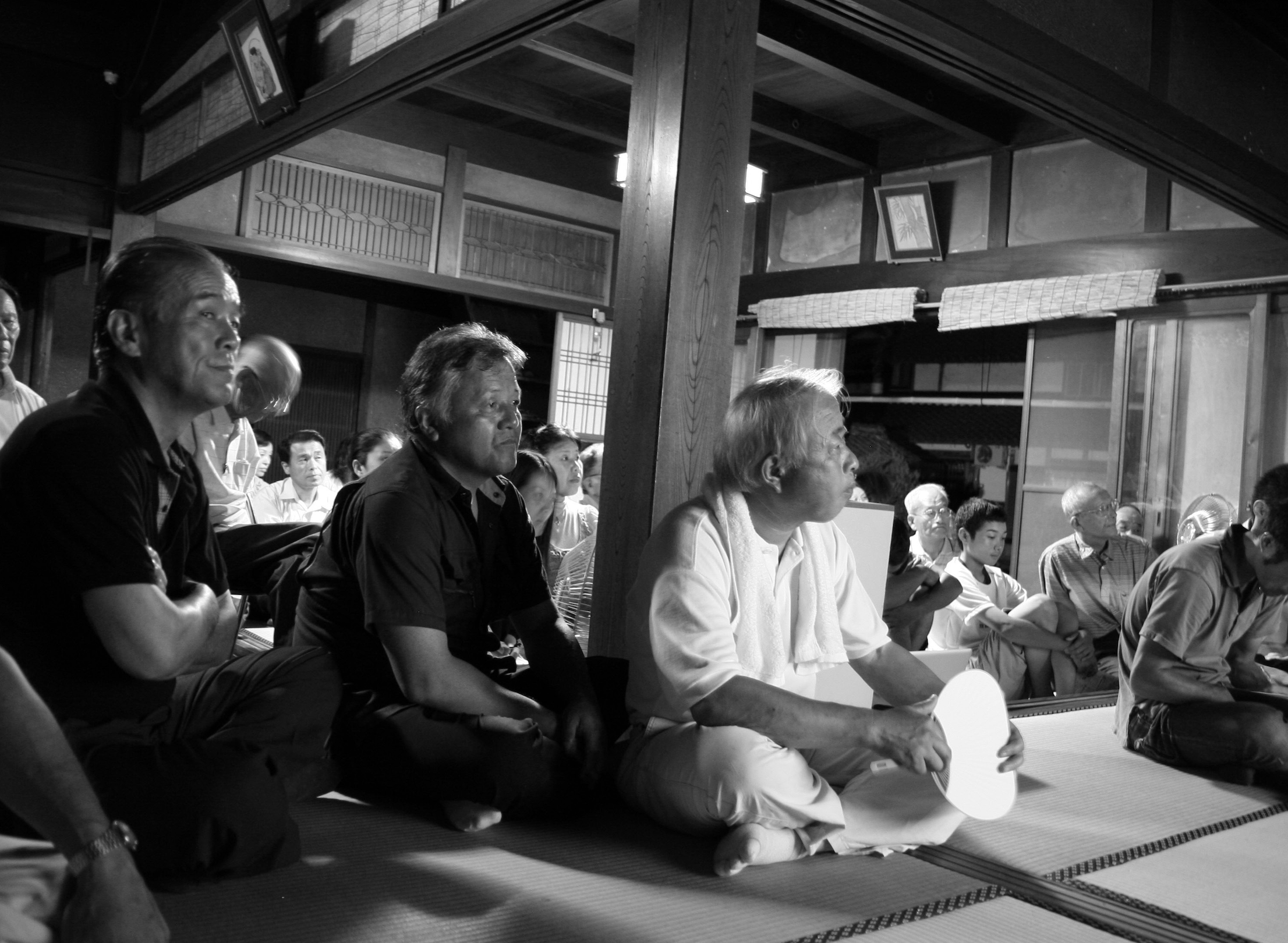
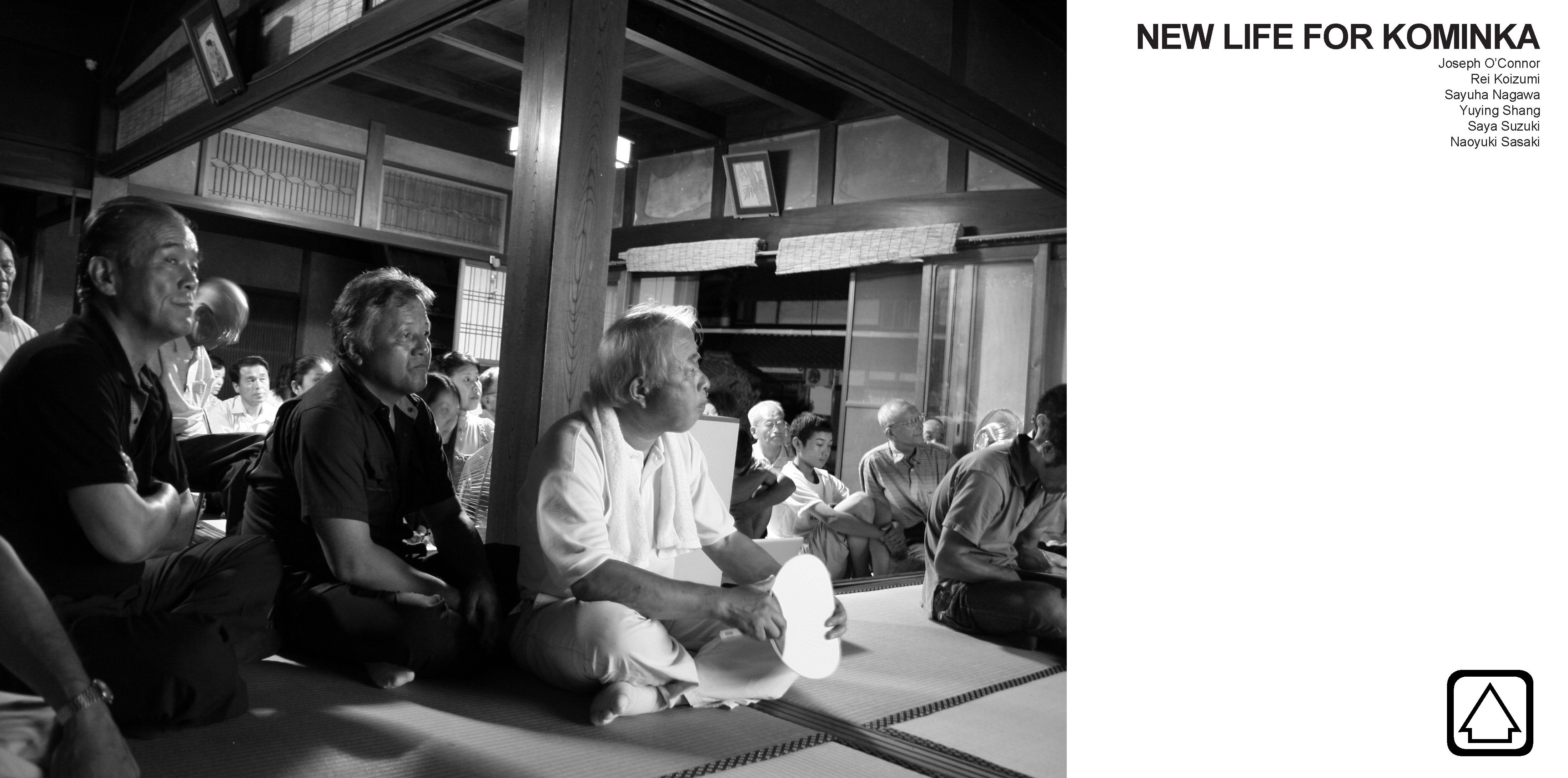
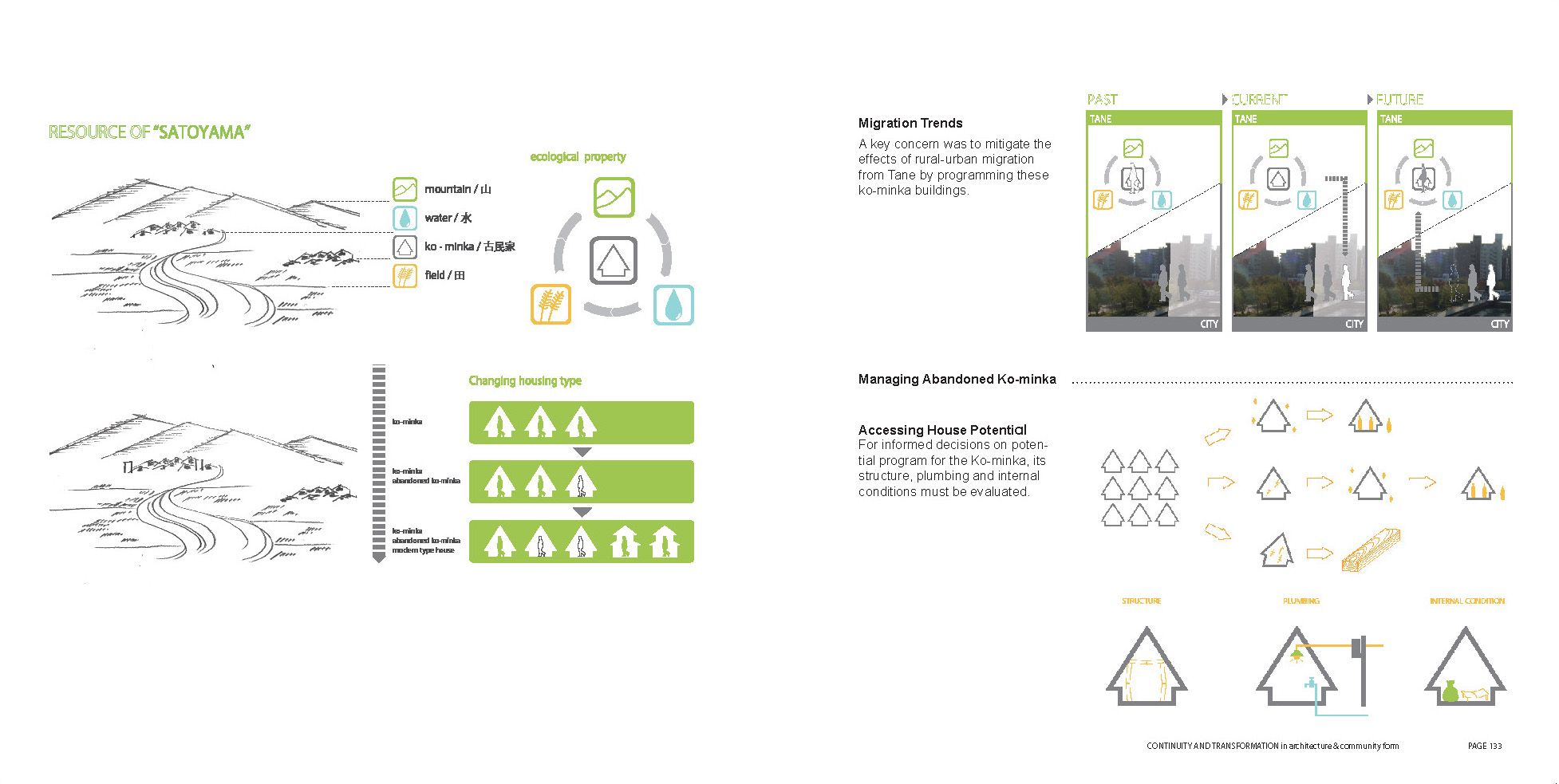
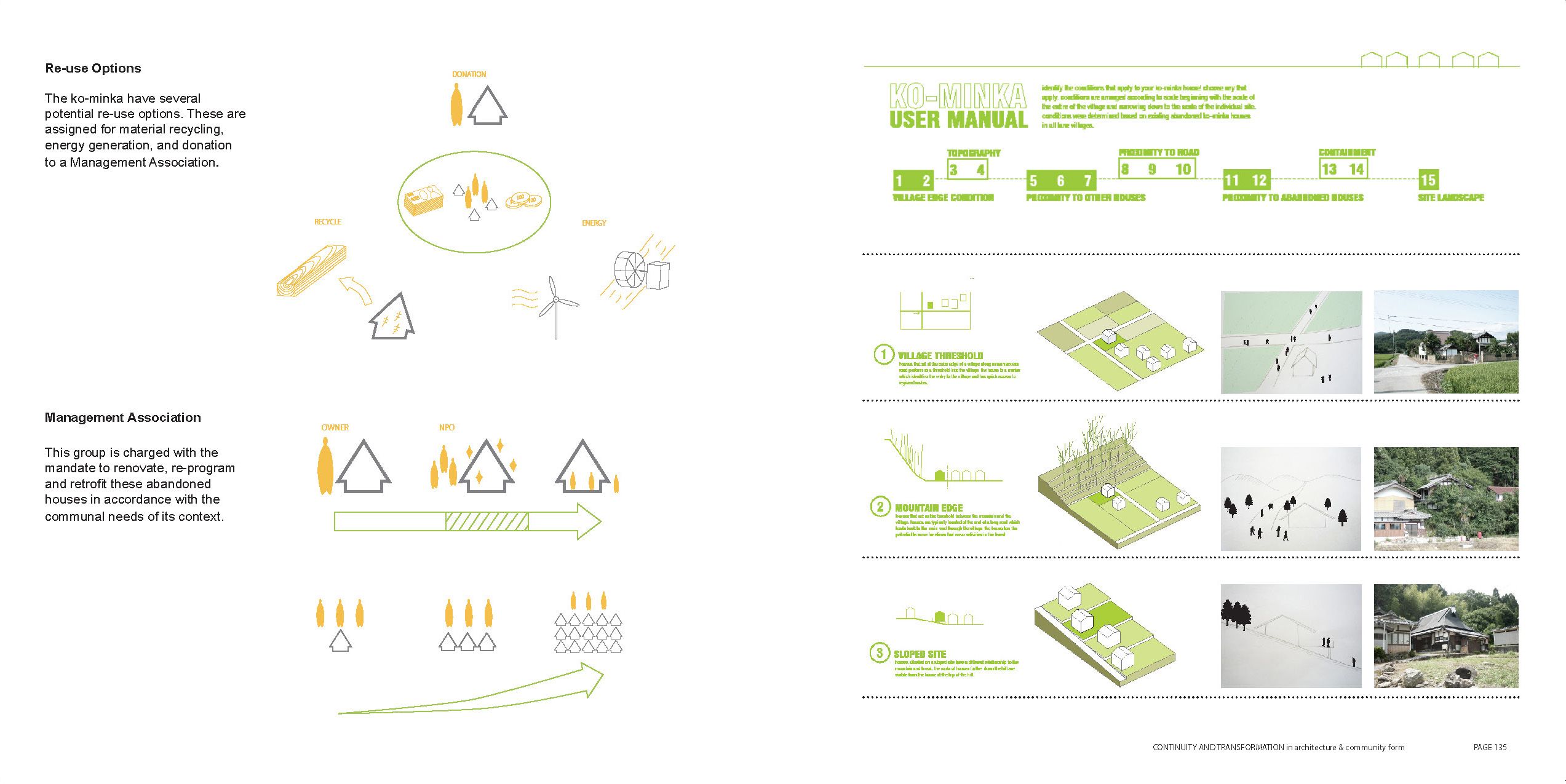
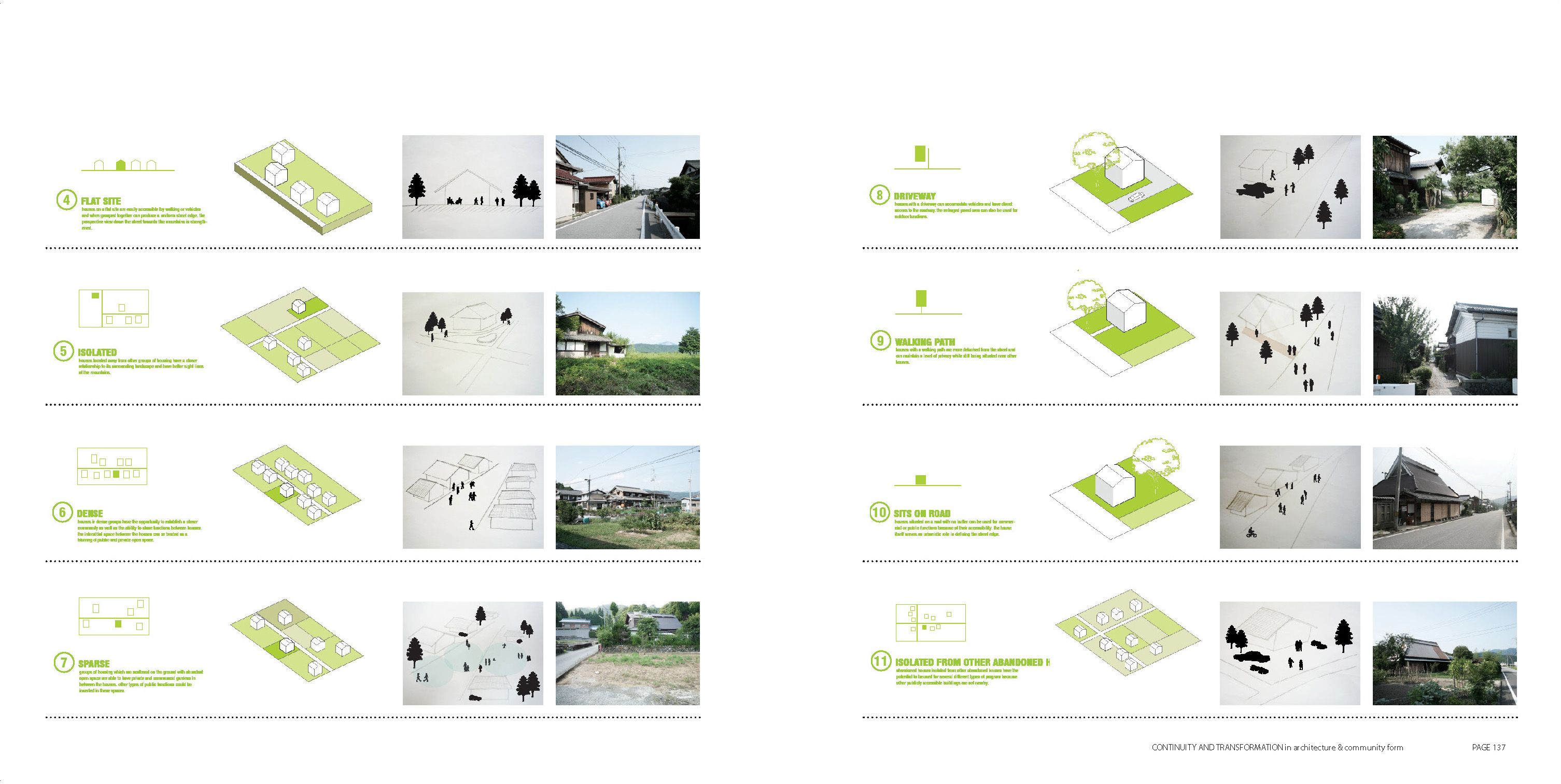
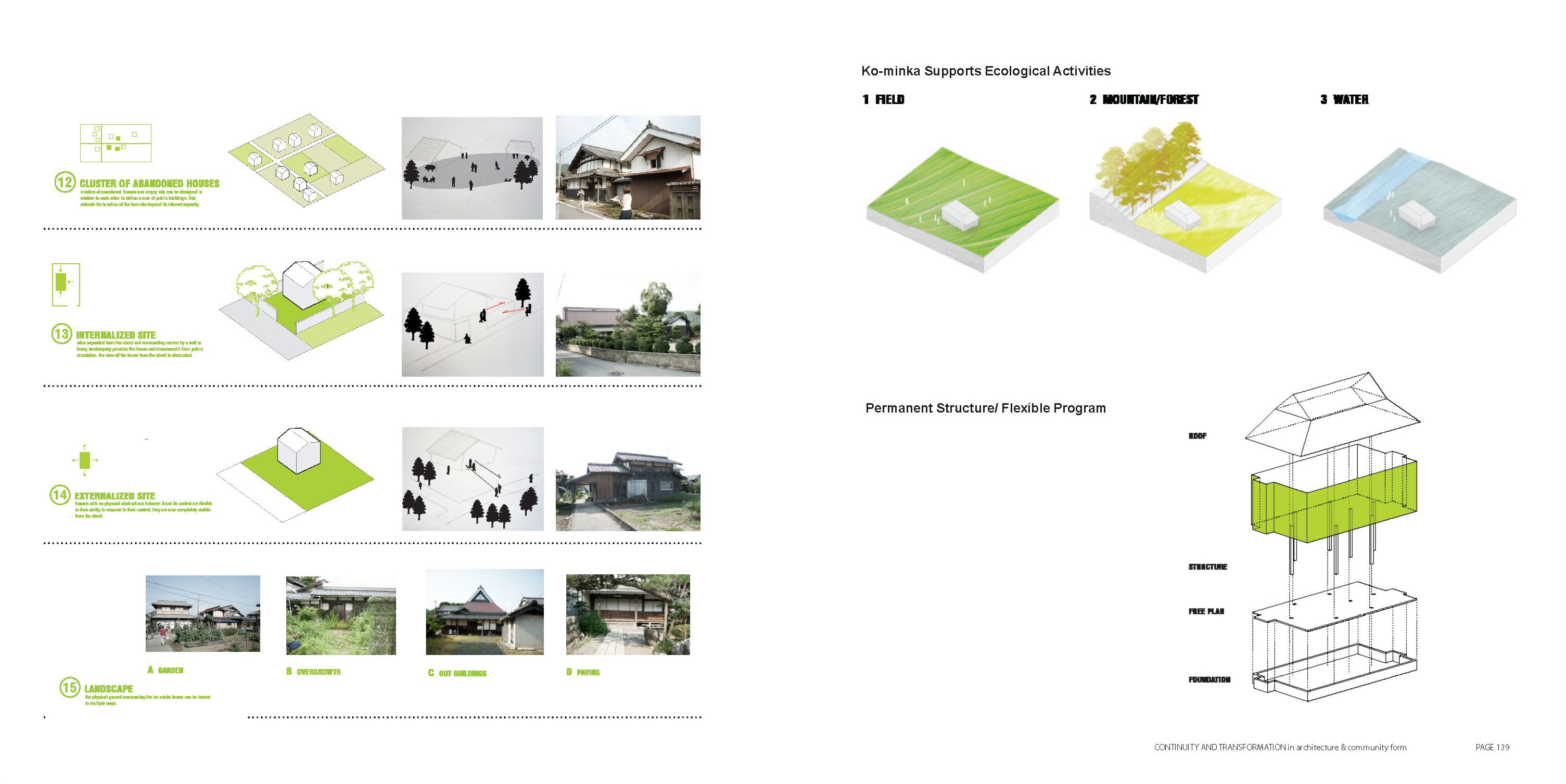
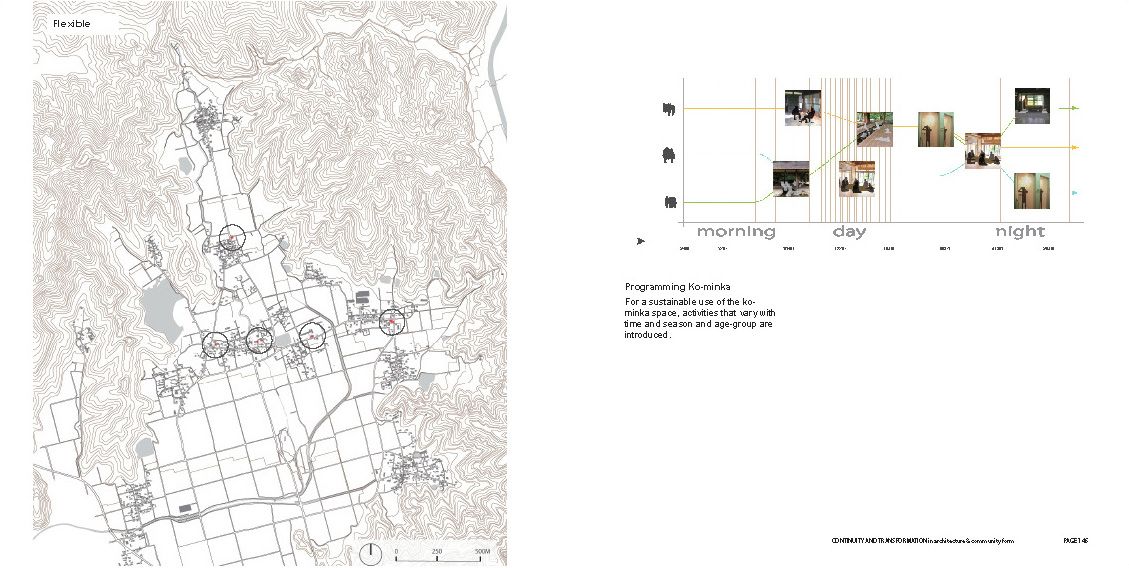
Project: New Life for Kominka

Joseph O'Connor, Rei Koizumi, Sayuha Nagawa, Yuying Shang, Saya Suzuki, Naoyuki Sasaki

Mitigating urban-rural migration through a programming and potential re-uses of the Ko-Minka building typology.

Scroll right >
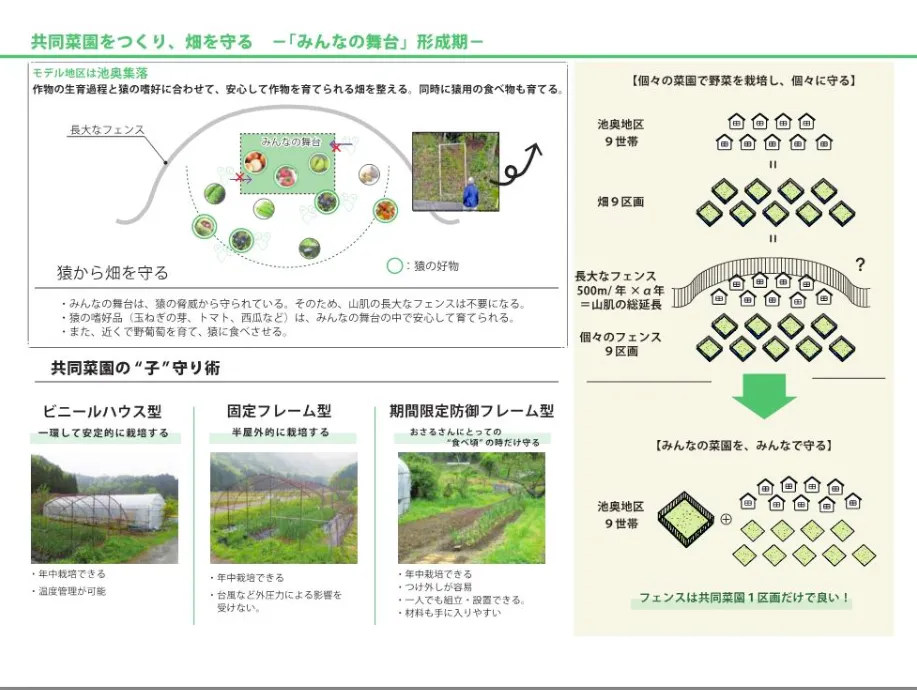
Project: Everybody's Monkey Business

田根集落の猿戦略

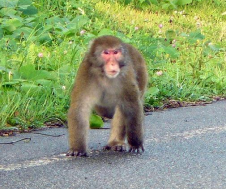
Monkeys and wild-boars, both native to the region, are descending from the mountains and “invading” the diminishing and aging population of the villages.

Scroll right >

The thirteen villages of Tane in Shiga Prefecture represent the traditional typology of the Satoyama: the mountain-valley-village-field settlement pattern seen throughout rural regions of Japan. This morphological community form has long been a sustainable collective structure in human habits harmoniously co-existing with nature. Today, however, a critical transformation is taking place. Monkeys and wild-boars, both native to the region, are descending from the mountains and “invading” the diminishing and aging population of the villages.

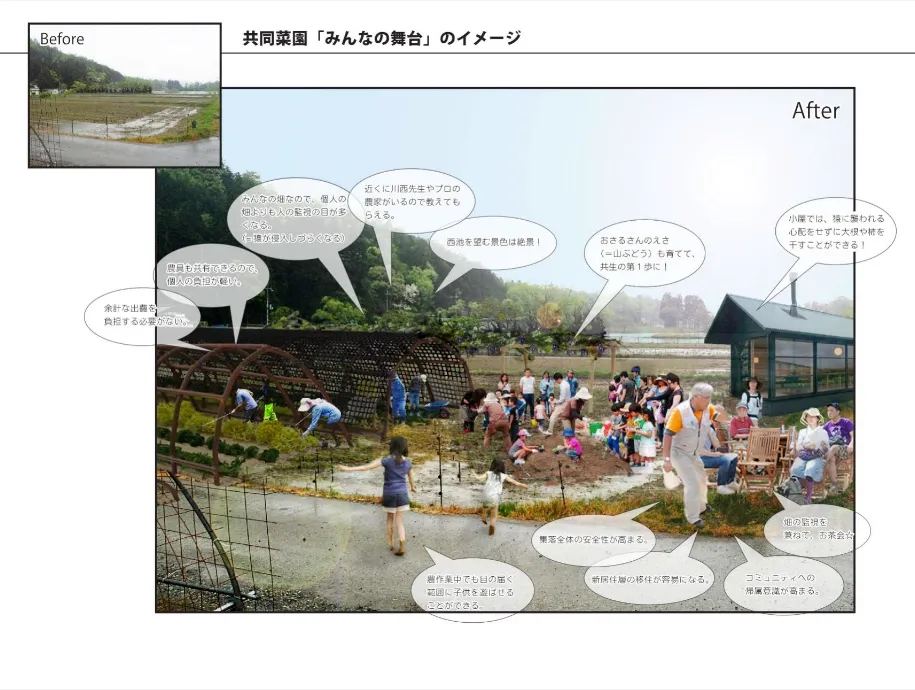
Perhaps the next time after many years, a JDW alumnus visits Tane, one can witness the monkeys having their feast on one side, and people nibbling the sweet berries and grapes on their side - the Continuation and Transfomation of Satoyama.

Scroll right >

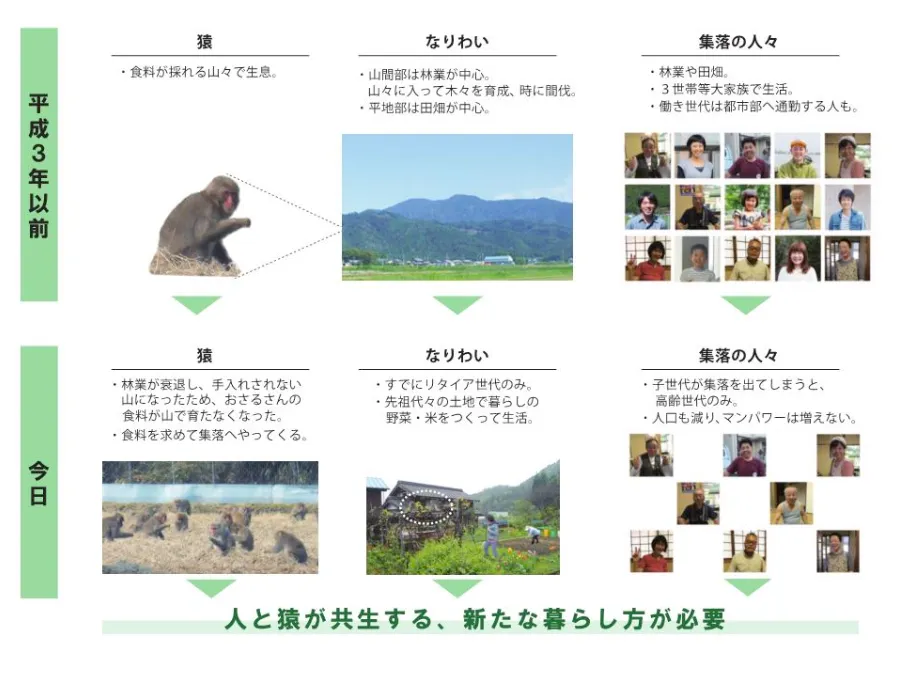
The 2016 JDW MIT team focused on the chronic problems posed by Monkeys descending from the surrounding hillsides. Villagers had always maintained a small area for growing crops for their domestic consumption. In the past decades, indigenous monkeys were faced with their dwindling food source in their mountain habitat. At the same time, depopulation accelerated in Tane's farming communities, the monkey population began to outnumber the villagers. Which in turn empowered the monkeys to invade the aging residents's vegetable fields. Solutions were sought to confront this rampant problem, of the "old people" vs. smart, agile monkeys. Wildlife protection precluded poisoning and killing, barking dogs were too intimated to chase them, large-scale fencing did not work.

With one of the final workshop sojourns in Tane by JDW, brainstorming with the villagers resulted in a potential solution for the community.

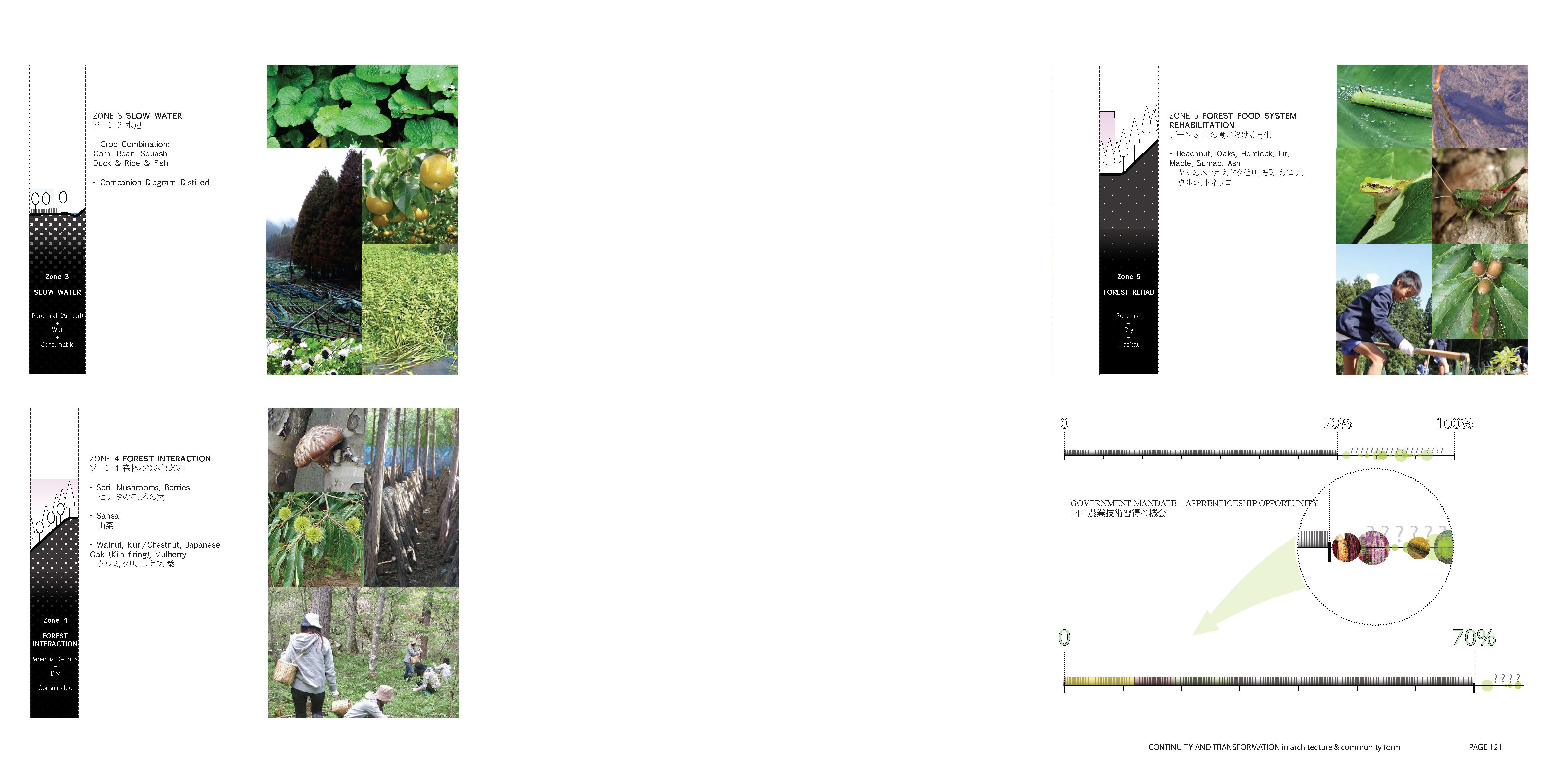
One, provide alternate food source which the monkeys love. Particularly berries and grapes. Once consumed, their seed droppings would propagate and establish more fruit trees effectively creating a barrier-zone.

Two, locate them strategically at the foothills, between their mountain habitat and the farmers' field of crops. Location of such fruit-bearing linear orchards is key, requiring good planning by all.

Three, this is a defensive strategy, and a win-win proposition for both sides. If it works... but certainly should be tried.

Perhaps the next time after many years, a JDW alumnus visits Tane, one can witness the monkeys having their feast on one side, and people nibbling the sweet berries and grapes on their side - the Continuation and Transfomation of Satoyama.

Tane Participants by Year

2008

  • Ekachai Patamasattayasonthi MArch
  • Lisa Pauli MArch
  • Robin Willis MArch
  • Leslie Lok MArch
  • Haruka Horiuchi MArch
  • Rachel Gealy MArch
  • Keio University Collaborator
  • Waseda University Collaborator
  • Kyoto Zokei U.Art & Design Collaborator

2009

  • Stephen Form MArch
  • Mishayla Greist MArch
  • Sarah Hirshman MArch
  • Ian Kaminski-Coughlin MArch
  • Curtis Roth MArch
  • Ann Woods MArch
  • Sasa Zivkovic MArch
  • Keio University Collaborator
  • Kyoto Zokei U.Art & Design Collaborator

2010

  • Danielle C. Brown MArch
  • Adam Galletly MArch
  • Joseph M. O’Connor MArch
  • Runo Okiomah MArch
  • Travis Sheehan MArch/MCP Ira Winder BSAD
  • Adele Phillips MArch ‘09
  • Saya Suzuki KeioU SFC

2011

  • Matt Bunza MArch
  • Florence Guirard MArch
  • Yihyun Lim MArch
  • Yushiro Okamoto MArch
  • Hung Fai Tang MArch
  • Adele Phillips MArch ’09
  • Yuto Shiozaki U.Tokyo Ph.D
  • Anita Heredia U.of Barcelona
  • Ira Winder BSAD ‘10
  • Saya Suzuki, SA KeioU ‘10
  • Emily Lo, TA MArch
  • Jegan Vincent de Paul, Collaborator MIT ACT
  • Duncan Kincaid, Collaborator MArch ‘97
  • Prof.JamesWescoat, Instructor MIT SA+P
  • Miyagi University Collaborator
  • Keio University Collaborator

2012

2013

2014

Next Book:

Oshio 大塩的形